🪷 Buddhistdoor Quote for Today: Bodhidharma (fl. c. 5th–6th century CE) 🪷
🔗 Go deeper: buddhistdoor.net
#Buddhism #Buddha #Dharma #Mahayana #Zen #Chan #Buddhist #Wisdom #Mindfulness #Meditation #Awakening #Spirituality #NonAttachment

See tagged statuses in the local bookrastinating.com community
🪷 Buddhistdoor Quote for Today: Bodhidharma (fl. c. 5th–6th century CE) 🪷
🔗 Go deeper: buddhistdoor.net
#Buddhism #Buddha #Dharma #Mahayana #Zen #Chan #Buddhist #Wisdom #Mindfulness #Meditation #Awakening #Spirituality #NonAttachment
🌱 Today’s #DailySutta:
SN 6.13 Andhakavindasutta: At Andhakavinda
“There meditates a mendicant, free of goosebumps.…”
Read the sutta
📖 https://daily.readingfaithfully.org/sn-6-13-andhakavindasutta-at-andhakavinda-2/?=MDS
Get these by email
✉ https://daily.readingfaithfully.org?=MSUDS
#brahmas #meditation #Sangha #SamyuttaNikaya #Theravada #PaliCanon #RealBuddhaQuotes #Suttas #Dhamma #Buddhism #Buddha

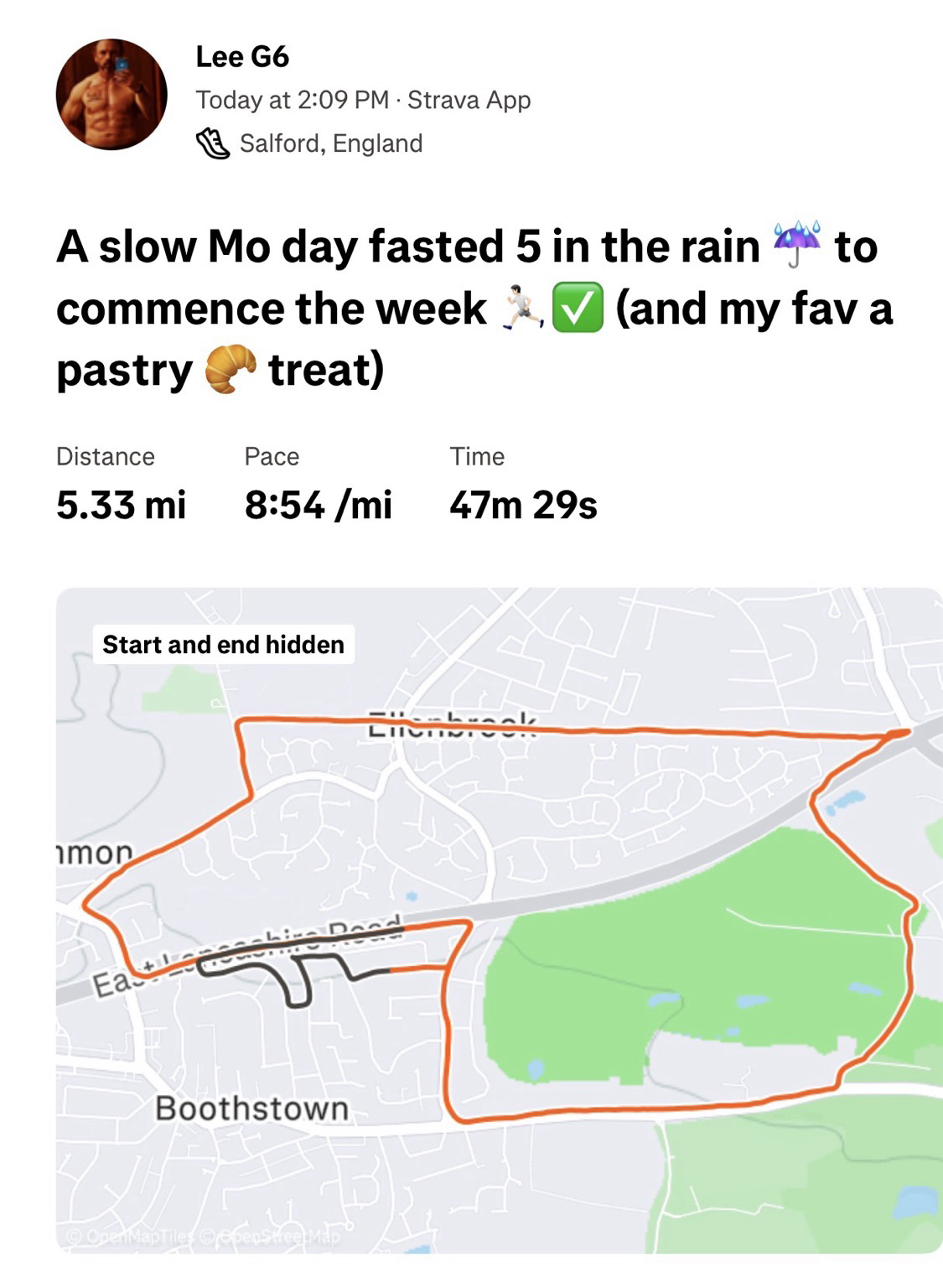
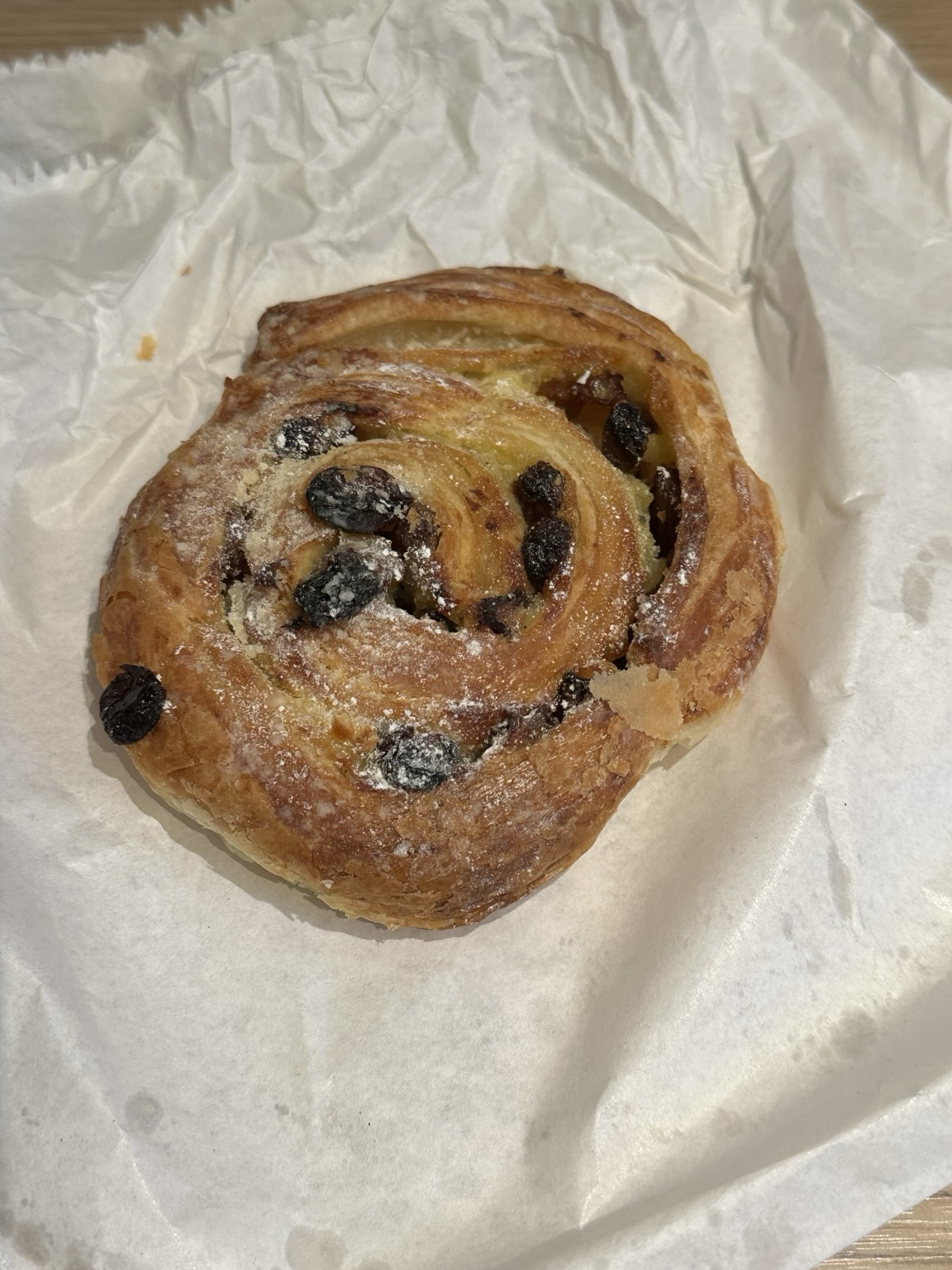
A wet fasted slow Monday 5 ☔️ 🏃🏻✅ (a lovely pastry 🥐 time) #Running #runnersofmastodon #RunningCommunity #Health #fitness #workout #rain #Winter #december #Monday #Music #Christmas #fasting #mentalhealth #meditation #yoga #mindfulness #cake #pastry

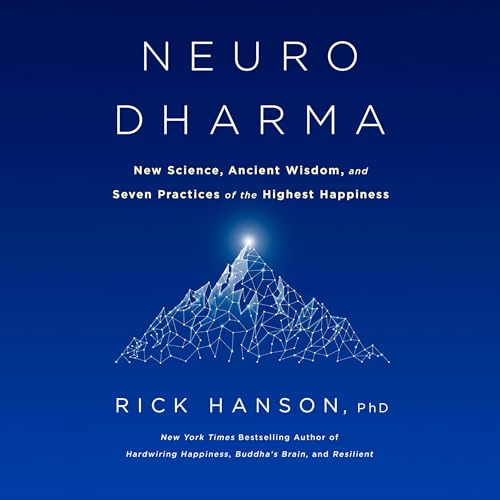
Throughout history, people have sought the heights of human potential—to become as wise and strong, …
Starts off really well with a good "come and see" tone. The introduction includes a powerful #meditation and #reflection on letting be, letting go, letting in. Maybe it's just the mind-state I'm in today, but it seems like Rick has gotten even more skilled at reading his own work.
Starts off really well with a good "come and see" tone. The introduction includes a powerful #meditation and #reflection on letting be, letting go, letting in. Maybe it's just the mind-state I'm in today, but it seems like Rick has gotten even more skilled at reading his own work.

In the face of systemic racism and state-sanctioned violence, how can we metabolize our anger …
It's hard to know what to write about this one.
On the one hand, I experience much of Lama Rod's teaching in this book as brilliantly creative. The meditation instructions are well-systematized and I found the guidance helpful, especially for the #7homecomings, #tonglen, and #EarthTouching / #bhūmisparśa practices. I also deeply appreciated his acknowledgement of the issues present in the #Tibetan #Buddhist tradition and his way of relating to flawed teachers in a system vulnerable to abuse of power was valuable for me. The way he addresses #racism, #whitesupremacy, #queerphobia, #patriarchy and other forms of #discrimination or #opression reminded me favorably of Sebene Selassie's You Belong.
On the other, having now listened to it in its entirety, it seems like the book might have put together in a piecemeal sort of way. I get the impression that this might have …
It's hard to know what to write about this one.
On the one hand, I experience much of Lama Rod's teaching in this book as brilliantly creative. The meditation instructions are well-systematized and I found the guidance helpful, especially for the #7homecomings, #tonglen, and #EarthTouching / #bhūmisparśa practices. I also deeply appreciated his acknowledgement of the issues present in the #Tibetan #Buddhist tradition and his way of relating to flawed teachers in a system vulnerable to abuse of power was valuable for me. The way he addresses #racism, #whitesupremacy, #queerphobia, #patriarchy and other forms of #discrimination or #opression reminded me favorably of Sebene Selassie's You Belong.
On the other, having now listened to it in its entirety, it seems like the book might have put together in a piecemeal sort of way. I get the impression that this might have been intentional or seen as unproblematic as a way to enhance the sense of authenticity. I listened to the audio version, and while the inclusion of the original audio for the interviews was a nice touch, it felt a lot like recycling content to me—I think I would have preferred a more edited final version with links to the originals for anyone who wanted to dig deeper.
On the whole, it was well worth the time I spent with it. I feel like I've learned quite a bit. If anyone is reading this and trying to decide between the print & audio versions, I would guess that the print version might be a bit easier to use, especially if one intends to refer frequently to the instructions for #meditation and #reflection.
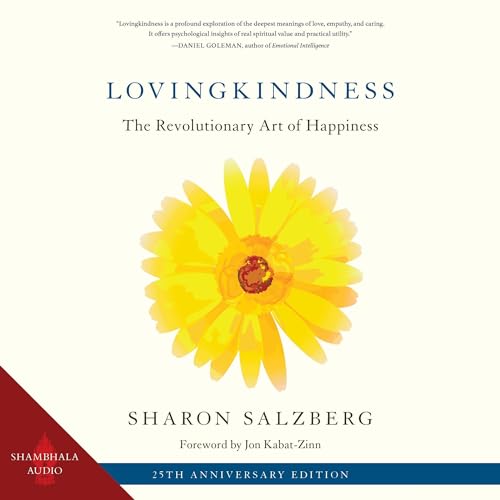
Throughout our lives we long to love ourselves more deeply and find a greater sense …
It's a really good manual of brahmavihārā practice as it is taught in the tradition of the Insight Meditation Society. It covers everything one would want to start a practice and it's plenty deep enough for experience practitioners looking for a refresher. The four sublime abidings are complemented well by two chapters on #generosity (#dāna) and #morality (#sīla), so in a sense it's a bit like going backwards through the ten #pāramī
#brahmavihārā #IMS #meditation #lovingkindness #mettā #compassion #karuṇā #sympatheticjoy #muditā #equanimity #upekkhā
It's a really good manual of brahmavihārā practice as it is taught in the tradition of the Insight Meditation Society. It covers everything one would want to start a practice and it's plenty deep enough for experience practitioners looking for a refresher. The four sublime abidings are complemented well by two chapters on #generosity (#dāna) and #morality (#sīla), so in a sense it's a bit like going backwards through the ten #pāramī
#brahmavihārā #IMS #meditation #lovingkindness #mettā #compassion #karuṇā #sympatheticjoy #muditā #equanimity #upekkhā
Buddhistdoor Quote for Today: Jon Kabat-Zinn
🔗 Explore more at BDG: buddhistdoor.net
#Buddhism #Buddha #Dharma #Vipassana #Zen #MBSR #Compassion #Mindfulness #Meditation #Liberation #Wisdom #Awakening #Spirituality
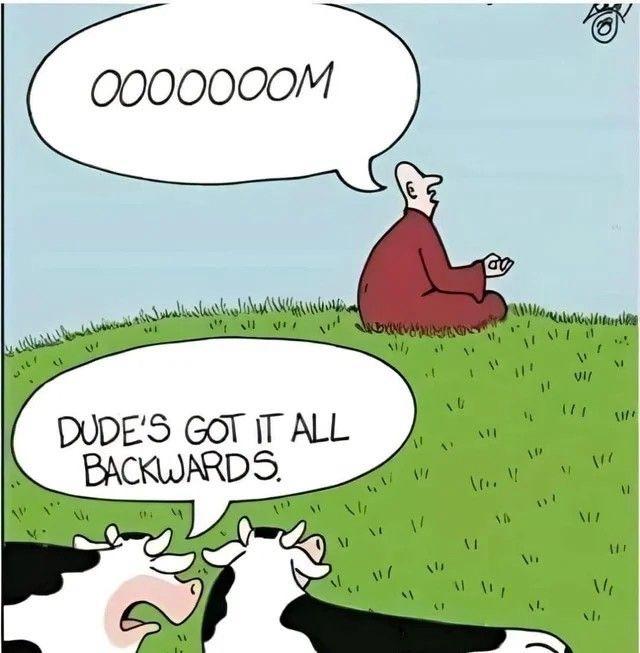
Cows are deeply insightful.
Stuck scrolling? Try this:
Look away from the screen you are reading this on. Look around your environment and locate the farthest point away from you, look at that space and breathe, inhale and exhale three times.
Look back to the screen, did you miss anything while looking away? Look again to the farthest point away from you. Breathe for 3 breaths again.
Is there anything else you want to do NOW?
#trythis #1minutemeditation #oneminute #meditation #mindfulness #breathe #look #stuckscrolling
RIVER (1996)
Oil on Canvas - 48" x 36"
In my personal work, the red glass heart is a symbol for the immediate and/or material possessions. In contrast to GLIMPSE, the first painting I invoked the symbol, the figure has her back to the heart and is contemplating life after death. 1/2

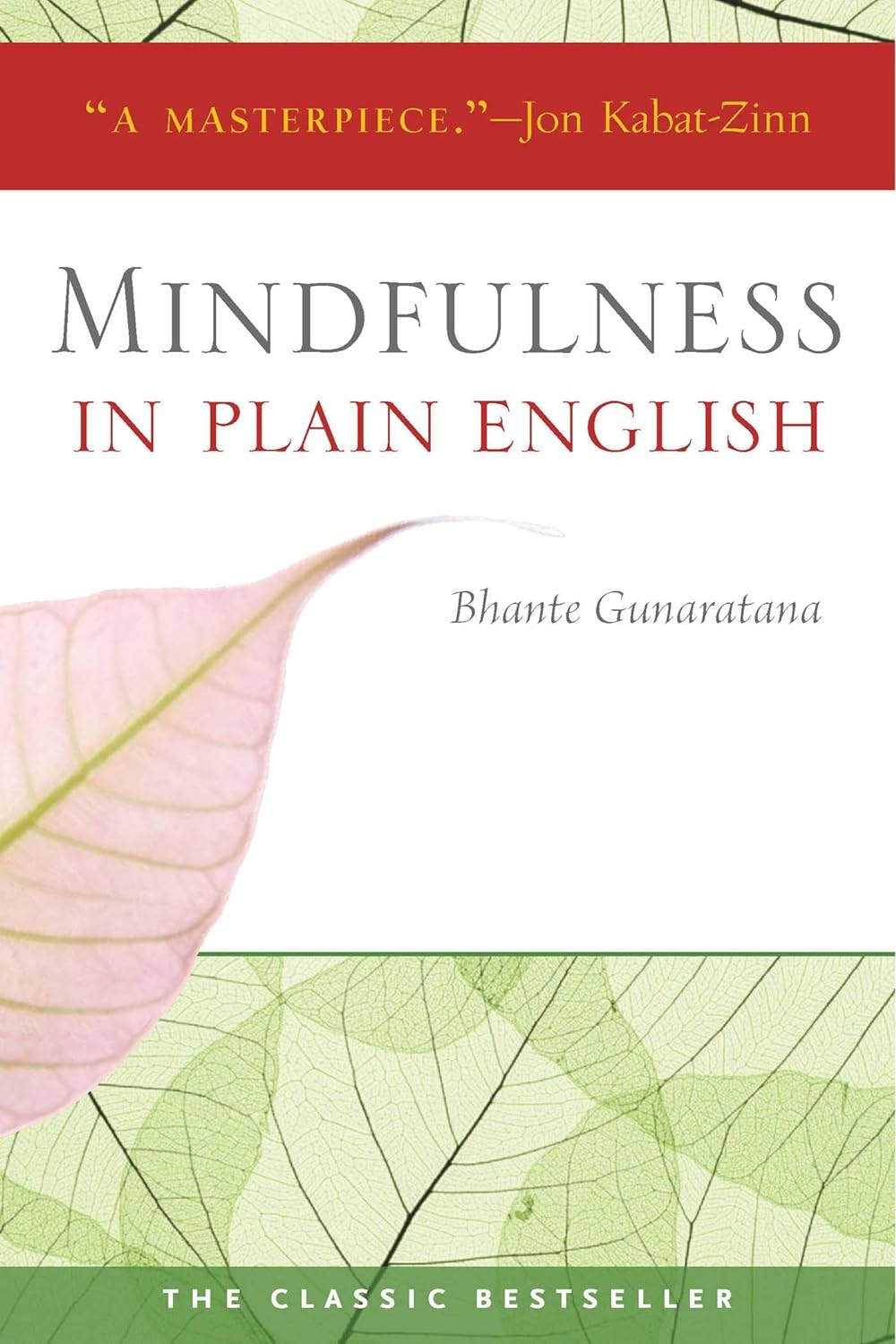
Mindfulness in Plain English was first published in 1994, is one of the bestselling — …
A common refrain I have heard from several #meditation teachers is that it is good periodically to return to basic instructions for the dual reason that it tends to correct any unskillful patterns which have emerged and that the questions that arise as a result of one's own meditation practice aid in learning and allow the practitioner to absorb more from the same or similar material. This advice has definitely held true as I read this book for the second time (this time with my ears via the recorded voice of Edoardo Ballerini).
I read Mindfulness in Plain English for the first time nearly 20 years ago, and even though the basic contents of the book were familiar to me on this second read-through, nearly the whole book struck me as remarkably fresh. The introduction alone opens with wonderful force, directly addressing the #unsatisfactoriness which is likely familiar to …
A common refrain I have heard from several #meditation teachers is that it is good periodically to return to basic instructions for the dual reason that it tends to correct any unskillful patterns which have emerged and that the questions that arise as a result of one's own meditation practice aid in learning and allow the practitioner to absorb more from the same or similar material. This advice has definitely held true as I read this book for the second time (this time with my ears via the recorded voice of Edoardo Ballerini).
I read Mindfulness in Plain English for the first time nearly 20 years ago, and even though the basic contents of the book were familiar to me on this second read-through, nearly the whole book struck me as remarkably fresh. The introduction alone opens with wonderful force, directly addressing the #unsatisfactoriness which is likely familiar to anyone who comes into contact with the the book, and has the dual ability not only to convince (or at least intrigue) those new to meditation that it might be a worthwhile endeavor, but also to imbue experienced #meditators with a renewed sense of purpose and urgency.
On my way through this book, I found myself wishing that I had returned to it before now, as it addresses many of the challenges I have faced and currently am facing in such a clear and understanding manner that I was able to apply the advice immediately. Indeed, looking back on my years of meditation experience, I realize that the guidance in this book would have been enough to address the majority of the challenges I've faced over the years.
The one possible weakness I could find in this book is the strong emphasis to place the attention on the breath at the nostrils and nowhere else, which I have indeed found to be one excellent place for the attention. However useful following the breath at the nostrils is, it is not the only place the breath can be followed at a relatively small, fixed point, and for some, this may be unhelpfully inflexible, while for others the inflexibility of the suggestion may be a helpful simplification of the abundance of options which are available when beginning a meditation practice. The good news is that this weakness is counterbalanced by Bhante Gunaratana's clarity that these are instructions based on one very specific tradition, and, in this newer addition, the new afterword giving an introduction to loving friendliness or metta, which itself is also an excellent practice and gateway for anyone wishing to start a meditation practice.
Overall, I am pleased that I took the time with this book again and now understand why it has acquired the status of a classic among meditation manuals: it is brief, yet comprehensive and contains everything one needs to start or reinvigorate a practice of insight meditation.
#mindfulness #meditation #metta #BhanteG #BhanteGunaratana #HenepolaGunaratana #vipassana #insightmeditation #breath #breathing #breathmeditation #anapanasati #meditationmanual #meditationmanuals #Buddhism
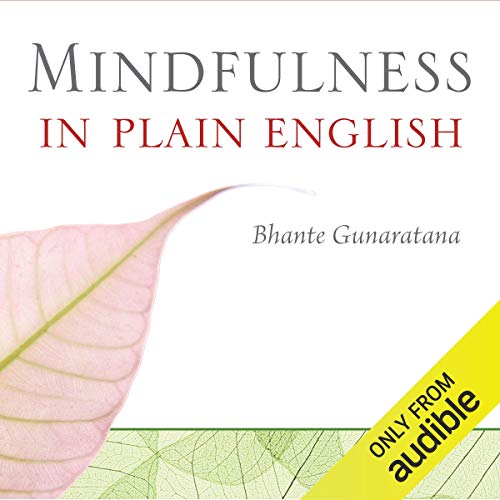
With over a quarter of a million copies sold, Mindfulness in Plain English is one …
Meditating your way through the ups and downs of daily life is the whole point of vipassana. This kind of practice is extremely rigorous and demanding, but it engenders a state of mental flexibility that is beyond comparison. A meditator keeps his mind open every second. He is constantly investigating life, inspecting his own experience, viewing existence in a detached and inquisitive way. Thus, he is constantly open to truth in any form, from any source, and at any time. This is the state of mind you need for liberation.
It is said that one may attain enlightenment at any moment if the mind is kept in a state of meditative readiness. The tiniest, most ordinary perception can be the stimulus: a view of the moon, the cry of a bird, the sound of the wind in the trees. It’s not so important what is perceived as the way in which you attend to that perception. That state of open readiness is essential. It could happen to you right now if you are ready. The tactile sensation of this book in your fingers could be the cue. The sound of these words in your head might be enough. You could attain enlightenment right now, if you are ready.
What a wake-up call!
#mindfulness #enlightenment #awakening #awareness #meditation #Buddhism #vipassana #perception #attention
In tonight's #meditation I'm reminded that for me it's about participating in *the way experience works.* Having special mystical moments (I've had a few) or becoming an ethical saint (still working on that 🙂) — those I find to be less the goals of meditation than they are *results.* They're results of actually appreciating how experience works.
Put another way:
Seeing more clearly what's going on, it's easy to fall in love with living being ... and, then, to live as a loving being.
In tonight's #meditation I'm reminded that for me it's about participating in *the way experience works.* Having special mystical moments (I've had a few) or becoming an ethical saint (still working on that 🙂) — those I find to be less the goals of meditation than they are *results.* They're results of actually appreciating how experience works.
Put another way:
Seeing more clearly what's going on, it's easy to fall in love with living being ... and, then, to live as a loving being.
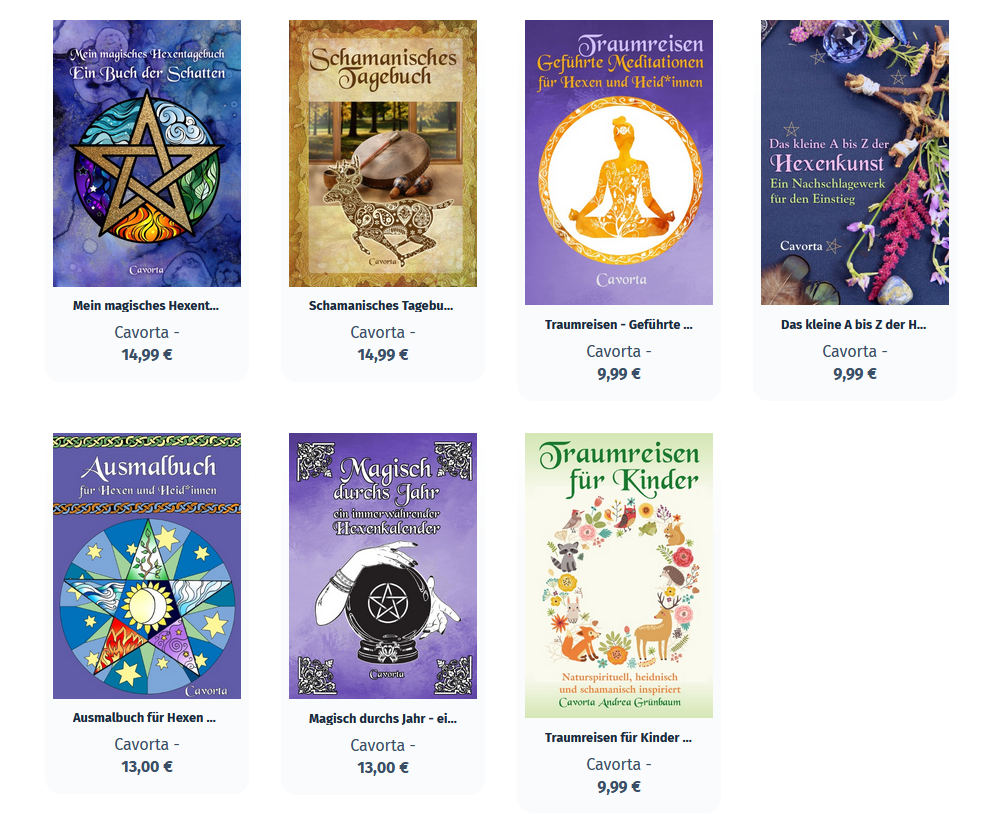
Im Laufe der letzten Jahre habe ich einige Bücher veröffentlicht, die sich mit #Hexen #Hexenkunst und #Heidentum / #Paganismus beschäftigen. Auch mit dabei: zwei Bücher mit geführter #Meditation, zwei verschiedene für eigene Eintragungen sowie ein #Ausmalbuch.
Mehr Details über die #Bücher gibt es hier:
https://cavorta.substack.com/p/meine-veroffentlichungen-uber-hexenkunst
Bzw. hier im Buchshop:
https://www.epubli.com/autoren/cavorta-32548
In this beautifully written book, Buddhist monk and Nobel Peace Prize nominee Thích Nhất Hạnh …
I've read from others that they consider Thích Nhất Hạnh's The Miracle of Mindfulness to be useful only to beginning meditators, but I think it is so much more than that. Especially with the context given in translator Mobi Ho's introduction that the book was originally written as a long letter, and then having read the book myself as someone who has been meditating for years, it is clear to me that the book is equally valuable or perhaps even more valuable as an inspiring reminder to practice and how practice can be done.
Beyond the main text of the letter, I was impressed by the list of practices and the selection of suttas/sutras at the end. I have read very few manuals of meditation which left with the feeling that they were enough to cultivate a practice, but this one is written and put together in such a …
I've read from others that they consider Thích Nhất Hạnh's The Miracle of Mindfulness to be useful only to beginning meditators, but I think it is so much more than that. Especially with the context given in translator Mobi Ho's introduction that the book was originally written as a long letter, and then having read the book myself as someone who has been meditating for years, it is clear to me that the book is equally valuable or perhaps even more valuable as an inspiring reminder to practice and how practice can be done.
Beyond the main text of the letter, I was impressed by the list of practices and the selection of suttas/sutras at the end. I have read very few manuals of meditation which left with the feeling that they were enough to cultivate a practice, but this one is written and put together in such a way that I would be confident recommending it as an excellent candidate for the category of "if you read only one book on the subject of meditation, read this one."
#meditation #mindfulness #PlumVillage #interbeing #peace #ThichNhatHanh #Buddhism #Zen #engagedBuddhism