A Review of the Effects of Abacus Training on Cognitive Functions and Neural Systems in Humans
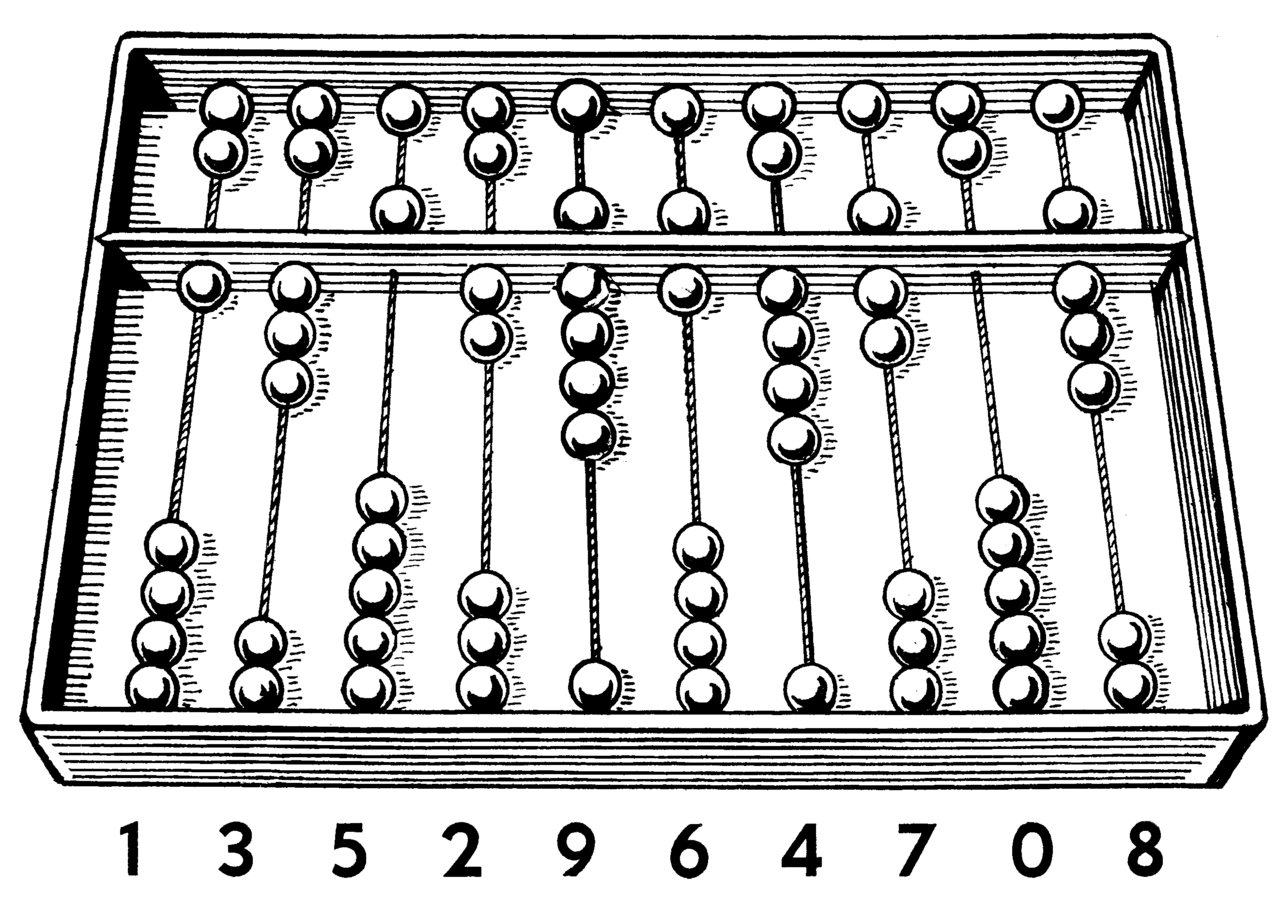
Our review of the existing literature suggests that abacus-based mental calculation (AMC) training has the potential to enhance various cognitive skills including mathematics, working memory and numerical magnitude processing. via @openculture
A Review of the Effects of Abacus Training on Cognitive Functions and Neural Systems in Humans
Our review of the existing literature suggests that abacus-based mental calculation (AMC) training has the potential to enhance various cognitive skills including mathematics, working memory and numerical magnitude processing. via @openculture
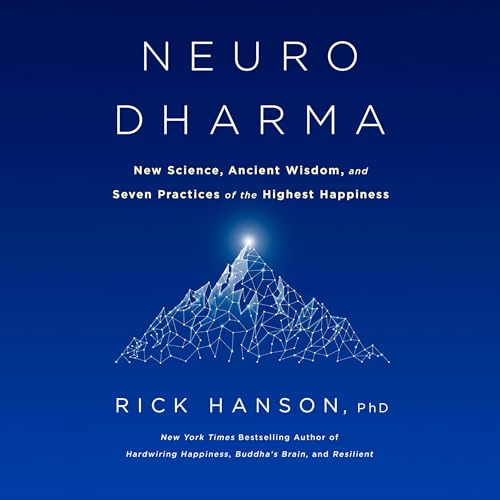
Throughout history, people have sought the heights of human potential—to become as wise and strong, …
Starts off really well with a good "come and see" tone. The introduction includes a powerful #meditation and #reflection on letting be, letting go, letting in. Maybe it's just the mind-state I'm in today, but it seems like Rick has gotten even more skilled at reading his own work.
Starts off really well with a good "come and see" tone. The introduction includes a powerful #meditation and #reflection on letting be, letting go, letting in. Maybe it's just the mind-state I'm in today, but it seems like Rick has gotten even more skilled at reading his own work.
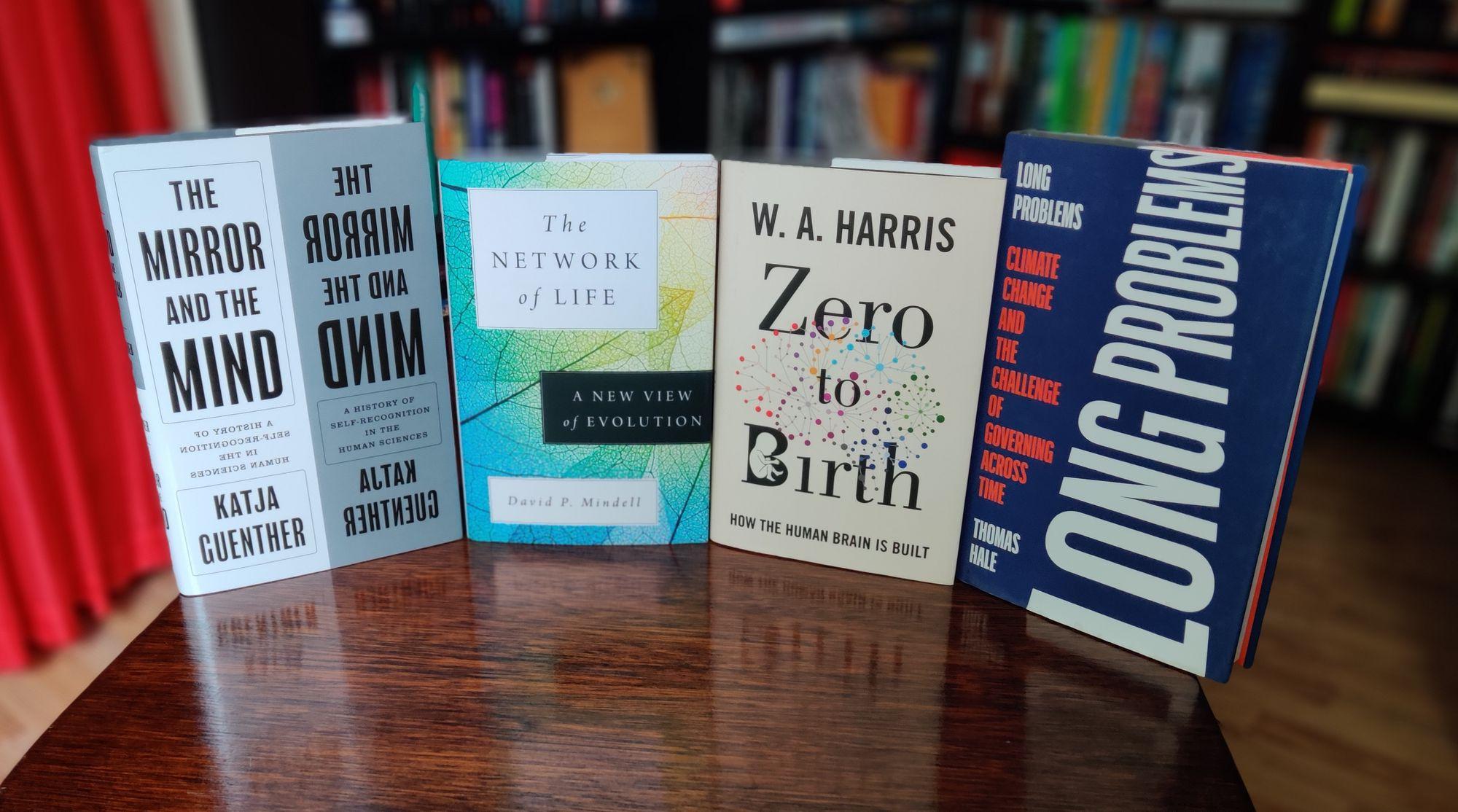
This week's #NewBooks at the library: @princetonupress has a 70% off sale at the moment! I bagged myself four fascinating books: - The Mirror and the Mind: A History of Self-Recognition in the Human Sciences - The Network of Life: A New View of #Evolution - Zero to Birth: How the Human Brain Is Built - Long Problems: Climate Change and the Challenge of Governing across Time
This week's #NewBooks at the library: @princetonupress has a 70% off sale at the moment! I bagged myself four fascinating books: - The Mirror and the Mind: A History of Self-Recognition in the Human Sciences - The Network of Life: A New View of #Evolution - Zero to Birth: How the Human Brain Is Built - Long Problems: Climate Change and the Challenge of Governing across Time
Hey Fedi, I need some help. Lately, I’ve been facing some tough challenges in my job search and despite all my efforts, I haven’t been able to land something sustainable yet.
I’m looking for jobs either locally in Berlin (Germany) or remotely.
So far, I’ve been focused on data science roles, because that’s where the hard skills from my PhD would fit, but I’m open to exploring other opportunities, particularly as a medical science liaison or scientific writer.
If you know of any permanent or freelance opportunities, please let me know. Thanks a lot!
Hey Fedi, I need some help. Lately, I’ve been facing some tough challenges in my job search and despite all my efforts, I haven’t been able to land something sustainable yet.
I’m looking for jobs either locally in Berlin (Germany) or remotely.
So far, I’ve been focused on data science roles, because that’s where the hard skills from my PhD would fit, but I’m open to exploring other opportunities, particularly as a medical science liaison or scientific writer.
If you know of any permanent or freelance opportunities, please let me know. Thanks a lot!
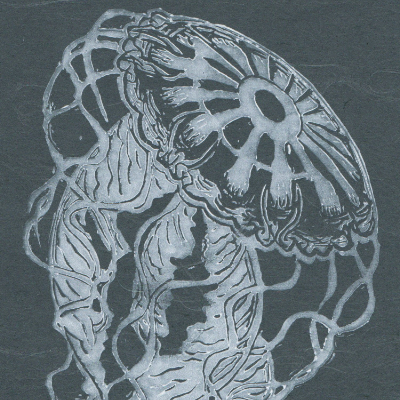
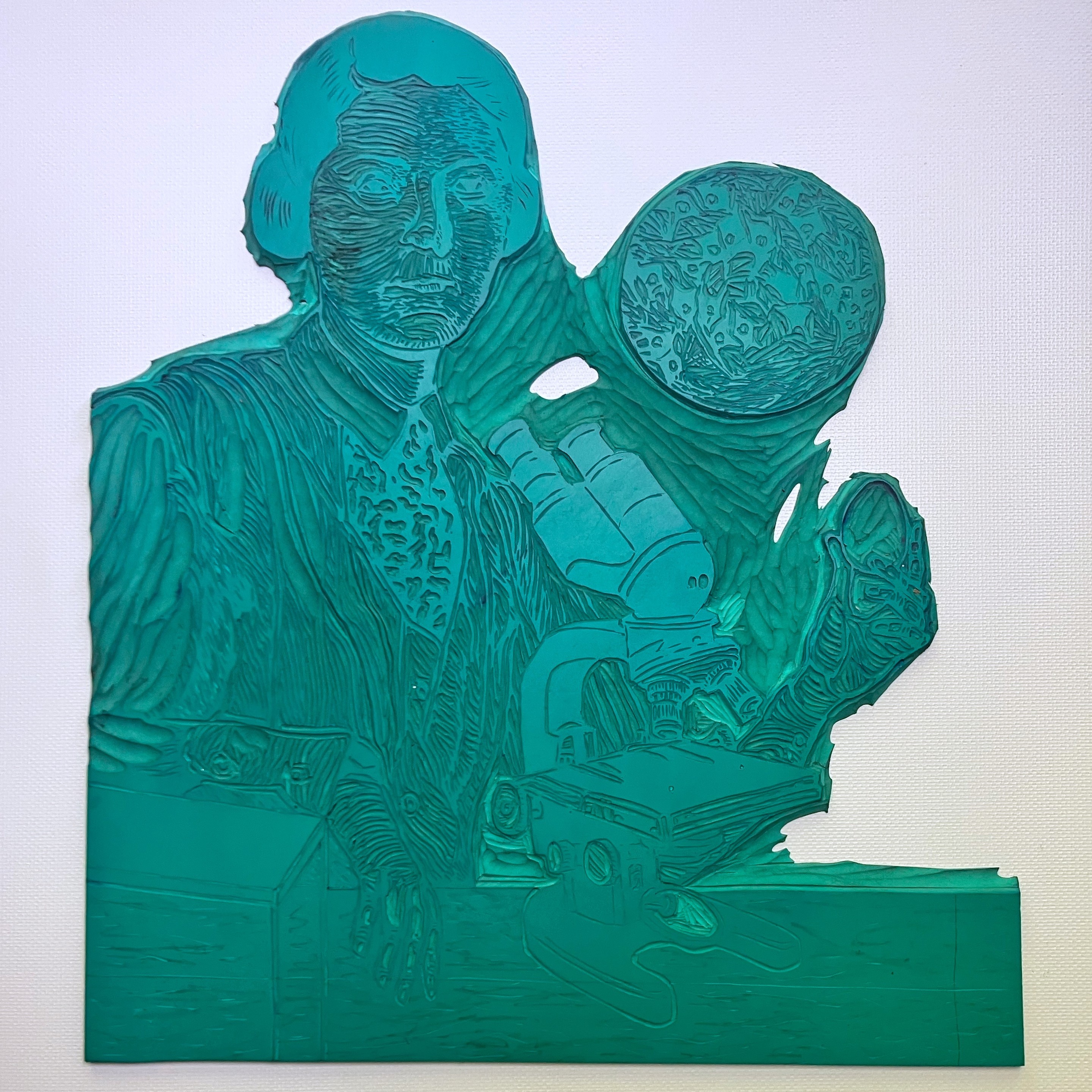
New scientist portrait block! Neuroscientist Rita Levi-Montalcini (1909-2012) has long been on my radar for a portrait, being so well-known for many years, the oldest surviving Nobel laureate. Pictures abound online of her apparently living her best life, with a knowing smile & signature swirled updo, often with a glass of wine in hand into her 90s & beyond. I had imagined a fun portrait of this delightful, 🧵
As a non-native English speaker from a not-so-popular language group, learning to read even casual science stuff was an uphill battle. First I had to learn English to a reasonable level. Then I realized that English-Romanian dictionaries hadn’t really kept up with science.
I eventually managed to get my hands on a fancy English-only dictionary (yes, a printed one, this was a while ago), but then I ran into another problem: I'd start from one definition, only to find another unfamiliar word in the explanation, then another one in that definition and so on, until I forgot where I had started. And even when I did understand a concept, I'd often be stuck with the English word and with a lot of frustration about trying to convey that in my own language.
Some of those struggles are outdated now. At least you no longer have to deal with …
As a non-native English speaker from a not-so-popular language group, learning to read even casual science stuff was an uphill battle. First I had to learn English to a reasonable level. Then I realized that English-Romanian dictionaries hadn’t really kept up with science.
I eventually managed to get my hands on a fancy English-only dictionary (yes, a printed one, this was a while ago), but then I ran into another problem: I'd start from one definition, only to find another unfamiliar word in the explanation, then another one in that definition and so on, until I forgot where I had started. And even when I did understand a concept, I'd often be stuck with the English word and with a lot of frustration about trying to convey that in my own language.
Some of those struggles are outdated now. At least you no longer have to deal with a giant dictionary pressing into your ribs if you’re reading lying down. But the language gap in science communication still exists.
That’s why I’m launching a community project: The brain across languages.
We’re inviting students who speak more than one language to help us translate Neurofrontiers content into as many languages as possible.
@marcaurele@bookrastinating.com Un livre que je recommande fortement à ceux qui s'intéresse sur notre psyché en tant qu'humain pour défaire beaucoup de croyance et rester humble sur ce élément de notre corps très mystérieux.
@marcaurele@bookrastinating.com Un livre que je recommande fortement à ceux qui s'intéresse sur notre psyché en tant qu'humain pour défaire beaucoup de croyance et rester humble sur ce élément de notre corps très mystérieux.


![17th-century representation of consciousness by Robert Fludd, an English Paracelsian physician
Robert Fludd - Utriusque cosmi maioris scilicet et minoris […] historia, tomus II (1619), tractatus I, sectio I, liber X, De triplici animae in corpore visione
This is an early modern representation of consciousness and perception, showing how the mind processes information from the senses and connects with both the physical and spiritual realms:
The human profile: Represents the individual person as the microcosm
Circles emanating from the head: Different faculties of the mind and soul
"Mundus sensibilis" (Sensible/Physical World) - the realm of the senses
"Mundus Intellectualis" (Intellectual World) - the realm of reason and understanding
Various spheres labeled with Latin terms for different mental faculties
"Terra" (Earth) appears in multiple circles, showing levels of understanding
Top section: "Mundus Intellectualis" with "DEUS" (God) at the center, surrounded by angels and spiritual hierarchies
The eye: Representing vision and perception
Connections: Lines showing how sensory information flows from the physical world through the senses to higher understanding
https://en.wikipedia.org/wiki/Consciousness#/media/File:RobertFuddBewusstsein17Jh.png](https://pub-1146fd6c5b9443ce8a2adde617e7847d.r2.dev/images/status/1a3083f1-4889-459d-b890-082d6368a086.png "17th-century representation of consciousness by Robert Fludd, an English Paracelsian physician
Robert Fludd - Utriusque cosmi maioris scilicet et minoris […] historia, tomus II (1619), tractatus I, sectio I, liber X, De triplici animae in corpore visione
This is an early modern representation of consciousness and perception, showing how the mind processes information from the senses and connects with both the physical and spiritual realms:
The human profile: Represents the individual person as the microcosm
Circles emanating from the head: Different faculties of the mind and soul
\"Mundus sensibilis\" (Sensible/Physical World) - the realm of the senses
\"Mundus Intellectualis\" (Intellectual World) - the realm of reason and understanding
Various spheres labeled with Latin terms for different mental faculties
\"Terra\" (Earth) appears in multiple circles, showing levels of understanding
Top section: \"Mundus Intellectualis\" with \"DEUS\" (God) at the center, surrounded by angels and spiritual hierarchies
The eye: Representing vision and perception
Connections: Lines showing how sensory information flows from the physical world through the senses to higher understanding
https://en.wikipedia.org/wiki/Consciousness#/media/File:RobertFuddBewusstsein17Jh.png")