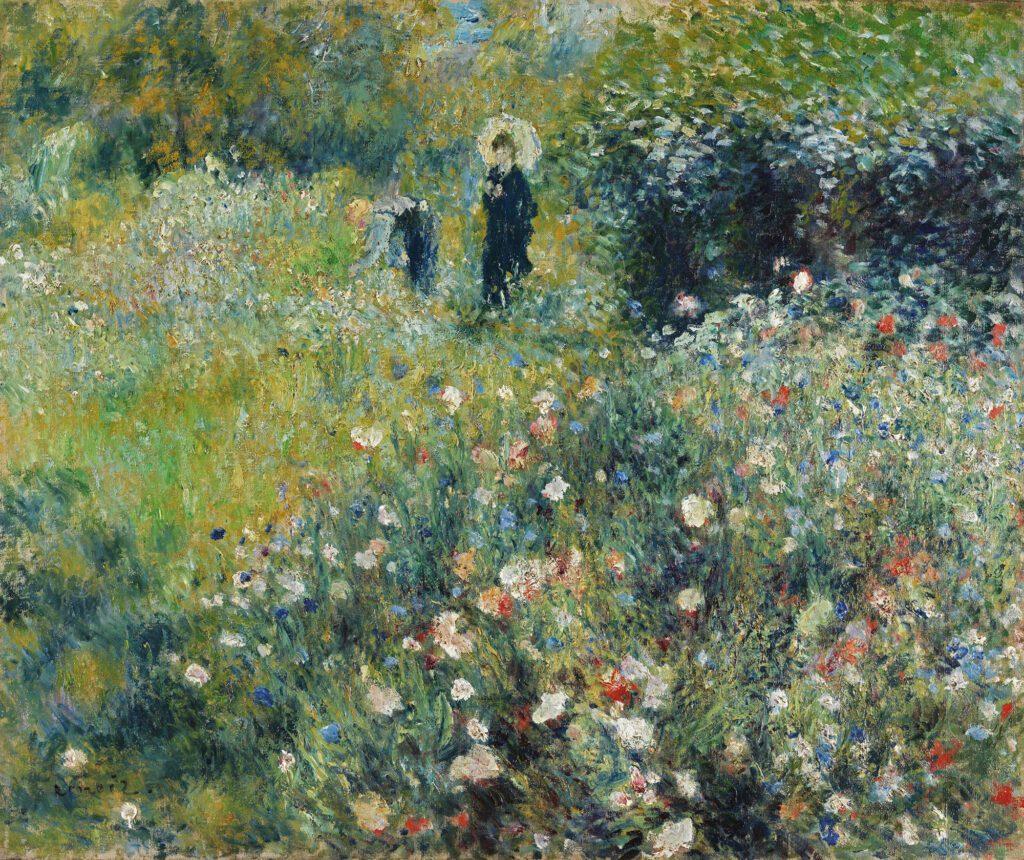
"Life is a garden, not a road. We enter and exit through the same gate. Wandering, where we go matters less than what we notice." — Kurt Vonnegut
#quotes #philosophy #mindfulness
See tagged statuses in the local bookrastinating.com community
"Life is a garden, not a road. We enter and exit through the same gate. Wandering, where we go matters less than what we notice." — Kurt Vonnegut
#quotes #philosophy #mindfulness
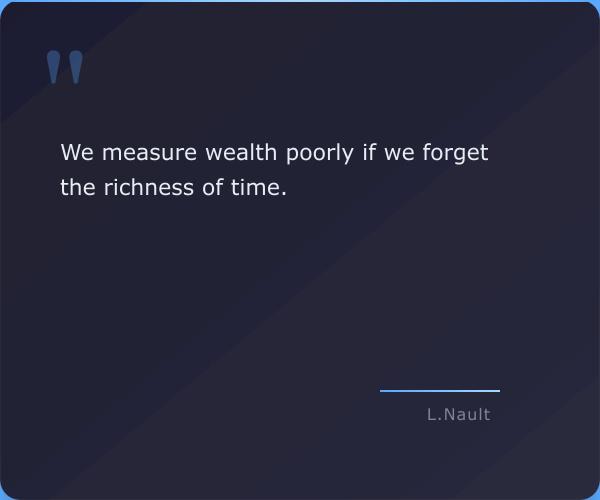
"We measure wealth poorly if we forget the richness of time." L.Nault
#TimeIsWealth #RealWealth #Presence #Mindfulness #Priorities
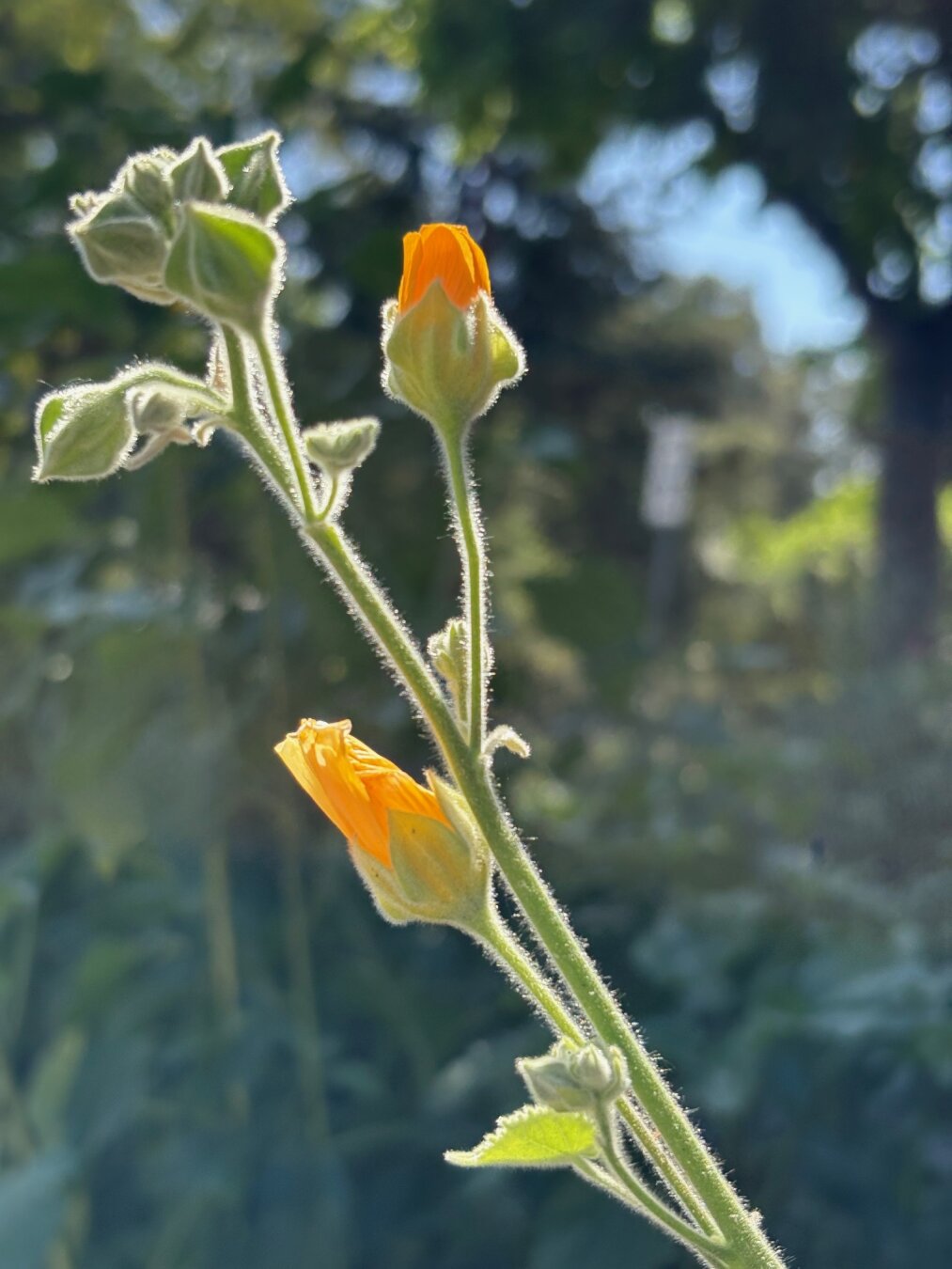
"Choose love. Love means children grow up safe. Love means elders live with dignity. Love means we do not turn away when someone is in pain.
Start with truly loving yourself — start with that. Love the person in front of you, whether you know them or not. That is how we create a more loving world." - Venerable Bhikkhu Pannakara
Venerable Bhikkhu Pannakara, Final speech at Lincoln Memorial, Last Day of our Journey, Day 109 (2/11/2026) https://www.facebook.com/walkforpeaceusa
#love #mindfulness #lovingkindness #peace #walkforpeace #wildflowers #southerncalifornia #bloomscrolling #sunshine #nature #flowers #naturephotography
"Choose love. Love means children grow up safe. Love means elders live with dignity. Love means we do not turn away when someone is in pain.
Start with truly loving yourself — start with that. Love the person in front of you, whether you know them or not. That is how we create a more loving world." - Venerable Bhikkhu Pannakara
Venerable Bhikkhu Pannakara, Final speech at Lincoln Memorial, Last Day of our Journey, Day 109 (2/11/2026) https://www.facebook.com/walkforpeaceusa
#love #mindfulness #lovingkindness #peace #walkforpeace #wildflowers #southerncalifornia #bloomscrolling #sunshine #nature #flowers #naturephotography
“The present moment is the only time over which we have dominion.”
Thích Nhất Hạnh
#mindfulness #dailylife #quote #thichnhathanh #PresentMoment #mentalhealth #time #Thoughts
This is an extremely relevant guide for practicing #mindfulness of the four #elements
Whether you're familiar with the practice or not (and especially if you're not or at least skeptical about it), this is not a practice grounded in pseudoscientific ideas about the "true existence" of the four classical elements; this is an #experiential #contemplative #practice broken down into manageable feelable categories.
This is an extremely relevant guide for practicing #mindfulness of the four #elements
Whether you're familiar with the practice or not (and especially if you're not or at least skeptical about it), this is not a practice grounded in pseudoscientific ideas about the "true existence" of the four classical elements; this is an #experiential #contemplative #practice broken down into manageable feelable categories.
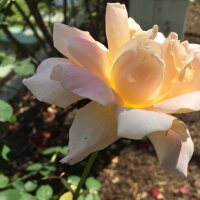
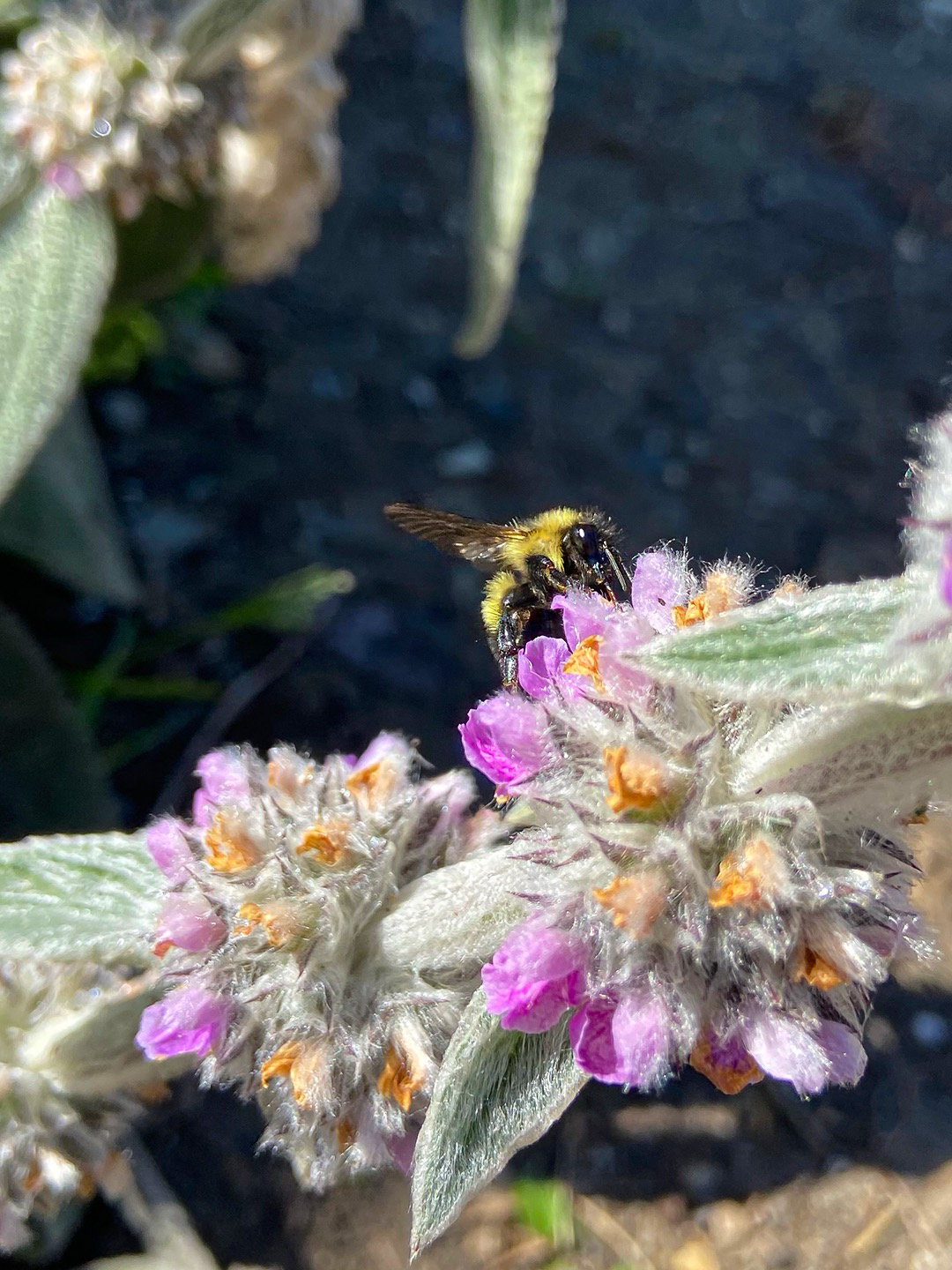
Your reminder to allow yourself to see the beauty in the little things. 🌺🐝
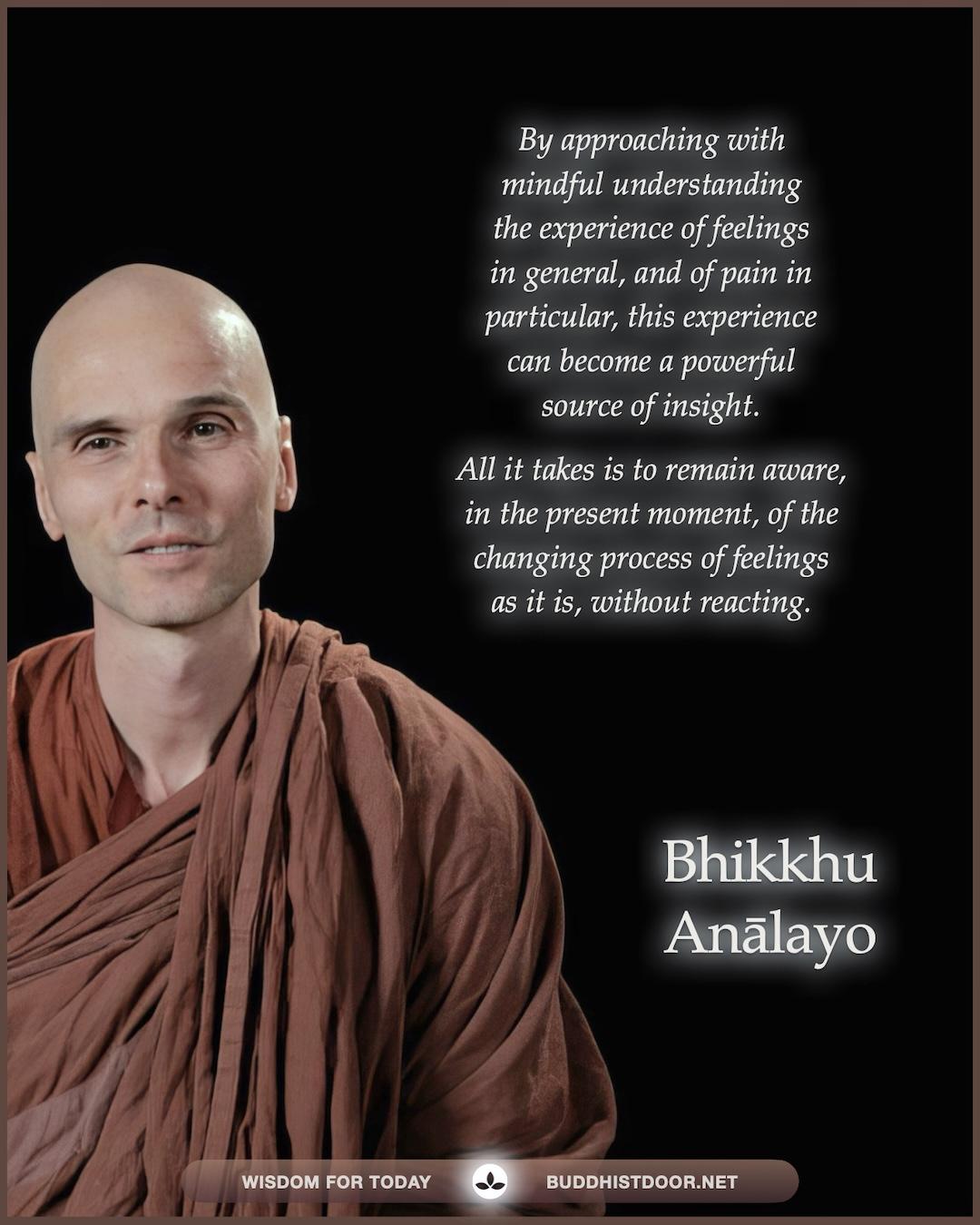
🪷 Buddhistdoor Quote for Today: Bhikkhu Analayo 🪷
✨ By approaching with mindful understanding the experience of feelings in general, and of pain in particular, this experience can become a powerful source of insight. All it takes is to remain aware, in the present moment, of the changing process of feelings as it is, without reacting. — Bhikkhu Analayo ✨
🔗 Go deeper: https://buddhistdoor.net
#Buddhism #Buddha #Dharma #Dhamma #Theravada #Mindfulness #Meditation #Awakening #Spirituality
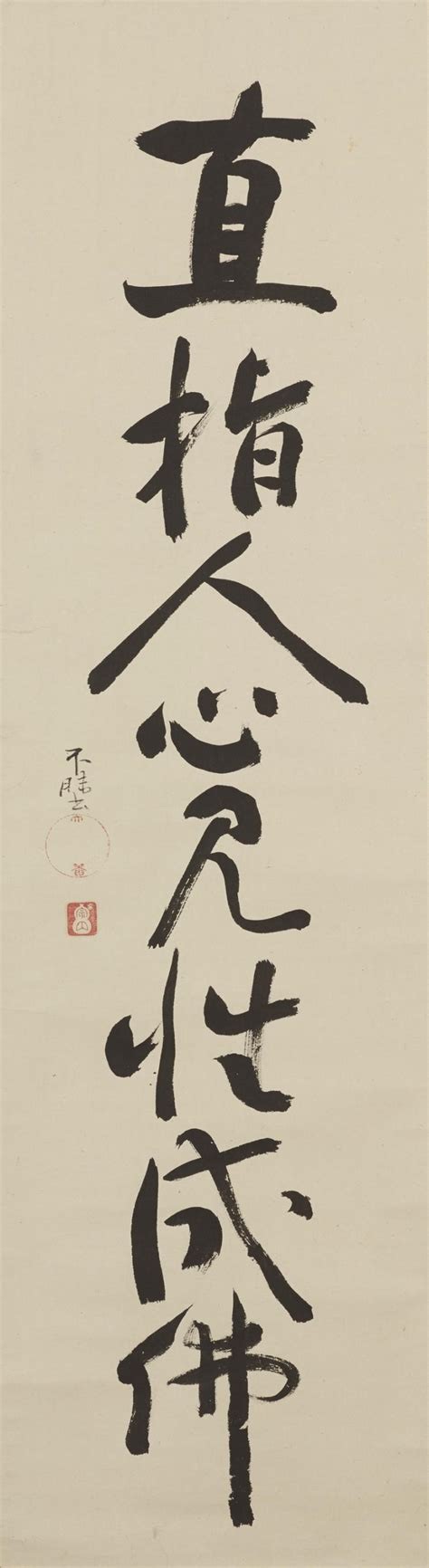
🪷 Buddhistdoor Quote for Today: Bodhidharma (fl. c. 5th–6th century CE) 🪷
🔗 Go deeper: buddhistdoor.net
#Buddhism #Buddha #Dharma #Mahayana #Zen #Chan #Buddhist #Wisdom #Mindfulness #Meditation #Awakening #Spirituality #NonAttachment

Dare to be inconvenienced.
We have been trained to prioritize "seamless" experiences over ethical ones. But every convenience has a hidden cost, whether it is labor rights, environmental impact, or the erosion of privacy.
Efficiency is a metric for machines, not for a meaningful life. When we stop choosing products solely for their convenience, we reclaim our agency. We choose local over global, human over algorithm, and sustainable over instant.
What would happen if we stopped using services that do very little good for society, even if it means taking the long way around?
#EthicalLiving #Intentionality #SlowWeb #noai #DigitalSovereignty #deGoogle #privacy #privacymatters #humanscale #degrowth #EthicalConsumerism #SupportLocal #AntiConsumption #LaborRights #SimpleLiving #Mindfulness #LowTech
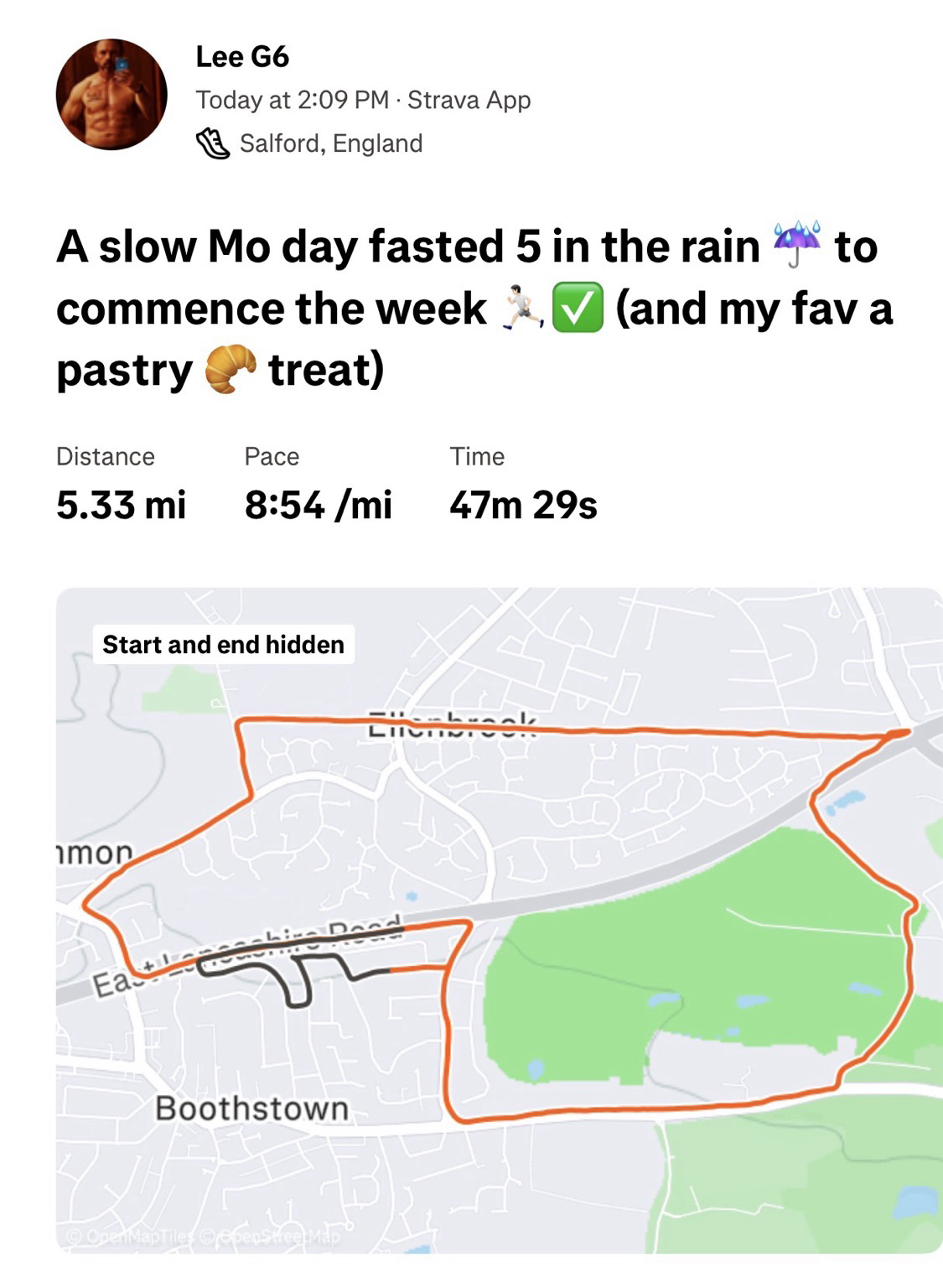
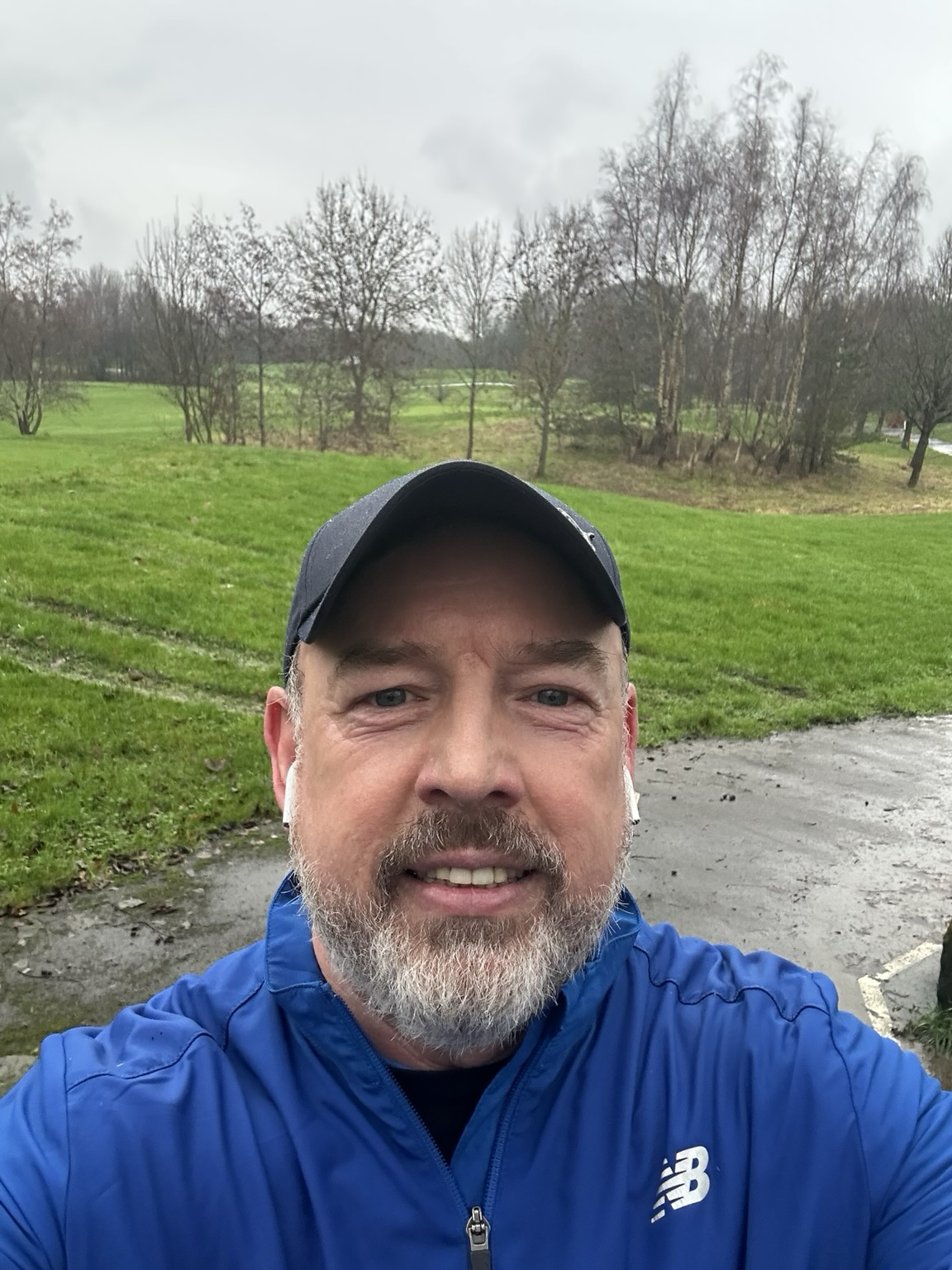
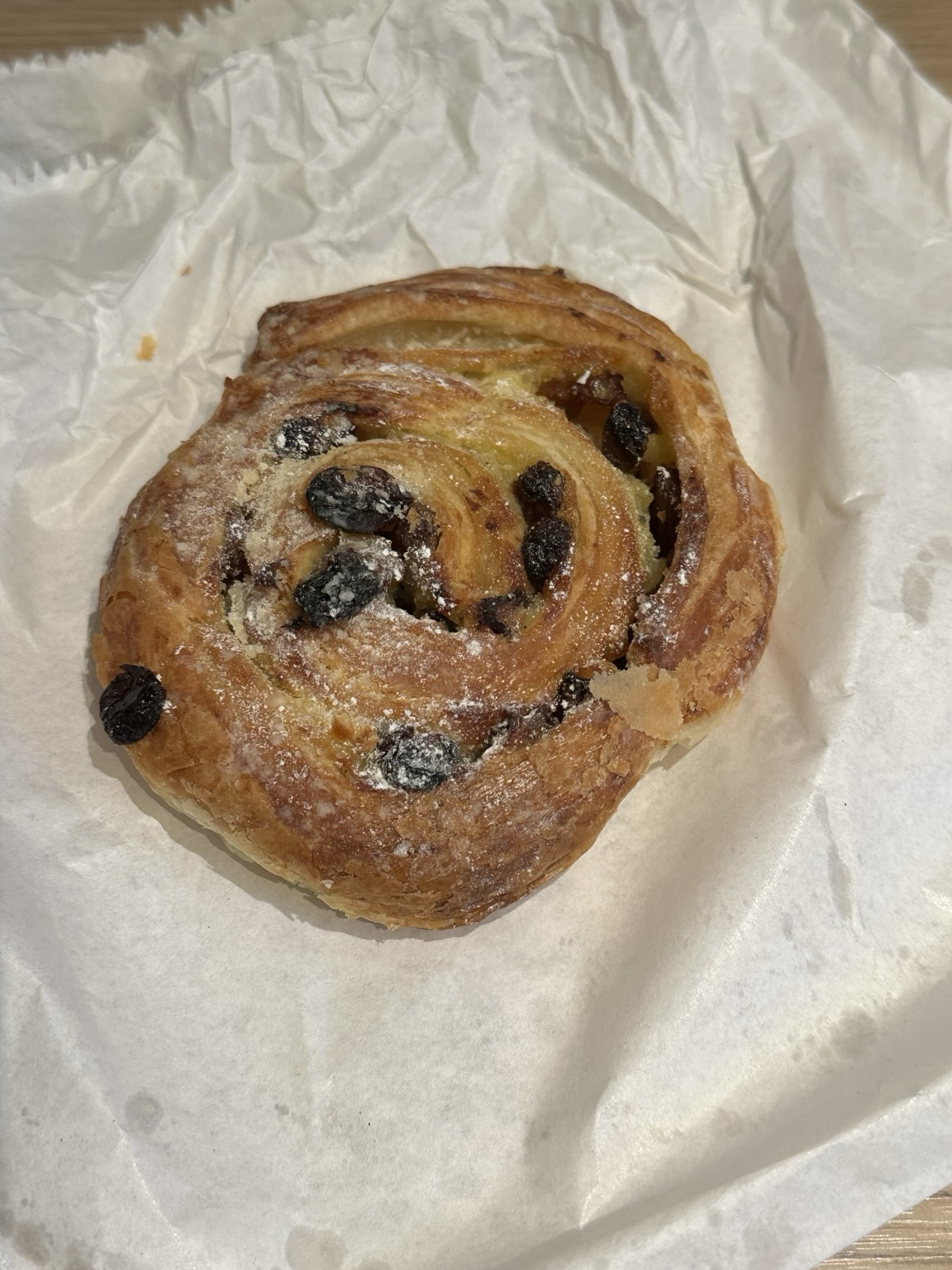
A wet fasted slow Monday 5 ☔️ 🏃🏻✅ (a lovely pastry 🥐 time) #Running #runnersofmastodon #RunningCommunity #Health #fitness #workout #rain #Winter #december #Monday #Music #Christmas #fasting #mentalhealth #meditation #yoga #mindfulness #cake #pastry

Explore identity and connection, inspire curiosity, and prompt engaging discussions about the here and now.
This book is a kid-friendly #mindfulness exercise. My daughter loves it. It also works well as a brief mindfulness exercise for adults, especially those who are wary of practices that involve more silence and not moving.
I've been working through this one again gradually as a complement to the MMTCP Training I'm doing and in which the practice of #RAIN features quite prominently. Now that I have more practice under my belt, I'm struck by how versatile the practice truly is and how it not only is connected to other practices (such as #tonglen, and, less explicitly, Nonviolent Communication #NVC), but also complements and is complemented by these same practices.
#MMTCP #TaraBrach #NonviolentCommunication #mindfulness #compassion
I've been working through this one again gradually as a complement to the MMTCP Training I'm doing and in which the practice of #RAIN features quite prominently. Now that I have more practice under my belt, I'm struck by how versatile the practice truly is and how it not only is connected to other practices (such as #tonglen, and, less explicitly, Nonviolent Communication #NVC), but also complements and is complemented by these same practices.
#MMTCP #TaraBrach #NonviolentCommunication #mindfulness #compassion
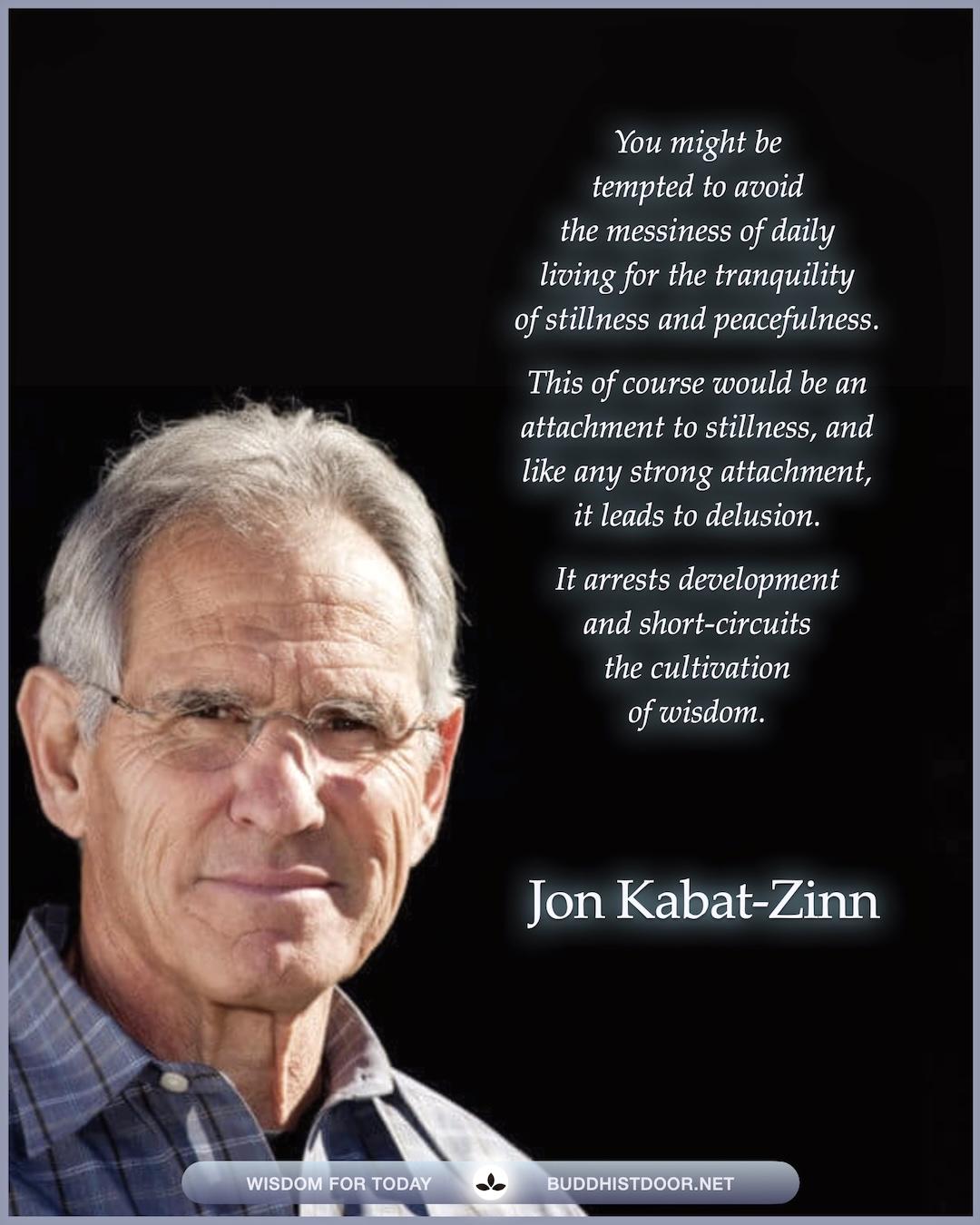
Buddhistdoor Quote for Today: Jon Kabat-Zinn
🔗 Explore more at BDG: buddhistdoor.net
#Buddhism #Buddha #Dharma #Vipassana #Zen #MBSR #Compassion #Mindfulness #Meditation #Liberation #Wisdom #Awakening #Spirituality
There is one advantage to realizing that you're never going to get it right: you do begin to stop expecting everyone else to get it right too, which makes for less frustration when other people turn out to be just as human as you are.
― Jeff Wilson, Buddhism of the Heart: Reflections on Shin Buddhism and Inner Togetherness
There is one advantage to realizing that you're never going to get it right: you do begin to stop expecting everyone else to get it right too, which makes for less frustration when other people turn out to be just as human as you are.
― Jeff Wilson, Buddhism of the Heart: Reflections on Shin Buddhism and Inner Togetherness
🖋️ New Blog Post: The Four Statements of Zen
What do these four cryptic lines—often attributed to Bodhidharma—really mean?
“Directly pointing to the mind-heart.”
In this article, I explore their historical origin, textual meaning, and practical relevance in our distracted, digital age.
Includes character-by-character translation and insight from my teacher, Zen Master Chang Sik Kim.
📖 Read the full post:
👉 https://www.mindlightway.org/zen-history-blog/zen-history-4-statements-of-zen.
🙏 If this supports your practice, consider sharing or supporting the Mind Light Way School of Zen.
#Zen #Bodhidharma #ChanBuddhism #MindHeart #ZenPractice #ZenHistory #ZenQuotes #Mindfulness