



User Profile

Sascha Welter

bebu@bookrastinating.com

Joined 2 years, 1 month ago

I used to be a very active reader, but at some point I mostly went into re-reading the same books again. Now I'm trying to get to enjoy reading the classics to discover the things I've missed there.

Also I'm trying to read books in their original language if possible, even if it means it's turning reading into a bit of tough job.

Site / Blog: betabug.ch

This link opens in a pop-up window

Sascha Welter's books

Currently Reading

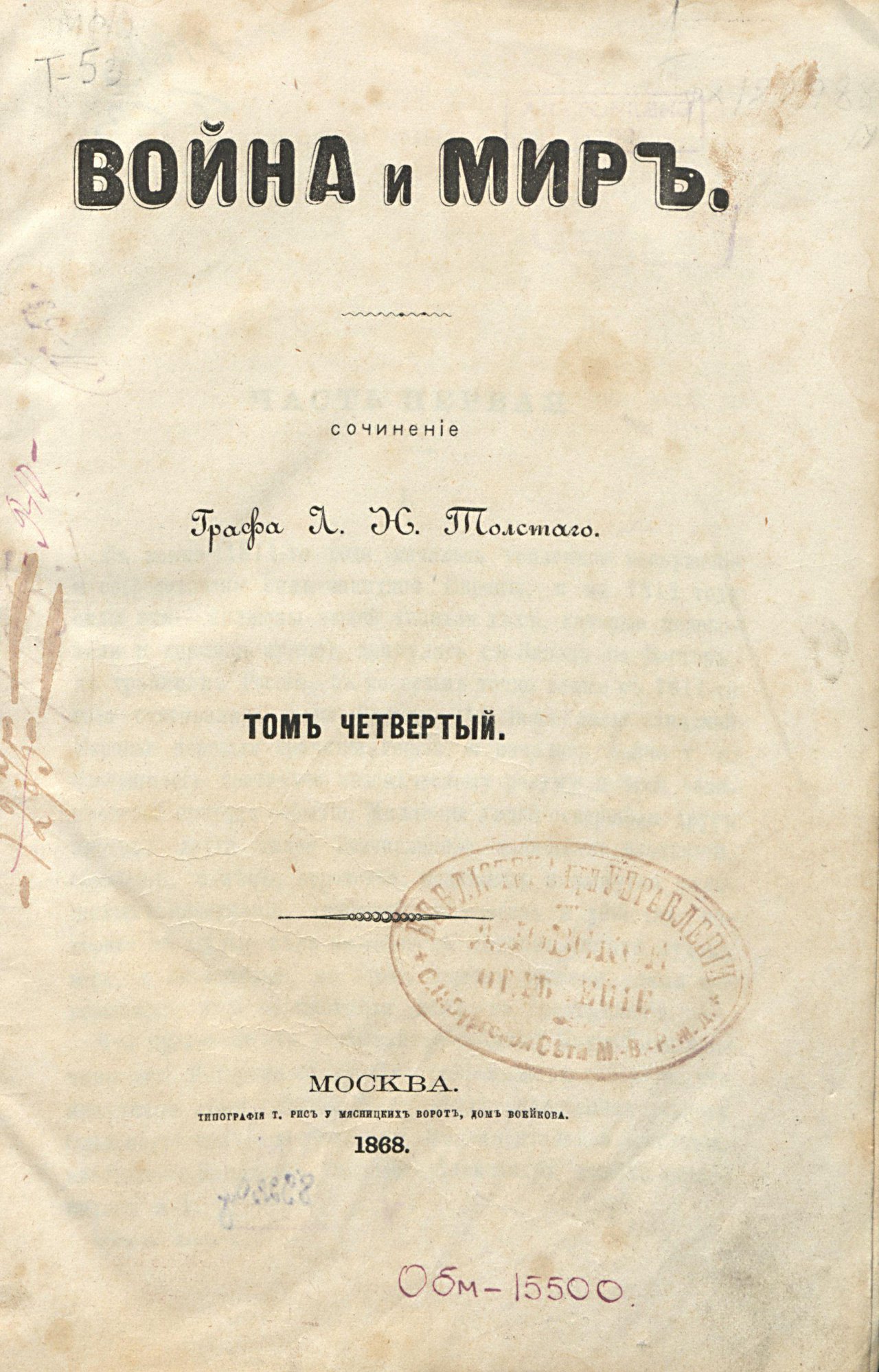
Leo Tolstoy: Voĭna i mir (Russian language, 1868, Tip. T. Ris)

War and Peace delineates in graphic detail events surrounding the French invasion of Russia, and …

Они обе видели, как он глубже и глубже. медленно и спокойно, опускался от них куда-то туда, и обе знали, что это так должно быть, и что это хорошо.

"Sie sahen beide, wie er immer tiefer sank, langsam und still, weg von ihnen, irgendwo dorthin, und sie wussten beide, dass es so sein sollte und dass es gut war."

Voĭna i mir by  (Page 1,205)

Marguerite Duras: L'Amant (Français language, 1985, France loisirs)

« Dans L'Amant, Marguerite Duras reprend sur le ton de la confidence les images et …

Not smut ... but the misery of colonialism

An intense book. If you started this book because you heard about the smut (or saw the movie with lots of skin), you will be disappointed.

What is really intense is all the misery, the misery of the family, the misery of this love that exists only in a grotesque parody, the misery of the boarding schools. Above all and defining all this, the misery of colonialism. Colonialism that heaps misery on the local people, but also onto the people sent there to "administer" that colony or who try to get their personal gain in this all and simply find their banal inconsequential life.

A lot of "stream of consciousness" writing. It took me a while to keep me from trying to "keep in mind" what exactly was happening and when, and instead let myself drift in the stream. I found the book to be ending on a …

finished reading L'Amant by Marguerite Duras

Marguerite Duras: L'Amant (Français language, 1985, France loisirs)

« Dans L'Amant, Marguerite Duras reprend sur le ton de la confidence les images et …

An intense book. If you started this book because you heard about the smut (or saw the movie with lots of skin), you will be disappointed.

What is really intense is all the misery, the misery of the family, the misery of this love that exists only in a grotesque parody, the misery of the boarding schools. Above all and defining all this, the misery of colonialism. Colonialism that heaps misery on the local people, but also onto the people sent there to "administer" that colony or who try to get their personal gain in this all and simply find their banal inconsequential life.

A lot of "stream of consciousness" writing. It took me a while to keep me from trying to "keep in mind" what exactly was happening and when, and instead let myself drift in the stream. I found the book to be ending on a …

Donna Tartt: The Secret History (2004, Vintage Contemporaries)

Under the influence of their charismatic classics professor, a group of clever, eccentric misfits at …

Noticed this book in my feed. I've read it almost 20 years ago. Bought it in a bookshop in Panepistimiou street in Athens, and the image of the low table with stacks of books where it lay is still in my head.

I didn't like it completely. I remember it carried me on, but there was something deeply negative in the story.

Leo Tolstoy: Voĭna i mir (Russian language, 1868, Tip. T. Ris)

War and Peace delineates in graphic detail events surrounding the French invasion of Russia, and …

Никогда, как ему казалось, он на яву не был в состоянии так думать и выражать свои мысли.

Voĭna i mir by  (Page 1,033)

"Niemals, wie es ihm erschien, war er im Wachen in der Lage gewesen, so zu denken und seine Gedanken so auszudrücken."

Leo Tolstoy: Voĭna i mir (Russian language, 1868, Tip. T. Ris)

War and Peace delineates in graphic detail events surrounding the French invasion of Russia, and …

«Хорошо бы это было, — подумал князь Андрей, взглянув на этот образок, который с таким чувством и благоговением навесила на него сестра, — хорошо бы это было, ежели бы всё было так ясно и просто, как оно кажется княжне Марье. Как хорошо бы было знать, где искать помощи в этой жизни и чего ждать после нее, там, за гробом!

«Gut wäre das», dachte Prinz Andrej, auf diese Ikone blickend, die ihm seine Schwester mit so viel Gefühl und Ehrfurcht umgehängt hatte, «gut wäre das, wenn alles so klar und einfach wäre, wie es Prinzessin Maria scheint. Wie gut wäre es, wissen zu können, wo man in diesem Leben Hilfe suchen kann, und was einen erwartet danach, dort, im Grab!

Voĭna i mir by  (Page 349)

Wow... I'm done... incredible feeling. I might write a review, but a bit later. This was a crazy journey.

— Да разве это непременно нужно?

— Ах, непременно! Он был у нас. Ну что тебе стоит? Заедешь, сядешь, поговоришь пять минут о погоде, встанешь и уедешь.

Анна Каренина by  (Page 1,046)

"- Ja ist das denn unbedingt nötig? - Ach, unbedingt! Er war bei uns. Nun, was kostet es dich? Du gehst vorbei, du setzt dich hin, redest fünf Minuten über das Wetter, stehst auf und gehst."

В смерть, про которую ему так часто говорили, Сережа не верил совершенно. Он не верил в то, что любимые им люди могут умереть, и в особенности в то, что он сам умрет. Это было для него совершенно невозможно и непонятно. Но ему говорили, что все умрут; он спрашивал даже людей, которым верил, и те подтверждали это; няня тоже говорила, хотя и неохотно. Но Енох не умер, стало быть, не все умирают. «И почему же и всякий не может так же заслужить пред богом и быть взят живым на небо?» — думал Сережа. Дурные, то есть те, которых Сережа не любил, те могли умереть, но хорошие все могут быть как Енох.

Анна Каренина by  (Page 822)

"An den Tod, von dem ihm so oft gesprochen wurde, glaubte Seryozha überhaupt nicht. Er glaubte nicht daran, dass die Menschen, die er liebte, sterben könnten und insbesondere nicht daran, dass er selbst sterben würde. Das war für ihn völlig unmöglich und unverständlich. Aber man sagte ihm, dass alle sterben würden; er fragte sogar Leute, denen er glaubte, und sie bestätigten es; Das Kindermädchen sagte es auch, wenn auch nur widerwillig. Aber Enoch ist nicht gestorben, daher sterben nicht alle. "Und warum kann denn nicht jeder auch vor Gott verdient sein und lebendig in den Himmel genommen werden?" - dachte Seryozha. Die Schlechten, das heißt, die, die Seryozha nicht mochte, könnten sterben, aber die Guten könnten alle wie Enoch sein."

R.F. Kuang: Babel (EBook, 2022, Harper Voyager)

From award-winning author R. F. Kuang comes Babel, a thematic response to The Secret History …

I really liked the setup and the message of this book. Even the idea with the silver could be an interesting "visualisation" of the power dynamics of colonialism. But I don't know why, don't know if it's just me, but it seems all to be executed very superfluously to me. I don't feel people's feelings, don't get their motivation (apart from thinking that according to the plot, they are bound to have some). I'm stopping for now, maybe I'll get back to it later.