Misha (on Bookwyrm) rated The ends of the world: 5 stars

The ends of the world by Peter Brannen
"As new groundbreaking research suggests that climate change played a major role in the most extreme catastrophes in the planet's …

For more info: Mastodon
This link opens in a pop-up window
"As new groundbreaking research suggests that climate change played a major role in the most extreme catastrophes in the planet's …
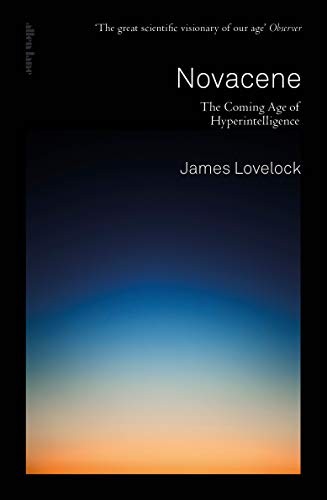
I have always had a hard time making up my mind about James Lovelock. On the one hand, his Gaia hypothesis has really changed the way I (and many others) think about the remarkable equilibria we are born into. On the other hand, the way his ego and his (self-acclaimed?) engineering credentials have consistently manifested in confused appeals to technocracy - "it may be necessary to put democracy on hold for a while" - has been misguided and dangerous.
In that sense, his last book "Novacene" has generally met my expectations. On the one hand, the book is full of strange and surprising scientific claims and detours that made me question and review what I know about the Earth Sciences. On the other hand, the book's call to accept the impending end of "organic life", and to celebrate the inevitable take-over of Gaia by electronic machines can only …
I have always had a hard time making up my mind about James Lovelock. On the one hand, his Gaia hypothesis has really changed the way I (and many others) think about the remarkable equilibria we are born into. On the other hand, the way his ego and his (self-acclaimed?) engineering credentials have consistently manifested in confused appeals to technocracy - "it may be necessary to put democracy on hold for a while" - has been misguided and dangerous.
In that sense, his last book "Novacene" has generally met my expectations. On the one hand, the book is full of strange and surprising scientific claims and detours that made me question and review what I know about the Earth Sciences. On the other hand, the book's call to accept the impending end of "organic life", and to celebrate the inevitable take-over of Gaia by electronic machines can only be read as the most dangerous and deranged kind of engineering hubris.
Read the rest of the review on my blog: mishathings.org/posts/lovelock-novacene/

Op zijn gebruikelijke scherpe wijze analyseert Hartmut Rosa onze moderne tijd. Ditmaal vanuit de prangende …
In "Democratie vraagt om religie" zet Hartmut Rosa een aantal inmiddels bekende problemen op een rijtje: we werken te hard, we zijn te materialistisch, we nemen de tijd niet om naar elkaar te luisteren, we gaan niet zorgvuldig genoeg met onze hulpbronnen om. Allemaal waar. We kennen de analyse, zo niet van decennia kritische (ecologische) economie, dan wel van de meer recente Degrowth literatuur.
Ik hoopte dan ook dat Rosa deze analyse als uitgangspunt zou nemen, om ons vervolgens uit te leggen hoe religie hier een antwoord op kan zijn.
Maar toen hij het in de laatste pagina's eindelijk over religie begon te hebben was het boek ineens uit.
Gemiste kans. En zonde van m'n tijd. Want ik moet nog zoveel doen. Ik wil best onthaasten maar dan moet het wel een beetje efficiënt.
In "Democratie vraagt om religie" zet Hartmut Rosa een aantal inmiddels bekende problemen op een rijtje: we werken te hard, we zijn te materialistisch, we nemen de tijd niet om naar elkaar te luisteren, we gaan niet zorgvuldig genoeg met onze hulpbronnen om. Allemaal waar. We kennen de analyse, zo niet van decennia kritische (ecologische) economie, dan wel van de meer recente Degrowth literatuur.
Ik hoopte dan ook dat Rosa deze analyse als uitgangspunt zou nemen, om ons vervolgens uit te leggen hoe religie hier een antwoord op kan zijn.
Maar toen hij het in de laatste pagina's eindelijk over religie begon te hebben was het boek ineens uit.
Gemiste kans. En zonde van m'n tijd. Want ik moet nog zoveel doen. Ik wil best onthaasten maar dan moet het wel een beetje efficiënt.
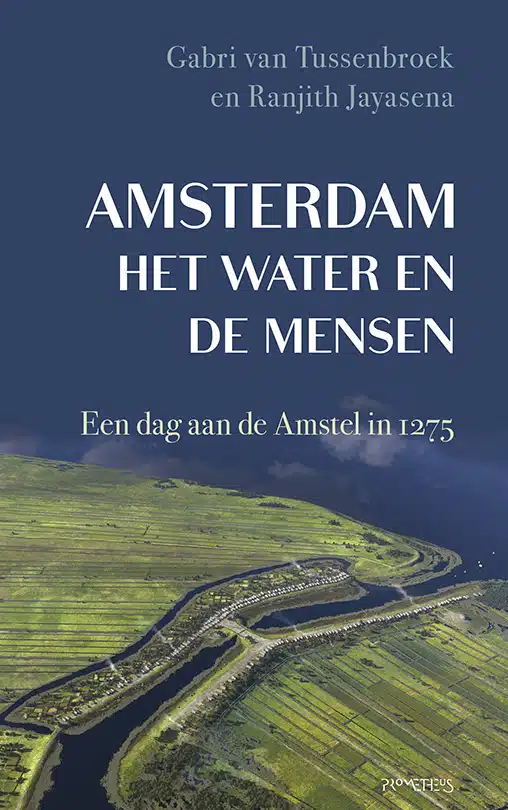
Op 27 oktober 2025 is het 750 jaar geleden dat Amsterdam voor het eerst in een document is genoemd. Die …

Why resisting climate change means combatting the fossil fuel industry
The science on climate change has been clear for …
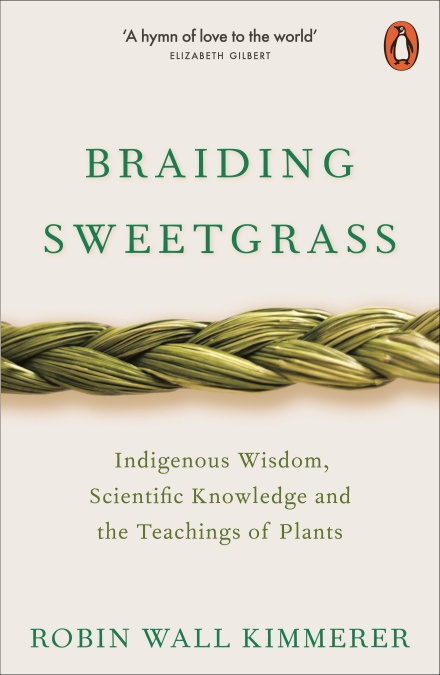
As a botanist, Robin Wall Kimmerer has been trained to ask questions of nature with …
Beautiful book. It was on my metaphorical night stand for quite some time, and just the thought of having some pages left filled me with a weird sense of excitement and hope. Yesterday I (sadly) finished them.
Can 100% recommend to everyone, but especially to those who love science but are disillusioned with its (often) spiritual and moral emptiness.
Together with "Less is more" by Jason Hickel and "Doppelganger" by Naomi Klein, this book has helped me understand the world around me, and it has been a great source of inspiration for action. I wish everyone would read this book (and the other two).
Beautiful book. It was on my metaphorical night stand for quite some time, and just the thought of having some pages left filled me with a weird sense of excitement and hope. Yesterday I (sadly) finished them.
Can 100% recommend to everyone, but especially to those who love science but are disillusioned with its (often) spiritual and moral emptiness.
Together with "Less is more" by Jason Hickel and "Doppelganger" by Naomi Klein, this book has helped me understand the world around me, and it has been a great source of inspiration for action. I wish everyone would read this book (and the other two).

De wonden geslagen door gedwongen verplaatsing, westerse expansiedrift en de verdeel-en-heerspolitiek zijn nog niet geheeld. …
Link naar reflectie: mishathings.org/2024-03-23-vier-vragen-aan-adriaan-van-dis.html
Voor de volledigheid ook hier:
Naast waardering en bewondering voor de manier waarop "De kolonie mept terug" in weinig woorden de grote thema's van onze dagen samenvat, heb ik drie vragen voor Adriaan van Dis:
VRAAG 1
Als u zegt ...
"... met het ontstaan van destaat Israël hebben de koloniale machten de overlevenden van de Holocaust 'uitverkoren' zich tegen de Arabieren te keren. Kortom, de Palestijnen betalen de prijs voor het Europese schuldgevoel" (p. 46)
... hoe kunt u dan een paar zinnen verderop zeggen dat u ...
"vierkant achter de staat Israël" (p. 46) staat?
Vraag 2
Als u zegt ...
"[d]e vreemde bezetters en bezitters kozen voor gewin op korte termijn en keken neer op de traditionele landbouwmethoden van de in hun ogen 'primitieve volken'. Natte streken werden drooggelegd, steeds weer dezelfde gewassen …
Link naar reflectie: mishathings.org/2024-03-23-vier-vragen-aan-adriaan-van-dis.html
Voor de volledigheid ook hier:
Naast waardering en bewondering voor de manier waarop "De kolonie mept terug" in weinig woorden de grote thema's van onze dagen samenvat, heb ik drie vragen voor Adriaan van Dis:
VRAAG 1
Als u zegt ...
"... met het ontstaan van destaat Israël hebben de koloniale machten de overlevenden van de Holocaust 'uitverkoren' zich tegen de Arabieren te keren. Kortom, de Palestijnen betalen de prijs voor het Europese schuldgevoel" (p. 46)
... hoe kunt u dan een paar zinnen verderop zeggen dat u ...
"vierkant achter de staat Israël" (p. 46) staat?
Vraag 2
Als u zegt ...
"[d]e vreemde bezetters en bezitters kozen voor gewin op korte termijn en keken neer op de traditionele landbouwmethoden van de in hun ogen 'primitieve volken'. Natte streken werden drooggelegd, steeds weer dezelfde gewassen geplant. Zo raakte de aarde uitgeput - met droogte en hongersnoden tot gevolg. Het Intergovernmental Panel on Climate Change (IPCC) bevestigt dat de klimaatcrisis wortelt in de expoloitatie en vernietiging van omgeving, mensen en culturen en noemt dat 'het fundament van het kolonialisme'" (p. 71-72) ...
... hoe kunt u dan één pagina verderop zeggen dat u uw periodieke betalingen aan Extinction Rebellion heeft opgezegd omdat ...
"die club het klimaat koppelt aan de oorlog in Gaza" (p. 73)?
Vraag 3
U zegt dat u naar aanleiding van alle commotie rondom zwarte piet in Nederland lid werd van BIJ1 (p. 52), maar het lidmaatschap weer opzegde toen het kwam tot het "onderlinge geruzie" (p. 52), maar vinden we zulk geruzie niet ook in andere partijen? En getuigt het niet ook van begrip en geduld om een belangrijke, beginnende partij als BIJ1 de kans te geven zichzelf te vinden?
Artificial Intelligence (AI) is everywhere, yet it causes damage to society in ways that can’t be fixed. Instead of helping …
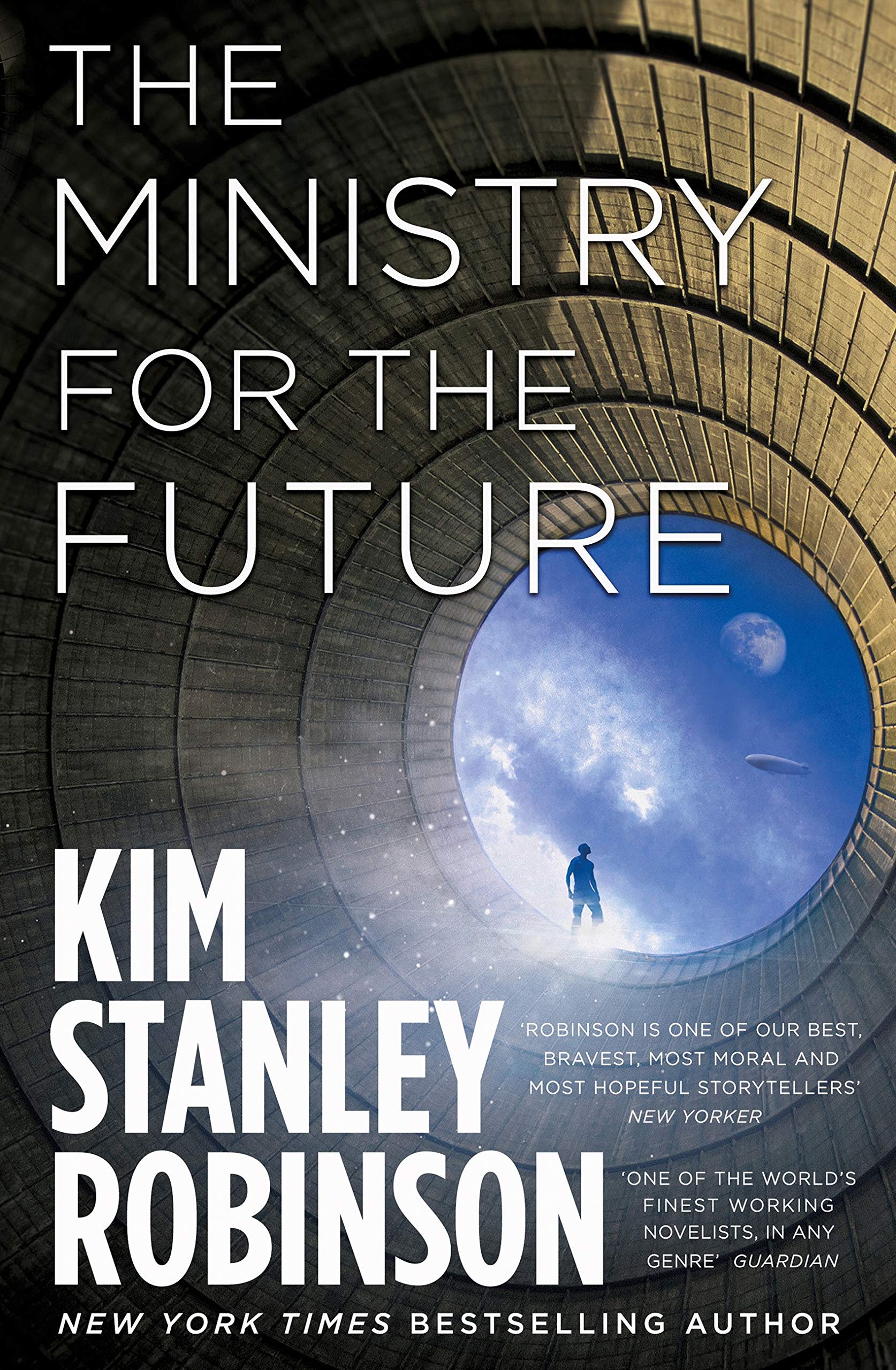
Established in 2025, the purpose of the new organization was simple: To advocate for the world's future generations and to …
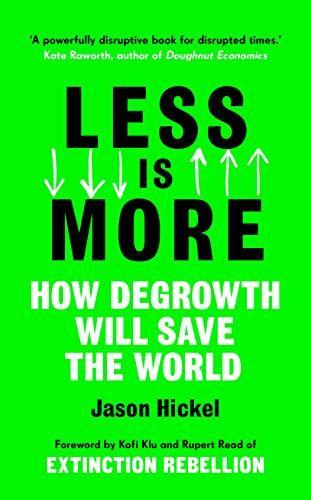
The world has finally awoken to the reality of climate breakdown and ecological collapse. Now we must face up to …

For my review of this book, see here: mishathings.org/2024-01-10-sartre:-antisemite-and-jew.html

Burmese Days is the first novel by English writer George Orwell, published in 1934. Set …
Some vile racist language. The ugliness of (British) colonialism. The pettiness of it. How it (sometimes) didn't just destroy the colonized, but also the colonizer.
Some vile racist language. The ugliness of (British) colonialism. The pettiness of it. How it (sometimes) didn't just destroy the colonized, but also the colonizer.