#arthistory

See tagged statuses in the local bookrastinating.com community

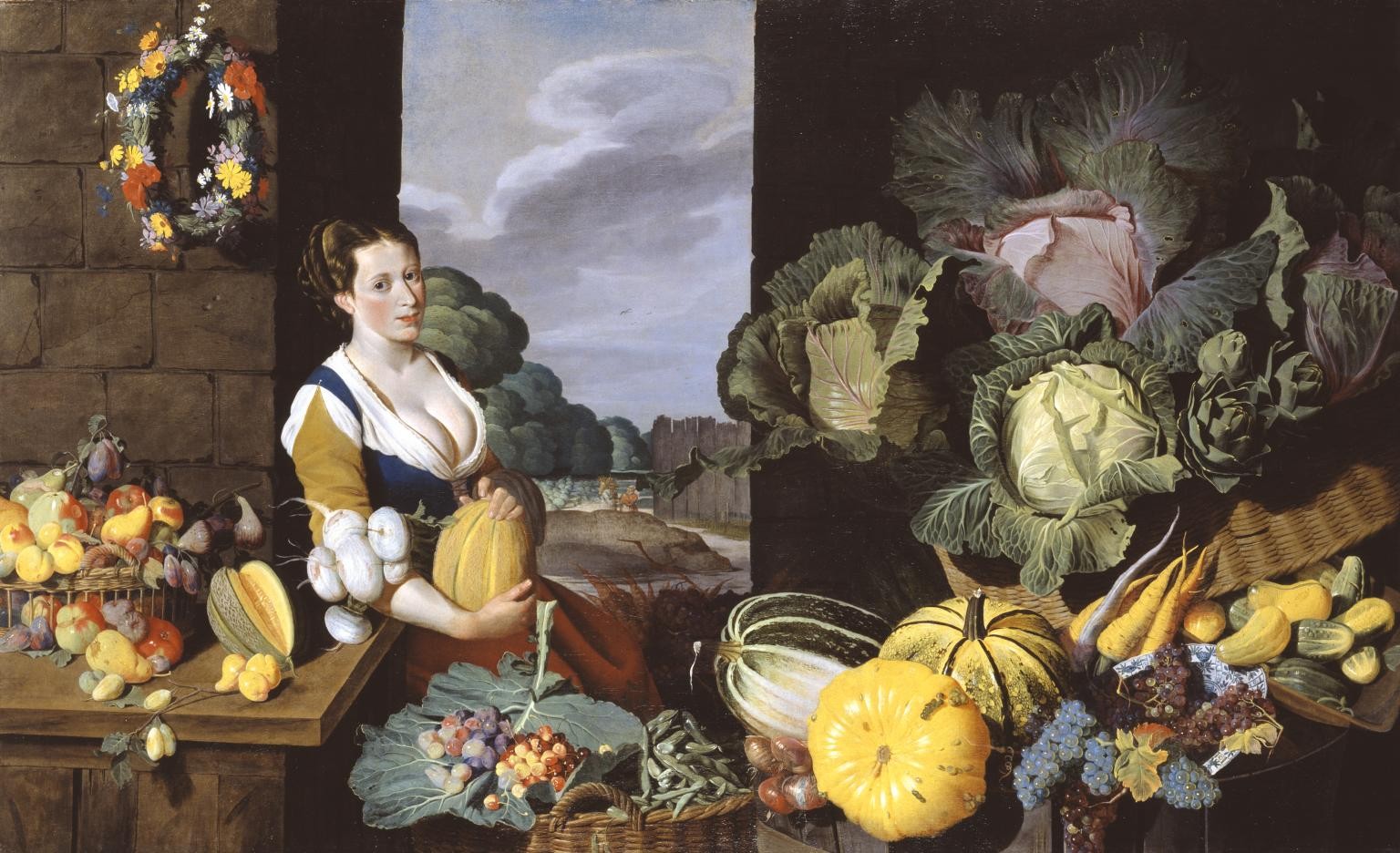
Thinking about the Extremely Subtle And Understated Symbolism For Fertility painting again (Cookmaid with Still Life of Vegetables and Fruit, c.1620–5, Sir Nathaniel Bacon)
All the lovingly and painstakingly crafted cabbages. The lovely bosom-forward lass holding that pumpkin? All the erect carrots? The shape of the wreath? So subtle! Incredible. 😆
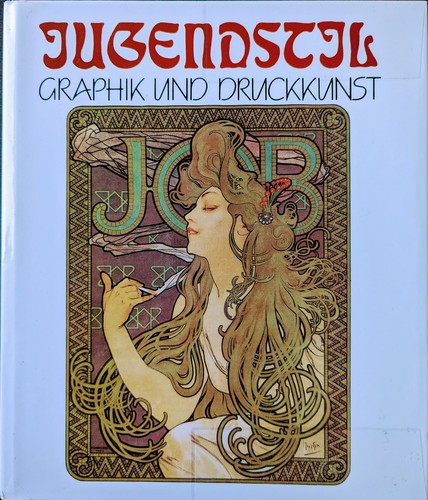
Hans H. Hofstätter, S. Hofstätter, Władysława Jaworska: Jugendstil - Graphik und Druckkunst (2005, Otus) No rating

The design style of Jugendstil - or "Art Nouveau", as it is called in English - has long been a subject of fascination for me.

If I had the time and resources for such a project, I'd do #ttrpg products with cover illustrations in that style. #art #arthistory #Jugendstil #ArtNouveau

I enjoyed Jackie Wullschlager's new biography of so much I wrote this (glowing) review of it for @NWBylines, which extends the micro-review that appeared here a couple of weeks ago.

If you are thinking of a for someone you know who loves , , or just biographies more generally, I really cannot recommend this high enough.

Its a great piece of work - fascinating and accessible!

@bookstodon

https://northwestbylines.co.uk/lifestyle/books/claude-monets-debt-to-three-women/

This week I've been mainly reading, no. 115.

Comparing Dore Ashton's Rosa Bonheur: A Life and a Legend (1981) with Jackie Wullschlager' recent biography of Monet (TWIBMR 110), while Ashton's book is efficient , she seems unable to convey the vitality of the art to the reader (which may incite something about Bonheur's works, perhaps). But, nonetheless this is an interesting discussion of an (accidental) feminist working in the C19th (French) salon tradition.

@bookstodon

The week I've been mostly reading, no. 110.

Jackie Wullschlager wonderful Monet: The Restless Vision (2023) is the best book I've read for a long time. Her account of Monet, his relations with 3 key women (two wives & a step daughter) & how they shaped his work, balances biography with a compelling/insughtful account of the development of his work. Like all good books this just makes you want to see his in the flesh. I cannot recommend it highly enough

@bookstodon

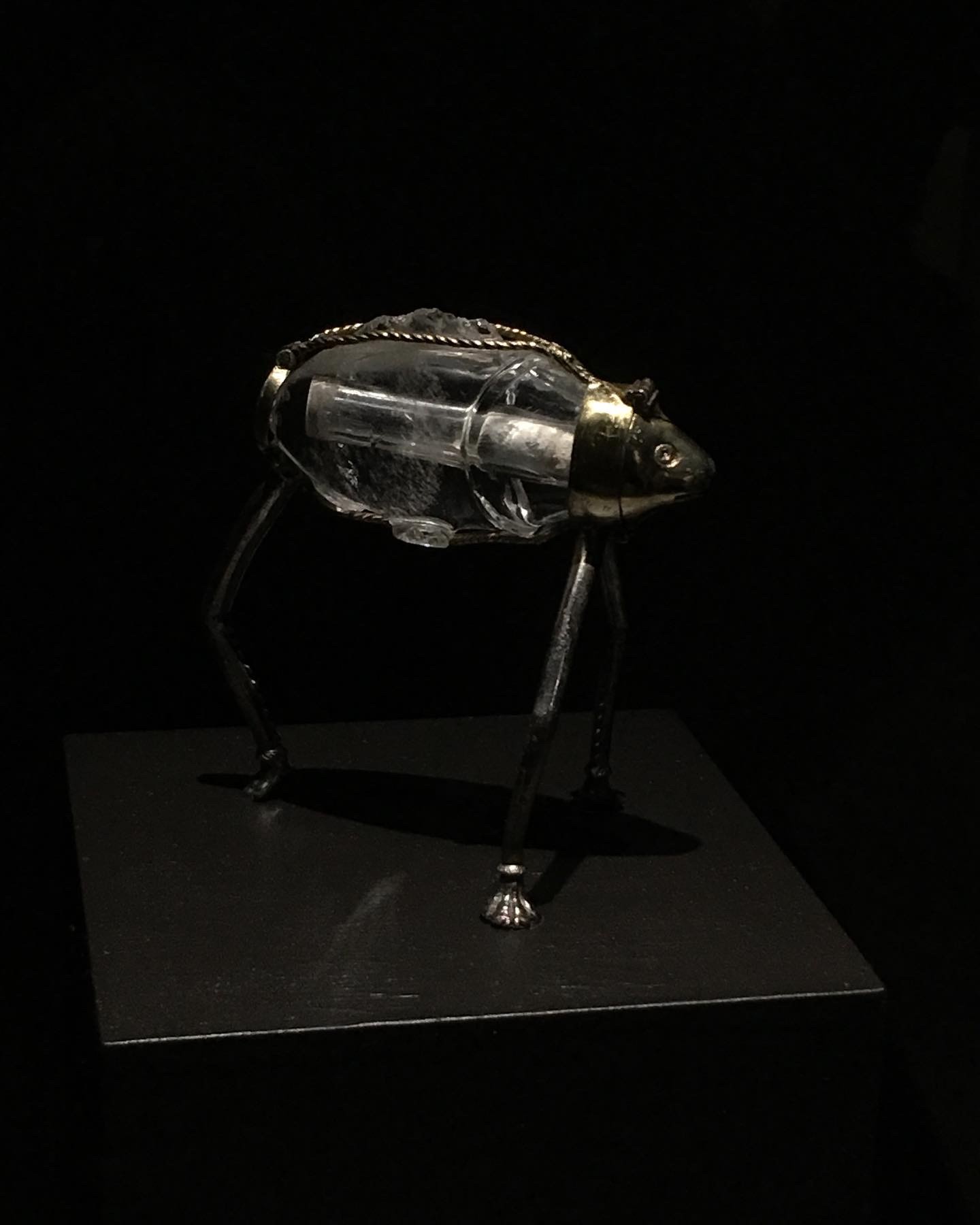
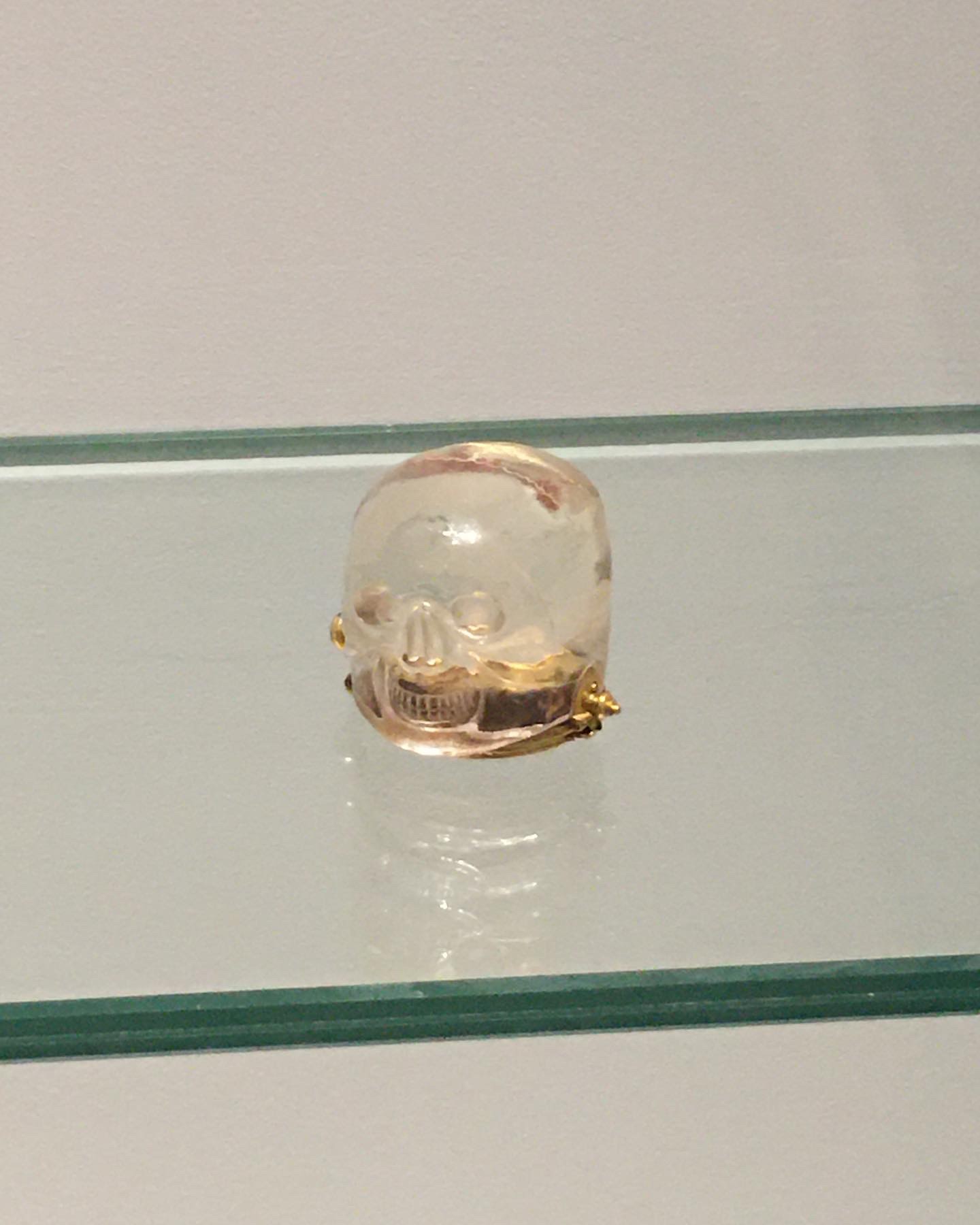
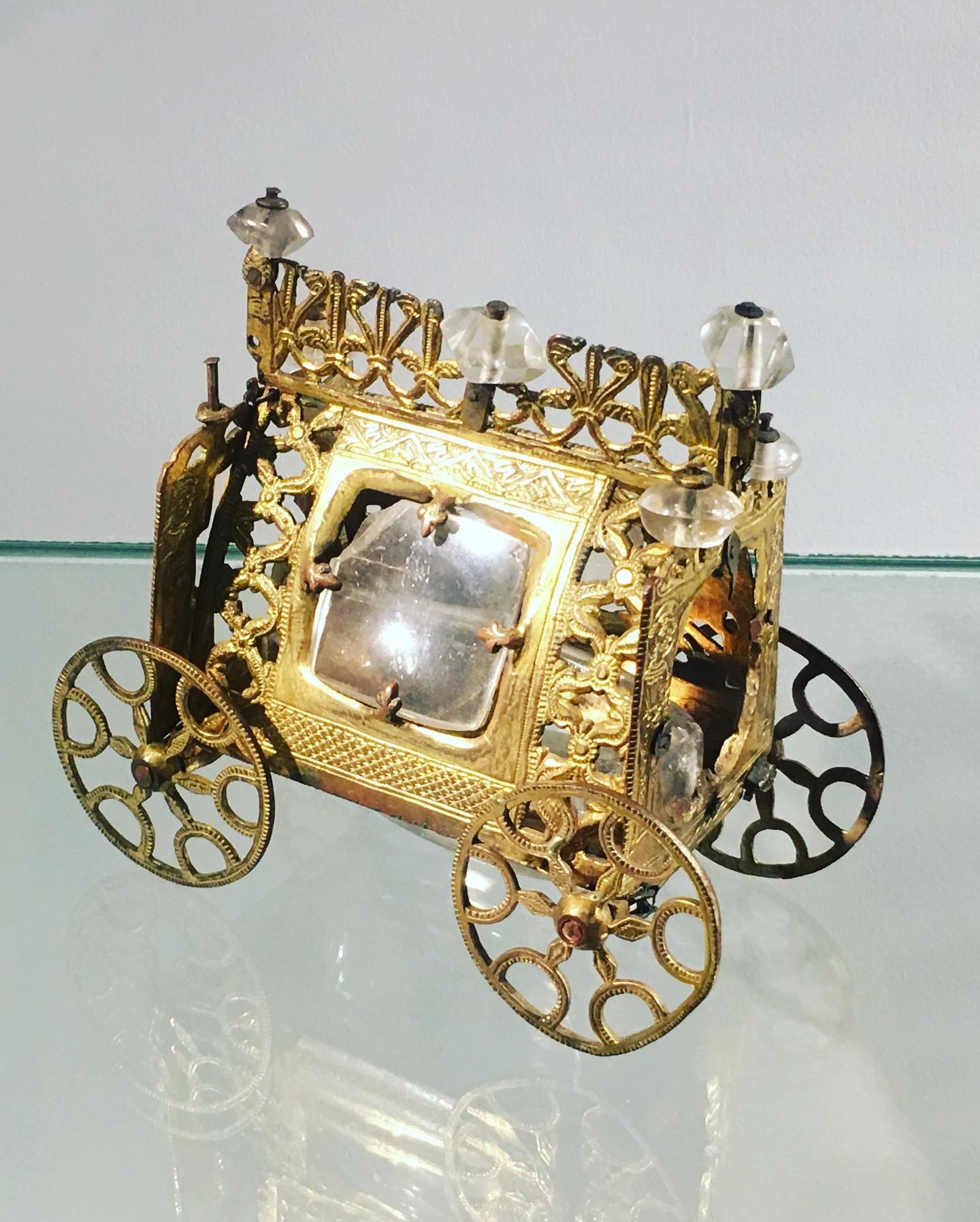
L’exposition du Musée de Cluny, Voyage dans le cristal, est extraordinaire ! Elle présente des objets de la Préhistoire au XXIe siècle, caractérisés par leur utilisation de ce matériau particulier. Reliquaires aux formes étonnantes, plaques gravées d’une grande finesse, montre un peu effrayante, cette très belle présentation est étonnante et fascinante.

This week I've been mainly reading, no. 109.

Like the 5 previous volumes in Michel Pastoureau's series of books on colour, White: The History of a Colour (2022) is a mixed bag. Its full of great insights & wonderful illustrations, but (unavoidably) repeats some aspects of the previous books & never really completely coheres into a focussed argument about white as a colour. That said, there is so much of interest, that you can forgive this (inevitable?) short-coming.

@bookstodon

This week I've been mainly reading, no.106.

If you're interested in the relation between & , Barbara Savedoff's short(ash) Transforming Images: How Photography Complicates the Picture (2000) is worth reading. She explores the relations between & the photo, including some fascinating stuff on photographic reproductions' impact on , although the warnings about photography now seem commonplace. But still its full of great insights!

@bookstodon

This week I've mainly been reading, no. 105.

Its no surprise John Barrell's The dark side of landscape (1980) is regarded as a classic. In this discussion of Gainsborouh, Morland & Constable's depiction of the rural poor, Barrell produces a fascinating class analysis of painting in C18th/C19th. He also suggests Morland's relatively low reputation is partly the result of the sentimentalisation of is work by contemporary engravers, another interesting issue

@bookstodon

This week I've mainly been reading, no. 105.

Its no surprise John Barrell's The dark side of landscape (1980) is regarded as a classic. In this discussion of Gainsborouh, Morland & Constable's depiction of the rural poor, Barrell produces a fascinating class analysis of painting in C18th/C19th. He also suggests Morland's relatively low reputation is partly the result of the sentimentalisation of is work by contemporary engravers, another interesting issue

@bookstodon