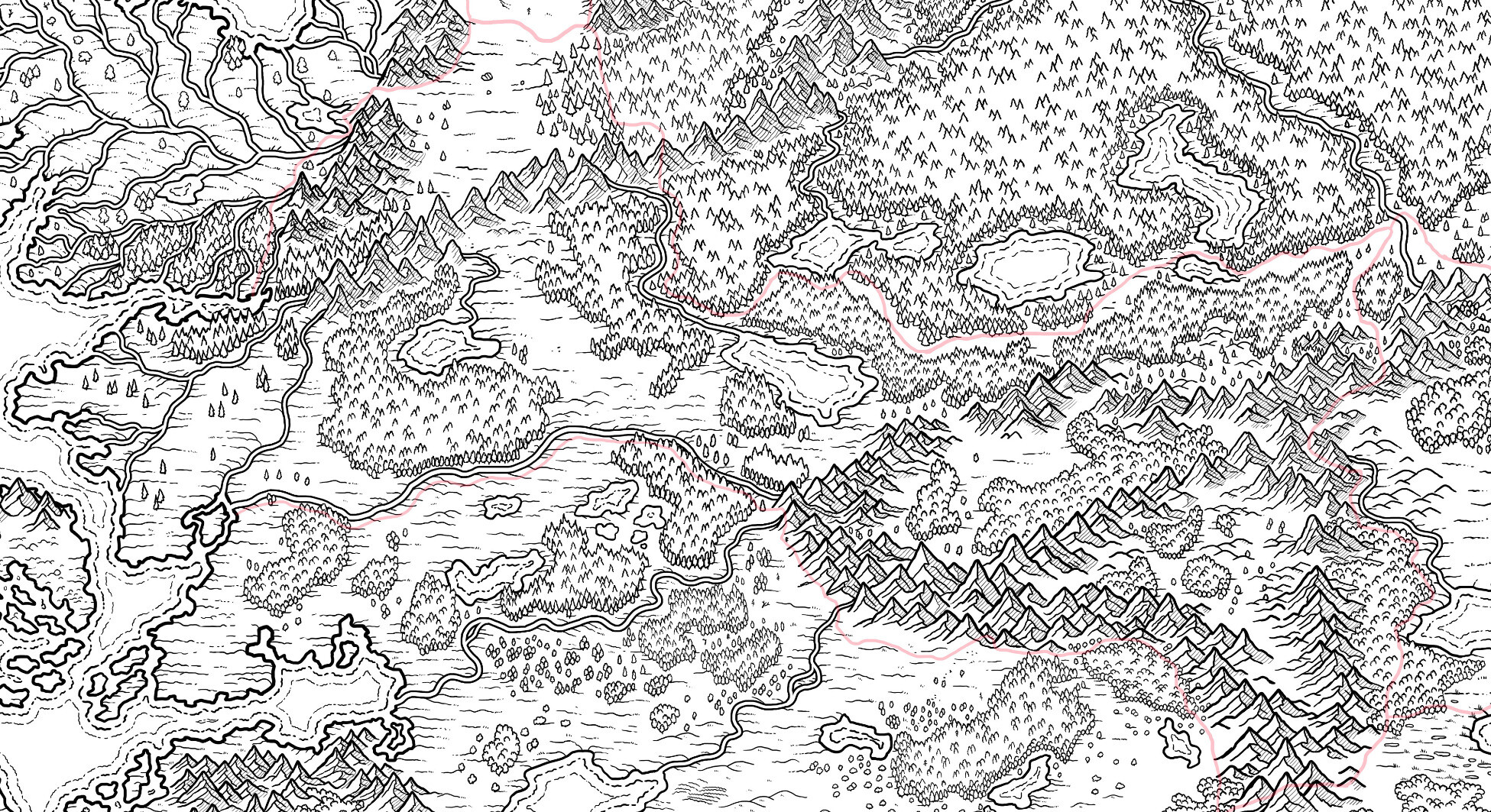
#cartography

See tagged statuses in the local bookrastinating.com community

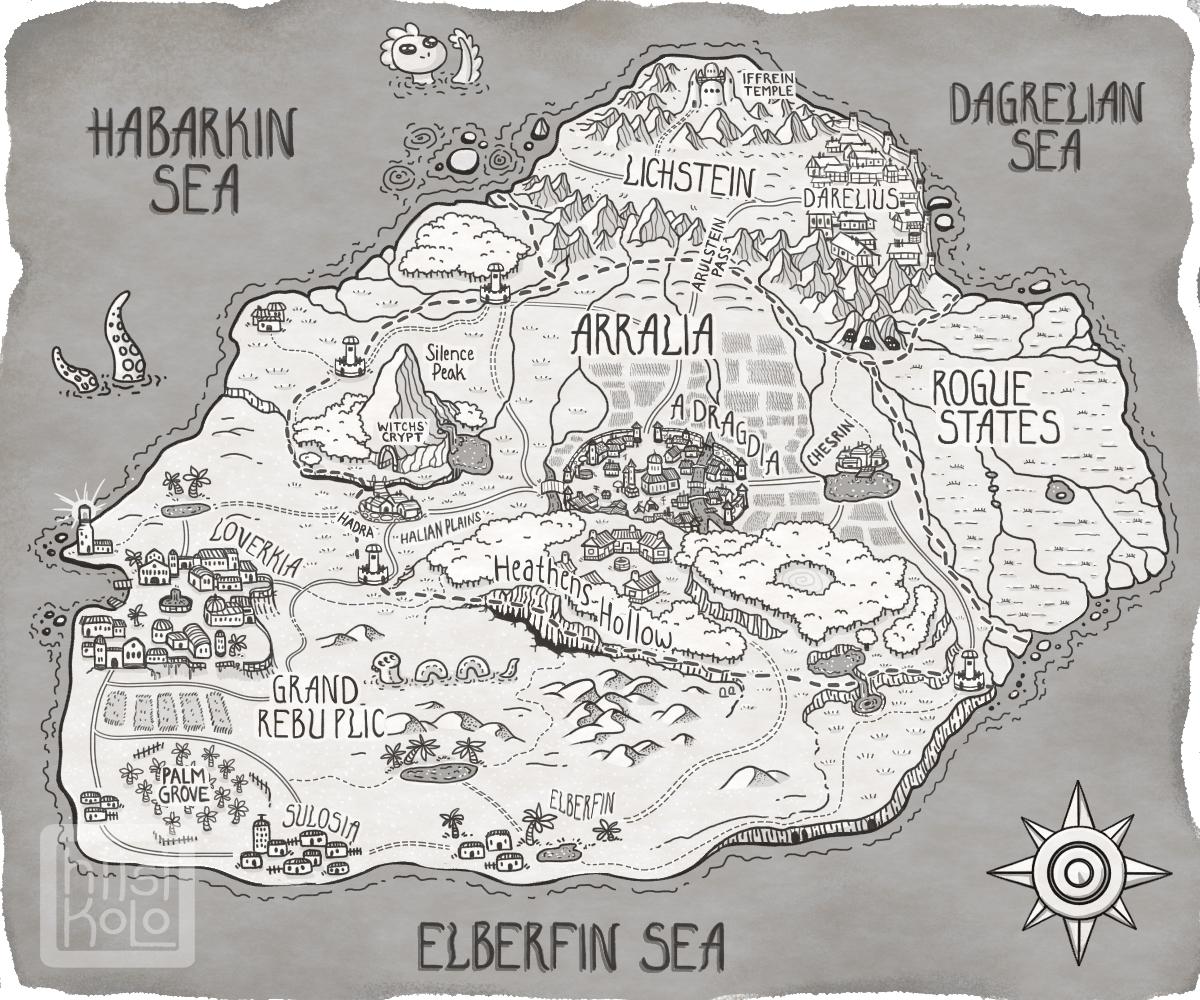
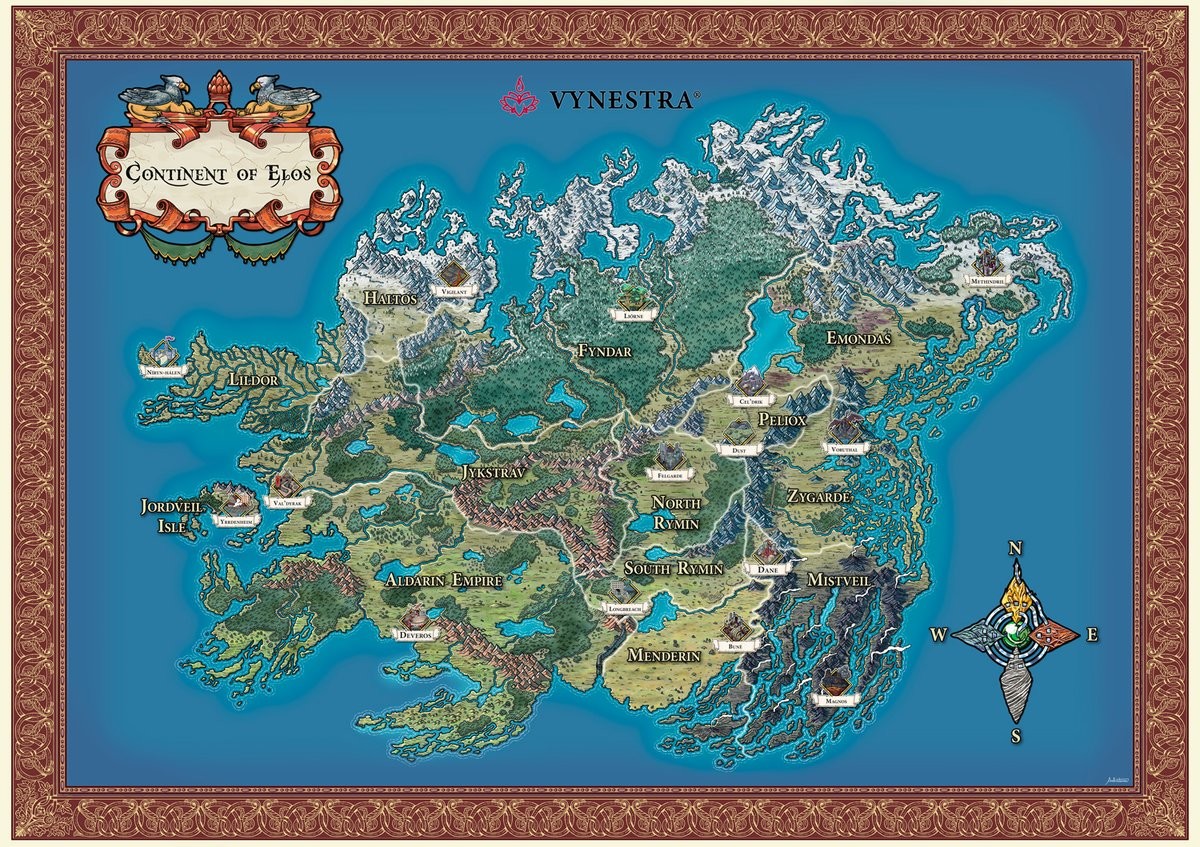
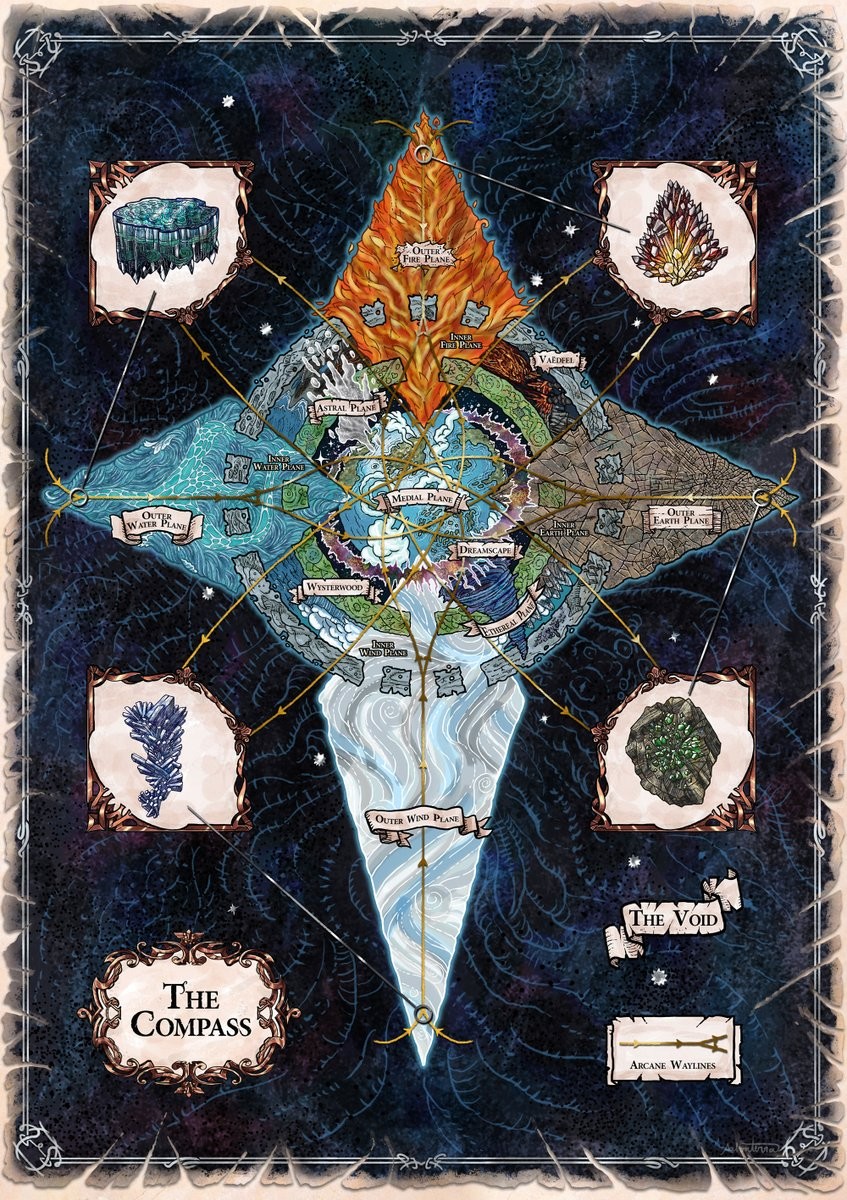
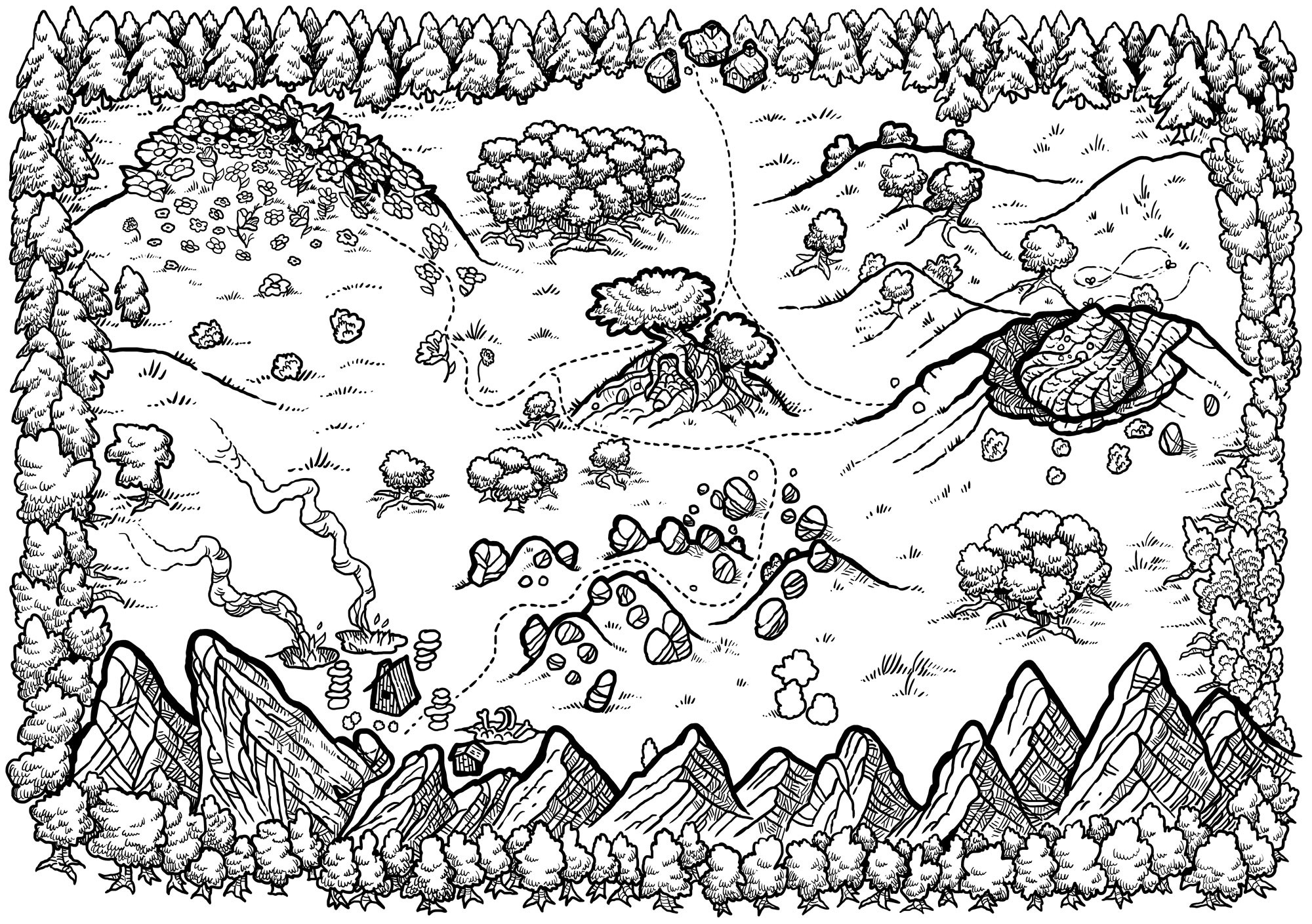
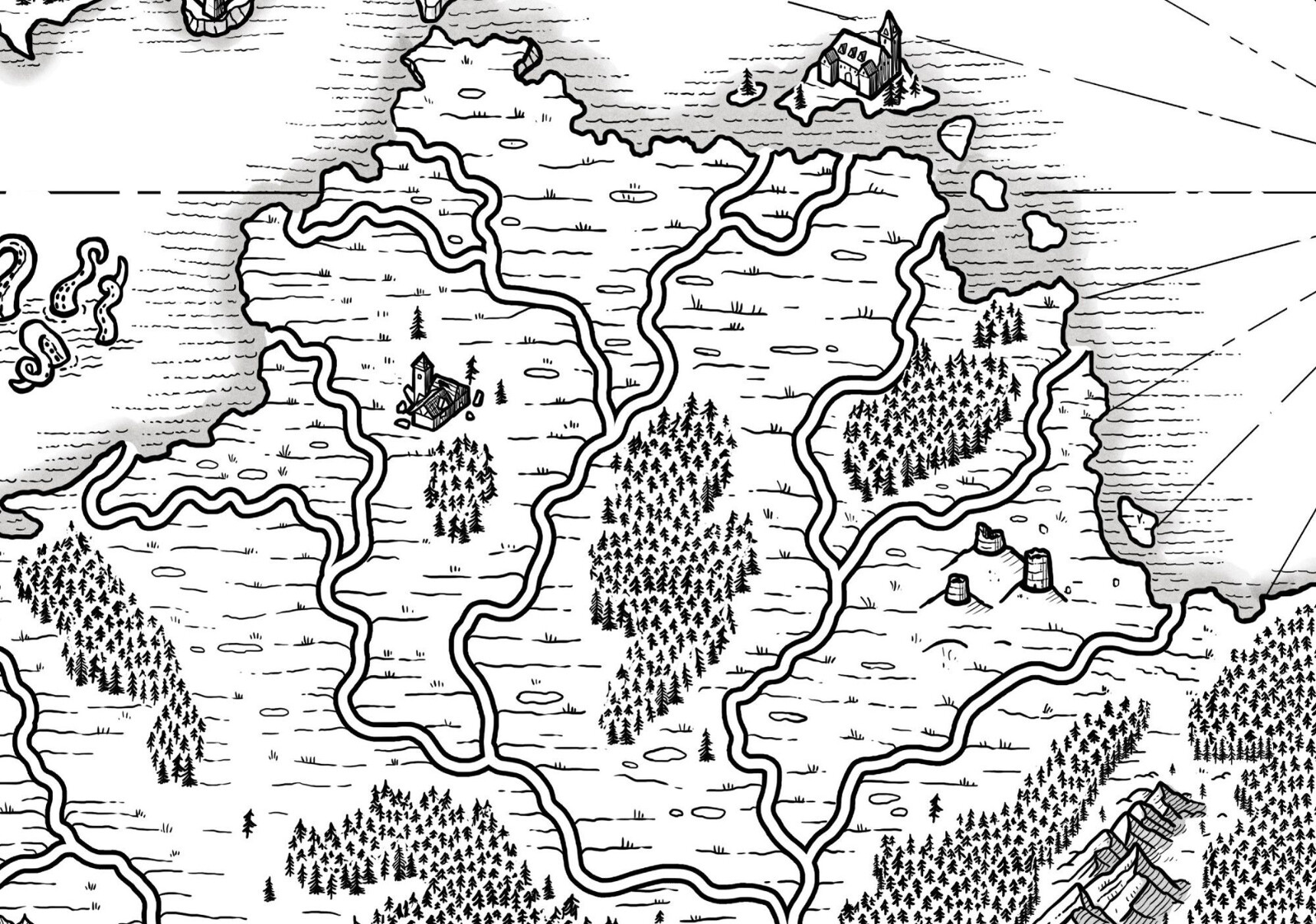
I made a little poll to my Ko-Fi about whether I should make there a dedicated Fantasy Map Commissions Slot option with 4 different tiers.

Go there and answer to it, or leave me a comment below what you think - and would you buy a custom, digitally hand drawn, map for yourself?

Contact: hiisikoloart@gmail.com if you are interested!

https://ko-fi.com/polls/Fantasy-Map-Commissions-Page-Q5Q319UD13

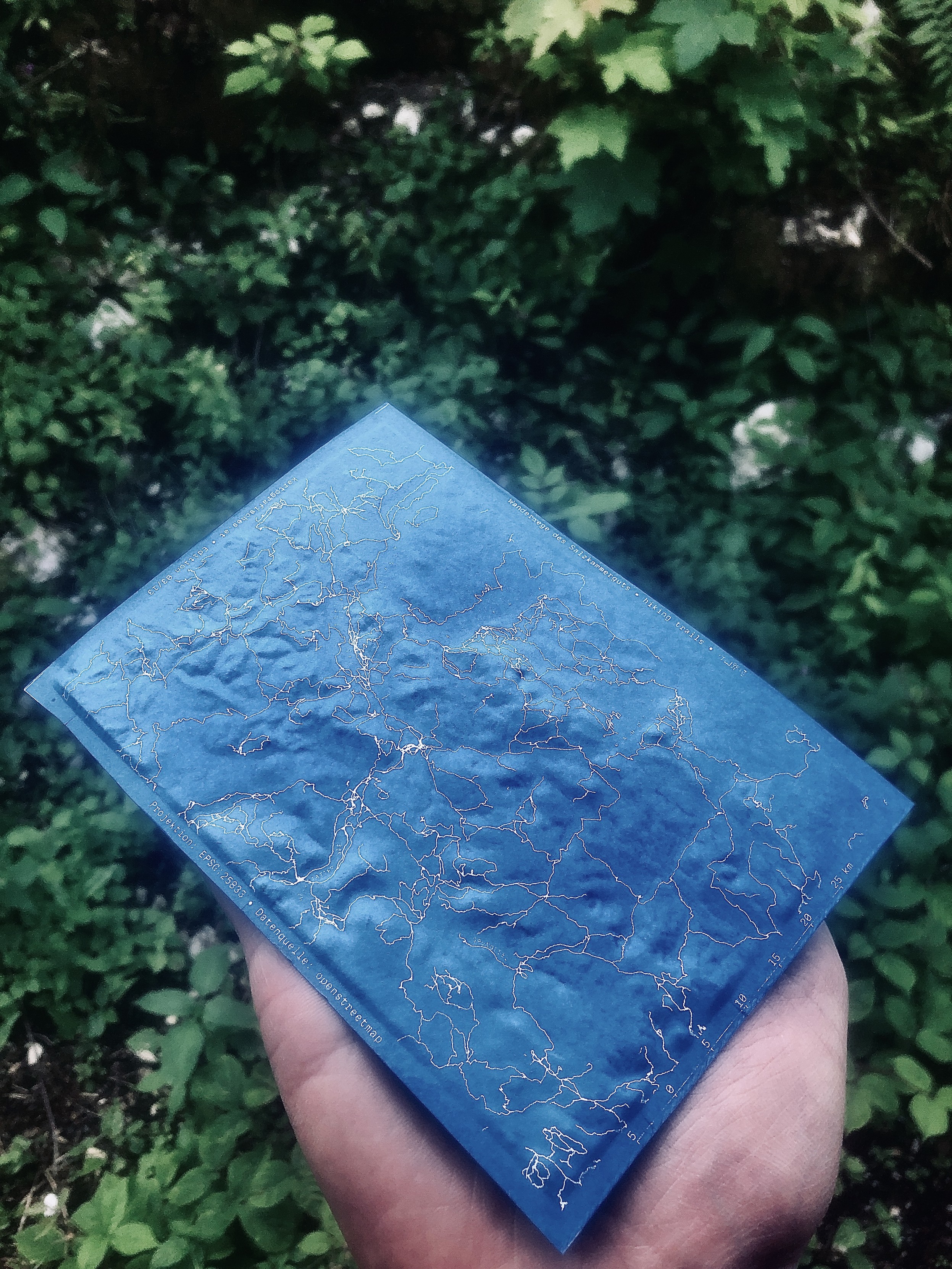
Here's one more of my handprinted and embossed postcard maps. The white lines are hiking trails in the region of the Austrian Salzkammergut. The lines are screenprinted and the landscape embossed with a letterpress machine and a 3d printed cliché.

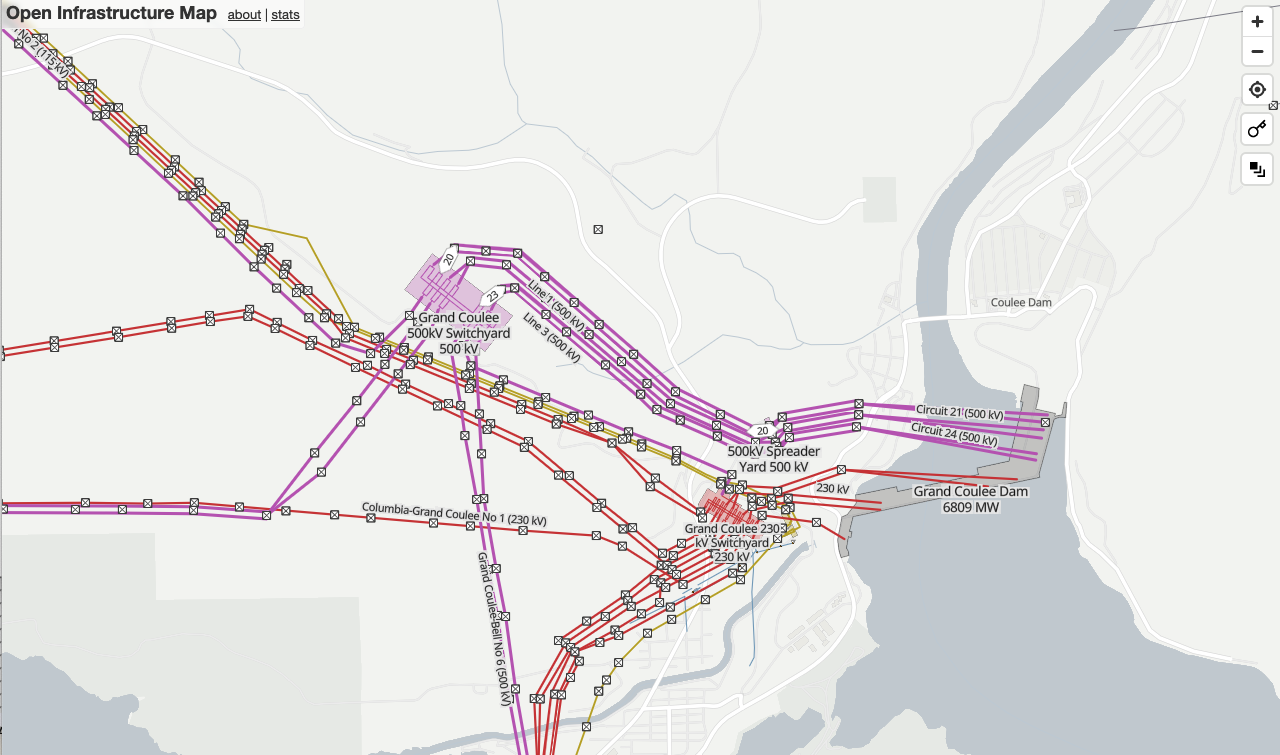
I hadn't visited @OpenInfraMap in a white: it's a pretty impressive custom rendering of power and telecommunication infrastructure in OpenStreetMap.

If you need something new to map in OpenStreetMap, looks like lots of neighborhoods still need to have their power poles mapped! 😳

https://openinframap.org

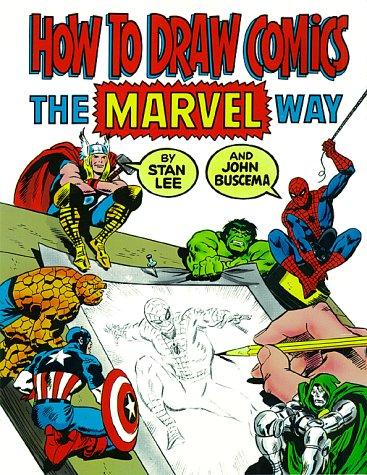
Stan Lee, John Buscema: How to Draw Comics the Marvel Way (Paperback, Fireside) No rating

#Drawing and (digital) #painting is something I often fantasize as a hobby I'd like to take on - if only I had more time. And, given how many art-related books I own, I have fantasized about this a lot.

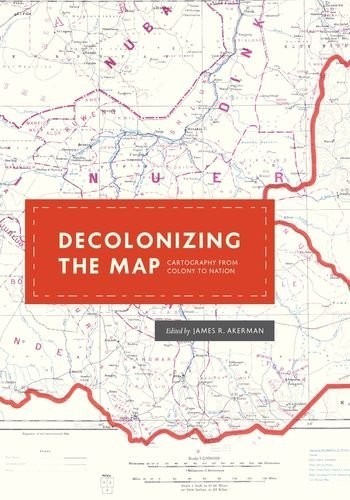
Alas, my time is limited - so I largely limit myself to some #ttrpg #cartography at most...

The Atlas of Atlases: Exploring the Most Important Atlases in History and the Cartographers Who Made Them

This beautiful book is a lavishly illustrated look at the most important atlases in history and the cartographers who made them. Atlases are books that changed the course of history. Pored over by rulers, explorers, and adventures these books were used to build empires, wage wars, encourage diplomacy, and nurture trade.

@bookstodon


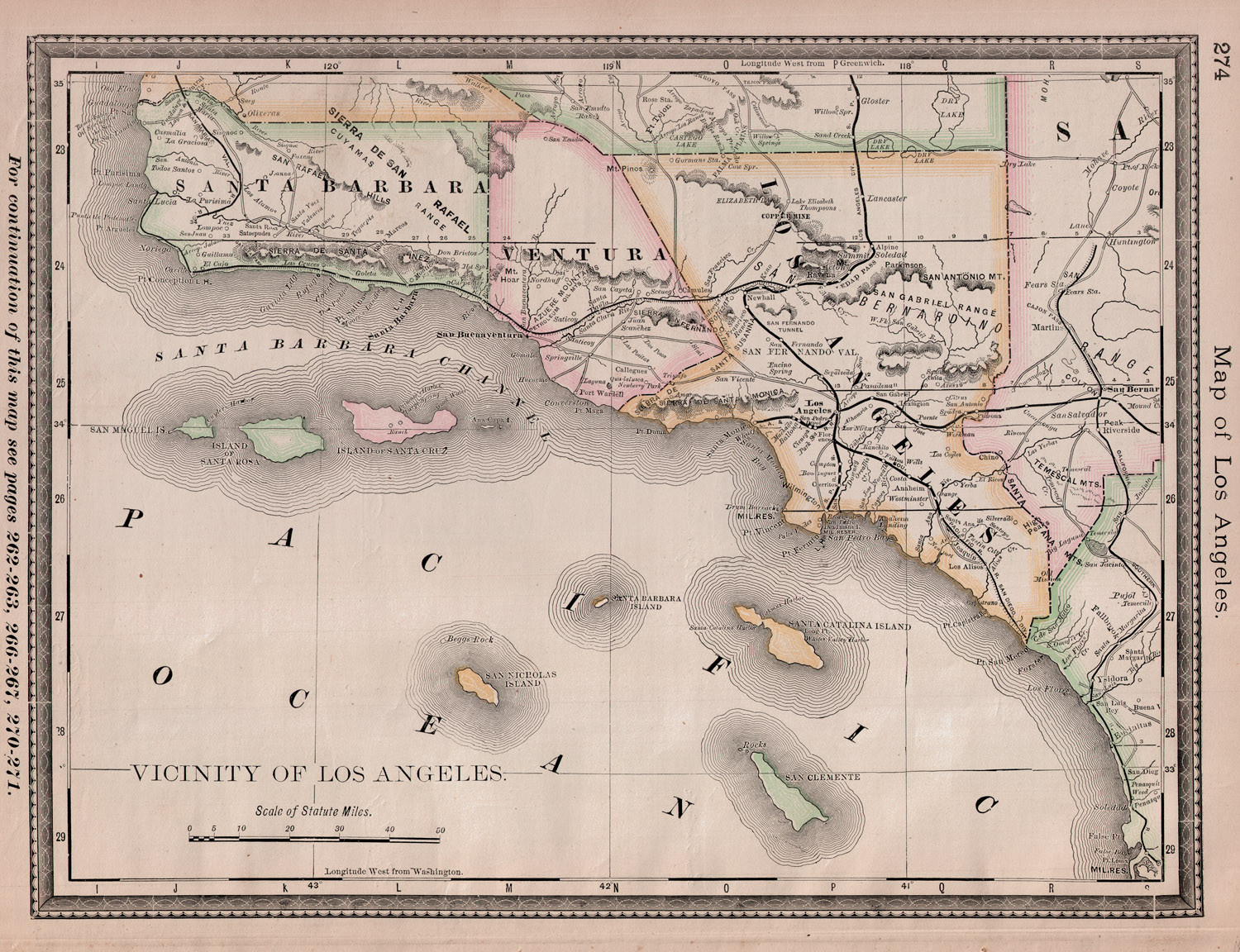
It's not much of a map, but for us, it's a moment of "what could have been".
From 1883, this is a pre-automobile look at Los Angeles and its distinct neighboring towns. It does show the major wagon roads of the time, but those thick black lines were railroads that could take you down to San Diego, into San Bernadino, or even up to Santa Barbara. It's interesting to imagine if the region had developed by rail rather than highway.