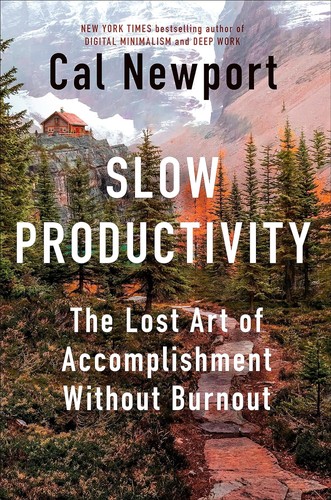
Slow Productivity: The Lost Art of Accomplishment Without Burnout by Cal Newport
Our current definition of “productivity” is broken. It pushes us to treat busyness as a proxy for useful effort, leading …

I'm a creative coder and artist from Germany. Together with some friends, I made a trip through the fediverse: #fedivoyage
My main profile is piko@chaos.social
This link opens in a pop-up window
Our current definition of “productivity” is broken. It pushes us to treat busyness as a proxy for useful effort, leading …
Our current definition of “productivity” is broken. It pushes us to treat busyness as a …
"If books could kill" destroyed this type of book for me... There are a couple of nice ideas, but maaaan do I hate the anecdotes. And even with those it's rather thin. This book could have stayed a blog post.
"If books could kill" destroyed this type of book for me... There are a couple of nice ideas, but maaaan do I hate the anecdotes. And even with those it's rather thin. This book could have stayed a blog post.
Netter Überblick, aber leider schon etwas älter.
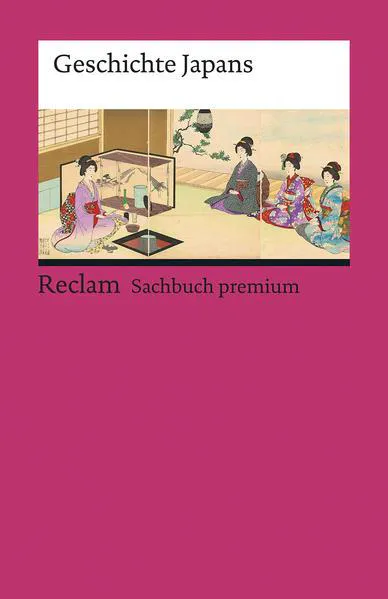
Kurzweilig und interessant! Das erste Kapitel ist das schlechteste, die anderen sind sehr gut.
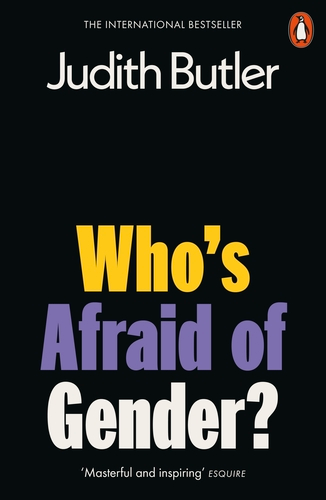
I didn't really understand what they are trying to do with this book. I think, they won't convince the anti-gender people with the text. Maybe it's mainly a collection of thoughts and arguments, a thinking-out-loud?
I didn't really understand what they are trying to do with this book. I think, they won't convince the anti-gender people with the text. Maybe it's mainly a collection of thoughts and arguments, a thinking-out-loud?
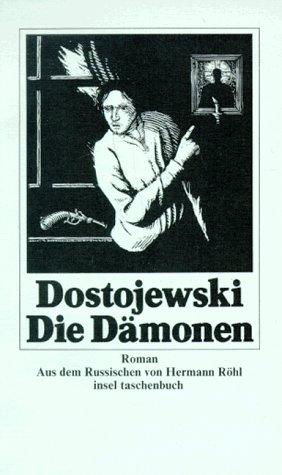
Also known as Demons or The Devils, this is Dostoyevsky’s most political novel. Though critical of the left-wing revolutionaries, …
Also known as Demons or The Devils, this is Dostoyevsky’s most political novel. Though …
Ich mag, wie bei Dostojewski eigentlich keine der Figuren ein richtiger Sympathieträger ist. Alle sind irgendwie schlechte Menschen oder anderweitig problematisch. Teils sind die Intentionen der Figuren auch unverständlich, aber vielleicht sind für Russ*innen den 19. Jahrhunderts einfach andere Sachen selbstverständlich.

Un amanecer de 1945, un muchacho es conducido por su padre a un misterioso lugar oculto en el corazón de …
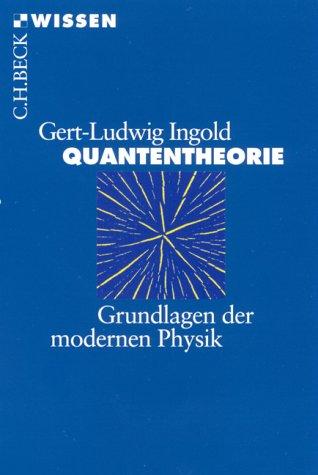
Nicht immer gut erklärt (evtl. der Sache geschuldet), schlecht motivierte Hintergrundgeschichten, die mit dem Rest nicht wirklich was zu tun haben; aber oft erhellend und hängt einen nicht ab. Ich mag das Format dieser CHBeck-Wissen-Reihe gern.
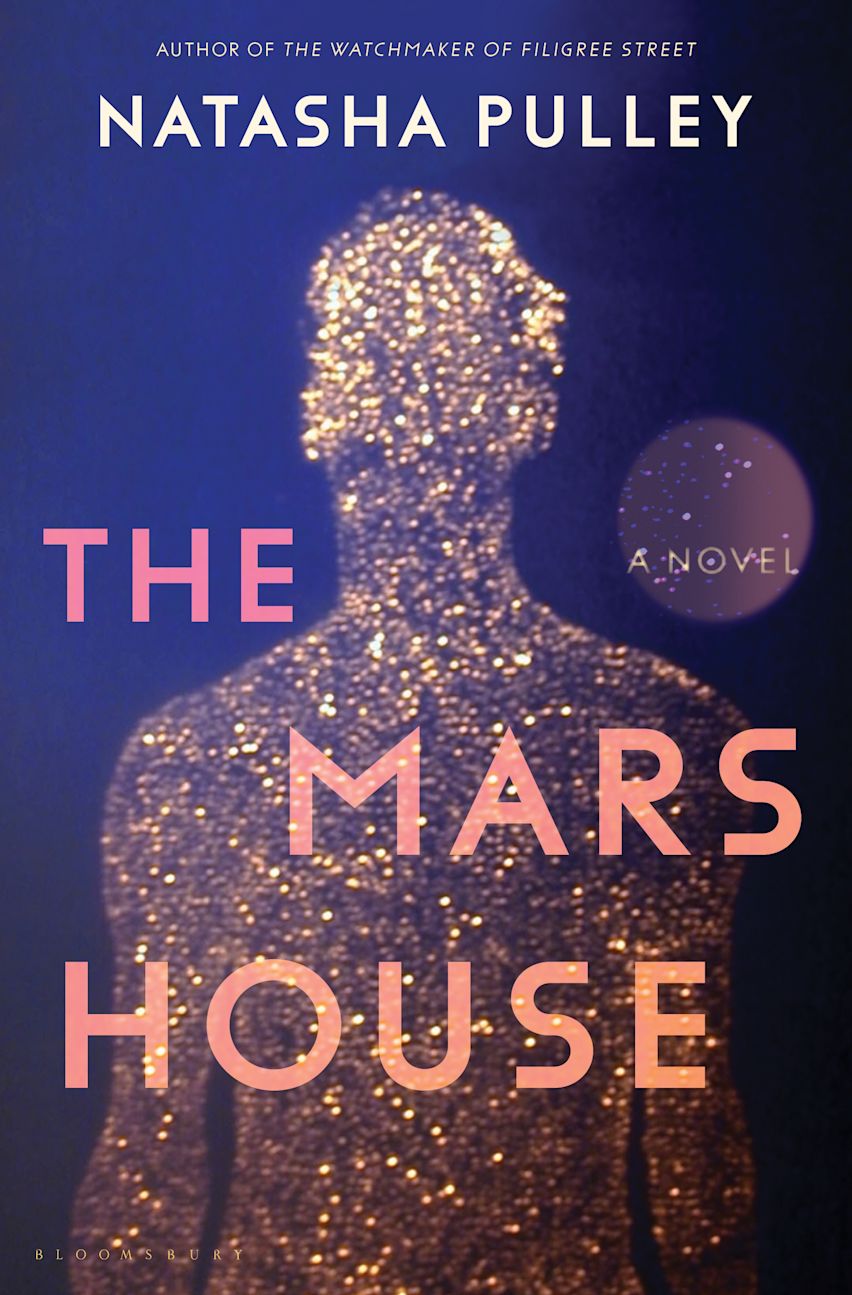
From the author of The Watchmaker of Filigree Street, a queer sci-fi novel about an …
I needed some time to get through the first, but then I read it in two days. It's really long, but didn't feel that way. The ending is a bit weak, but I loved the setting and the characters.
I needed some time to get through the first, but then I read it in two days. It's really long, but didn't feel that way. The ending is a bit weak, but I loved the setting and the characters.

Nicht so super viel Inhalt, aber sehr hübsch und interessant.

Das Buch ist groß gedruckt und die Erzählungen sind sehr kurz. Auf den ersten Blick sind die Geschichten weniger spannend als andere von Borges, weil sie nicht so phantastisch und unterhaltsam wirken, aber sie sind sehr anspielungsreich; leider habe ich praktisch keine der Anspielungen verstanden. Glücklicherweise finden sich im Internet Interpretationen und Hintergründe zu den Geschichten; es ist sehr sinnvoll diese jeweils dazu zu lesen, so wird dann aus einer Beschreibung von zwei Dudes, die irgendwie Smalltalk halten, ein sehr hintergründiger, mehrschichtiger Text.
Das Buch ist groß gedruckt und die Erzählungen sind sehr kurz. Auf den ersten Blick sind die Geschichten weniger spannend als andere von Borges, weil sie nicht so phantastisch und unterhaltsam wirken, aber sie sind sehr anspielungsreich; leider habe ich praktisch keine der Anspielungen verstanden. Glücklicherweise finden sich im Internet Interpretationen und Hintergründe zu den Geschichten; es ist sehr sinnvoll diese jeweils dazu zu lesen, so wird dann aus einer Beschreibung von zwei Dudes, die irgendwie Smalltalk halten, ein sehr hintergründiger, mehrschichtiger Text.