Cade rated Minor Mage: 4 stars
Minor Mage by T. Kingfisher
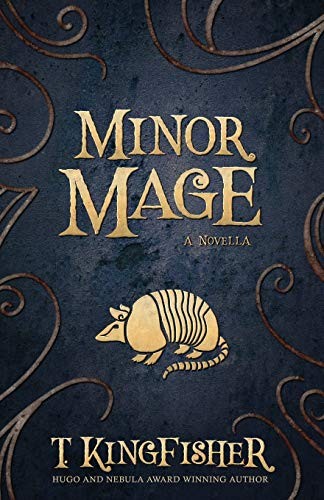
Oliver was a very minor mage. His familiar reminded him of this several times a day.
He only knew …
They/them. I gravitate toward spec fic, sci-fi, fantasy, occasionally horror and/or mystery. I also read a lot of non-fiction, based on recommendations from people I follow and random topics I take a sudden interest in. On Mastodon at anti-social.online/@cade
This link opens in a pop-up window
Oliver was a very minor mage. His familiar reminded him of this several times a day.
He only knew …
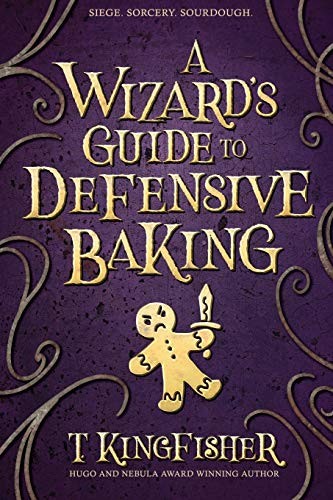
Fourteen year old Mona is a baker but she is also a not-very-powerful wizard - her medium of choice is …
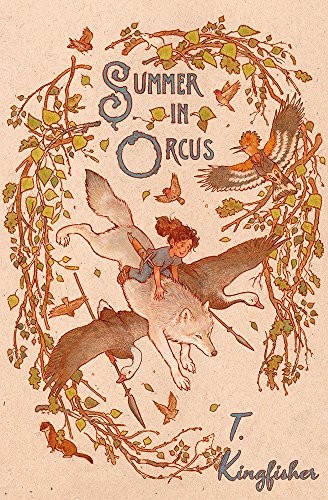
I genuinely love how Kingfisher writes adolescent children. They are never stupid or naive, but they still possess innocence and have much to learn. If you liked A Wizard's Guide to Defensive Baking, I think you'll like this.
My one complaint - did it really need to be Baba Yaga who got the whole magical journey started? Why her? Look, I don't want to say that people who are not of Rus or Slav descent (or other culture with stories about Baba Yaga) can't use her in their novels, but it always seems like they make her into generic crone witch instead of tapping into what makes her so unique.
I genuinely love how Kingfisher writes adolescent children. They are never stupid or naive, but they still possess innocence and have much to learn. If you liked A Wizard's Guide to Defensive Baking, I think you'll like this.
My one complaint - did it really need to be Baba Yaga who got the whole magical journey started? Why her? Look, I don't want to say that people who are not of Rus or Slav descent (or other culture with stories about Baba Yaga) can't use her in their novels, but it always seems like they make her into generic crone witch instead of tapping into what makes her so unique.
A map for a liberating journey toward a more meaningful life—a journey that begins where …
I'm going to come back to it after tackling some of these other books.
I'm going to come back to it after tackling some of these other books.
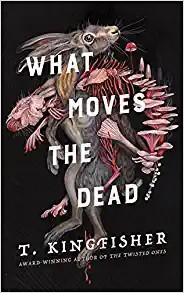
From T. Kingfisher, the award-winning author of The Twisted Ones, comes What Moves the Dead, a gripping and atmospheric retelling …
From T. Kingfisher, the award-winning author of The Twisted Ones, comes What Moves the Dead, …
I feel like I need to reread the original Poe story before I can give thoughts.
It's interesting to compare this to the Fall of the House of Usher TV show on Netflix. That version of Madeline and Roderick, which I loved, are so, so different, it's hard to believe they have the same origin.
I feel like I need to reread the original Poe story before I can give thoughts.
It's interesting to compare this to the Fall of the House of Usher TV show on Netflix. That version of Madeline and Roderick, which I loved, are so, so different, it's hard to believe they have the same origin.

The average human lifespan is absurdly, outrageously, insultingly brief: if you live to 80, you …
I have a lot of thoughts about this book, so I will probably purchase a copy to reread and write a post about.
Fourteen year old Mona is a baker but she is also a not-very-powerful wizard - …
r/fantasy recommended this a lot and I can see why. Most authors make 14 year olds too mature or not mature enough; I think Ms. Kingfisher got it right in Mona. I look forward to reading more from her.

From two of TIME's 100 Most Influential People in AI, what you need to know …
This is a pretty good primer on a few different AI technologies by experts in the field who are generally positive about AI development. It provided a good contrast to the (well-researched) generally negative videos and articles I had seen on the topic so far.
The best part of the book is the extended metaphor in the introduction, comparing the term "AI" to the term "vehicle". Vehicle is a category covering everything from bikes to trucks to space rockets to boats, but if we didn't have separate terms for all those things, we couldn't have meaningful conversations about them, especially their benefits and harms. This is one of the big problems we are running into with discussing "AI" now.
I found the section on predictive AI excellent. It's essentially the core of the book and was really informative since I knew next to nothing about that.
On …
This is a pretty good primer on a few different AI technologies by experts in the field who are generally positive about AI development. It provided a good contrast to the (well-researched) generally negative videos and articles I had seen on the topic so far.
The best part of the book is the extended metaphor in the introduction, comparing the term "AI" to the term "vehicle". Vehicle is a category covering everything from bikes to trucks to space rockets to boats, but if we didn't have separate terms for all those things, we couldn't have meaningful conversations about them, especially their benefits and harms. This is one of the big problems we are running into with discussing "AI" now.
I found the section on predictive AI excellent. It's essentially the core of the book and was really informative since I knew next to nothing about that.
On the other hand, because I already had learned a lot about generative AI (language models, image generators, etc.), that part of the book wasn't too helpful to me and I skimmed a lot of it.
As someone who's been a little overly privacy obsessed, I already had done most of what this book suggested, so it wasn't for me. I could see it being a good intro for someone who was just beginning to think about digital privacy, though.
As someone who's been a little overly privacy obsessed, I already had done most of what this book suggested, so it wasn't for me. I could see it being a good intro for someone who was just beginning to think about digital privacy, though.
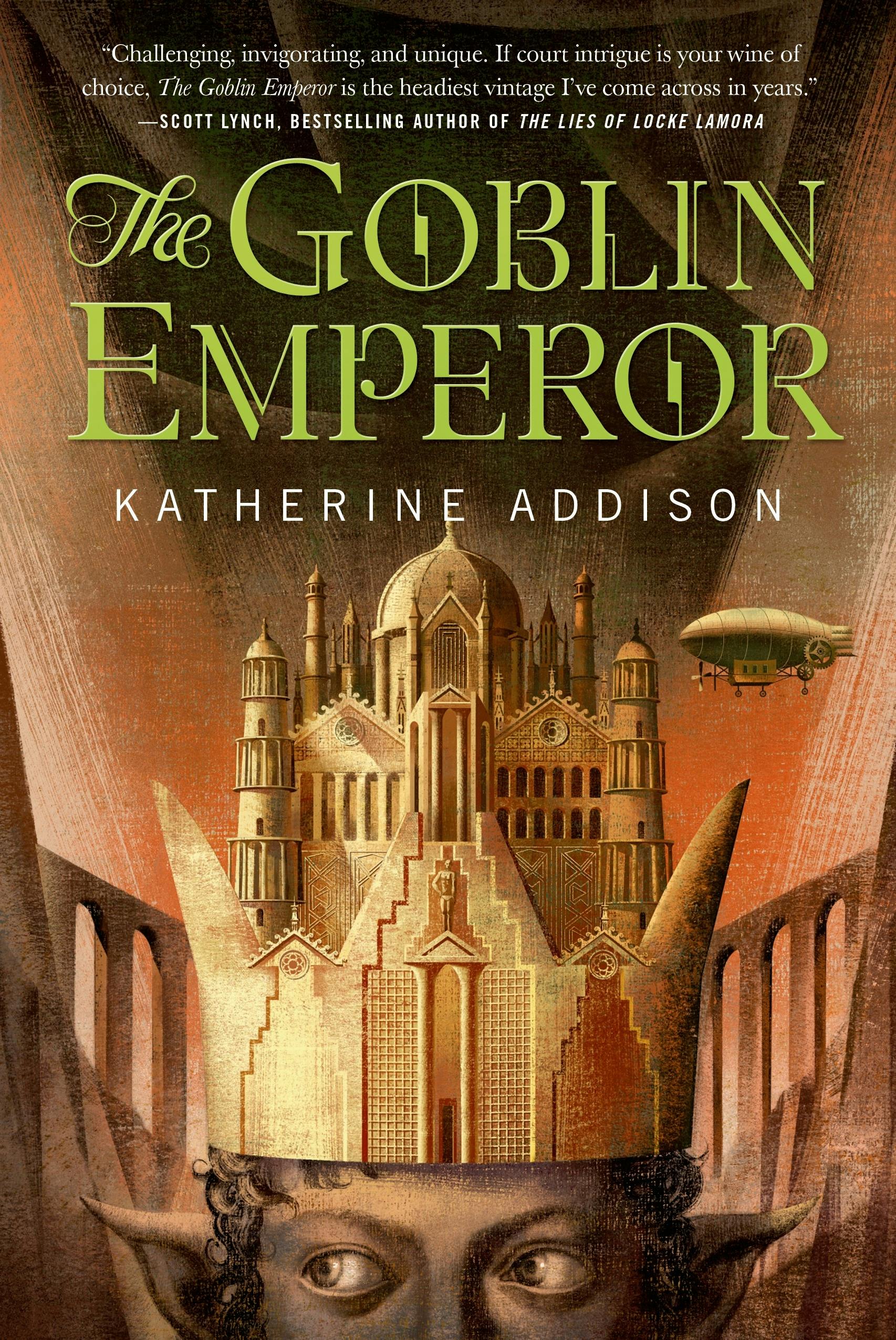
A vividly imagined fantasy of court intrigue and dark magics in a steampunk-inflected world, by …
Best example of courtly political intrigue in a fantasy novel? If not the best, easily top five. I can see why Addison chose to write about another character in her next novel in this world, though. She created a fascinating and developed elvish steampunk world, and we only get to see a small bit of it because main character Maia is stuck in a handful of locations that are mostly ancient buildings. Also I appreciate her showing how boring the everyday actions of governance can be.
Bonus points for accurate use of the English formal and informal first- and second-person tense. Thee and thy isn't formal just because it's archaic, y'all. The narrative indicates that in these elves' language plural and formal would be different, unlike in English, but I was able to follow when it was the former and when it was the latter.
Best example of courtly political intrigue in a fantasy novel? If not the best, easily top five. I can see why Addison chose to write about another character in her next novel in this world, though. She created a fascinating and developed elvish steampunk world, and we only get to see a small bit of it because main character Maia is stuck in a handful of locations that are mostly ancient buildings. Also I appreciate her showing how boring the everyday actions of governance can be.
Bonus points for accurate use of the English formal and informal first- and second-person tense. Thee and thy isn't formal just because it's archaic, y'all. The narrative indicates that in these elves' language plural and formal would be different, unlike in English, but I was able to follow when it was the former and when it was the latter.
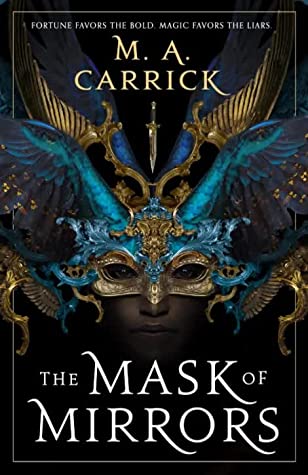
Fortune favors the bold. Magic favors the liars.
Ren is a con artist who …
Content warning Mild spoilers, nothing plot specific
The worldbuilding in this novel was top notch. It's tough to make a world with different cultures feel authentic and lived in, and to show how an oppressed people survives and maintains their culture when dominated by another ethnicity and culture. I can tell this world started as a TTRPG setting by very devoted and thorough GMs.
Halfway the novel pivots from political drama with romance elements in a fantasy setting to a magical action thriller. It was a little jarring. But the political half was weaker than the action half so I was glad for the change. For example, one of Ren's early schemes comes together mostly in the background; it felt like the novel was telling me to be impressed with her acumen and skill without showing her doing the legwork. I actually flipped back to make sure I hadn't missed anything, and no. It just happened and then was explained after. Minor gripe, didn't detract from the rest of the novel.
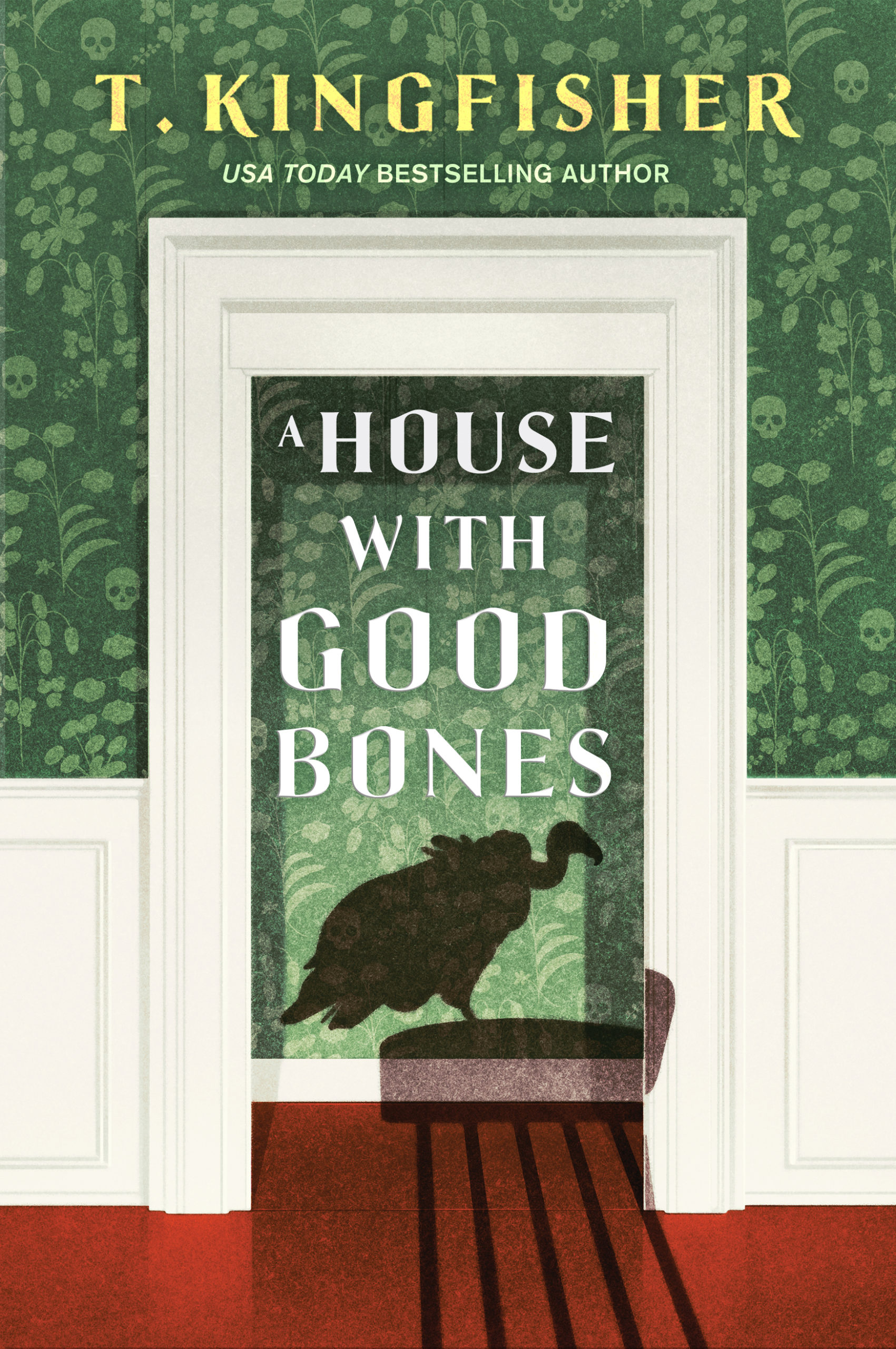
A haunting Southern Gothic from an award-winning master of suspense, A House With Good Bones …
Recommended by the Quill to Live newsletter: thequilltolive.com/2023/03/21/a-house-with-good-bones-youre-buggin/