73ms wants to read The Thing with Feathers by Noah K. Strycker
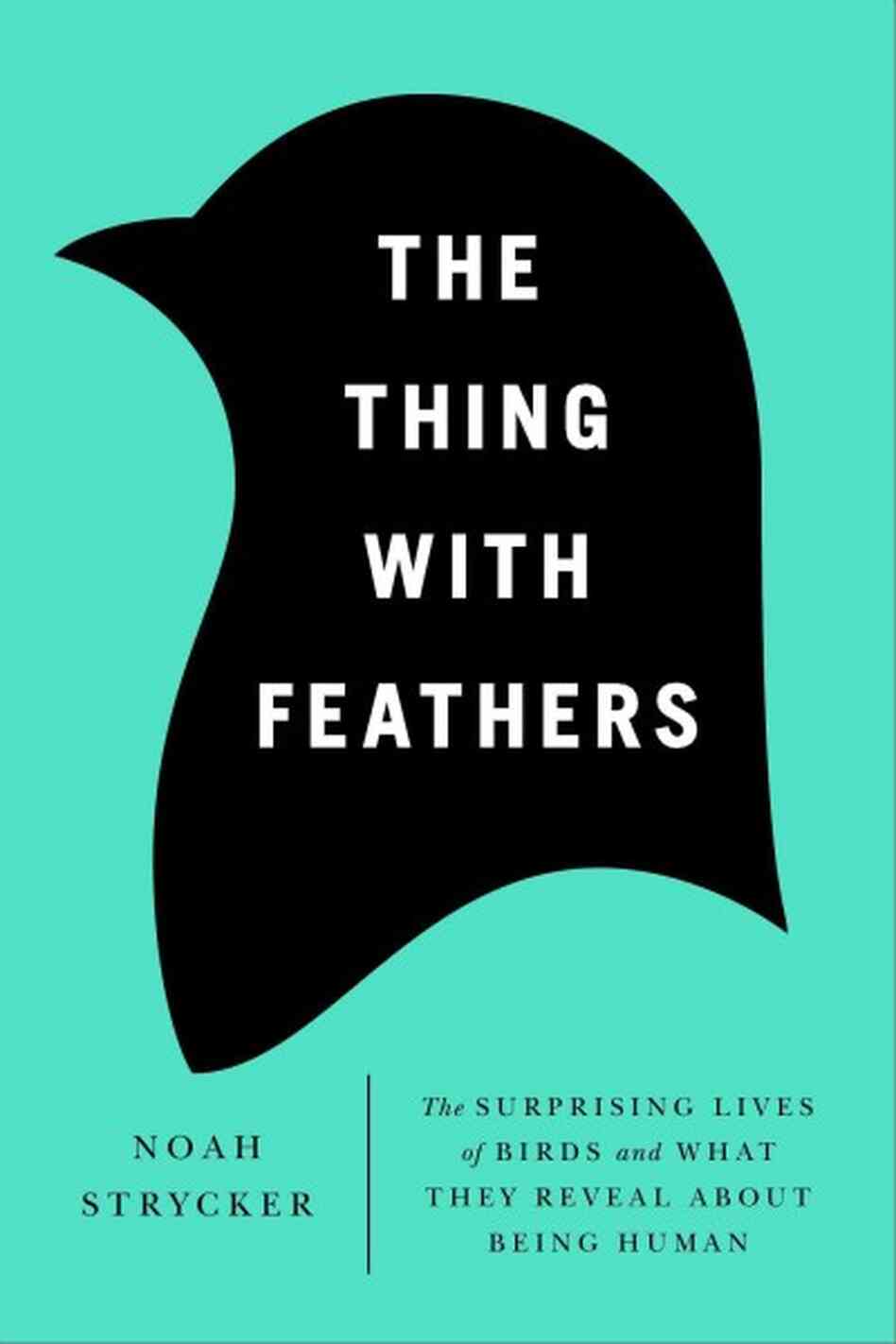
"The Thing with Feathers by Noah Strycker is a fun and profound look at the …
Recommended by Anil Seth in Being You

This link opens in a pop-up window
"The Thing with Feathers by Noah Strycker is a fun and profound look at the …
Recommended by Anil Seth in Being You
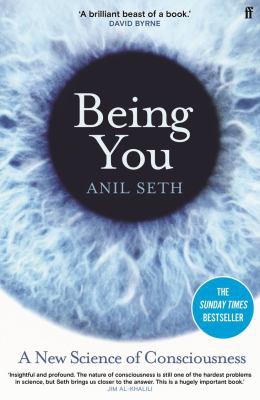
Excellent book that presents a good overview of the state of the field and a compelling but yet to be confirmed theory of consciousness.
This is my final note and covers more chapters than the previous ones. Anil Seth proceeds to make a case for how our brain works by using Bayesian inference to make predictions of what both external and internal sensory inputs are going to be as well as actively influencing our subjective experience in order to make those predictions become real. In this way he explains how every part of our conscious experience ranging from external stimuli resulting in the perception of physical objects to our internal emotional states (the conscious experience of fear arises from rising blood pressure and other changes the body makes in response to a danger instead of the other way around for example) and even just the fundamental feeling of a self existing may be a "controlled/controlling hallucination" driven by this process. He also attempts to tie all of this into Karl Friston's Free Energy Principle …
This is my final note and covers more chapters than the previous ones. Anil Seth proceeds to make a case for how our brain works by using Bayesian inference to make predictions of what both external and internal sensory inputs are going to be as well as actively influencing our subjective experience in order to make those predictions become real. In this way he explains how every part of our conscious experience ranging from external stimuli resulting in the perception of physical objects to our internal emotional states (the conscious experience of fear arises from rising blood pressure and other changes the body makes in response to a danger instead of the other way around for example) and even just the fundamental feeling of a self existing may be a "controlled/controlling hallucination" driven by this process. He also attempts to tie all of this into Karl Friston's Free Energy Principle which he gives a brief explanation of and views as consistent with his theory of consciousness.
Next the author gives his views on free will and an explanation for how the experience of free will fits into his theory. He attempts to sidestep the question of whether free will is an illusion by saying his theory works whether the universe is deterministic or not but also rejects a "ghost free will" that would somehow not be bound by the physical laws of the universe and would be making decisions independent of causality. He acknowledges that responsibility of our actions is a real question but argues for it being enough to establish responsibility that the physical processes in our brains are in control. He does not discuss his reasoning for this at length but it seems like some type of a compatibilist view.
I do think Seth makes a compelling argument that our decisions are still "ours" because they are ones that only we and the particular animal-machine we are could have made even if we could not really have done otherwise and they follow directly from the causality of everything that has come before and happened to us. Whether that establishes responsibility for them is another question.
At this point we are pretty much done with the central thesis of the book and the author uses the remaining pages for a discussion of what his views on animal (other than human) consciousness and AI consciousness is. Seth makes a case for most mammals probably being conscious based on the similarity of their brains to ours, behavioral observations etc. He also mentions birds as likely conscious and suggest a response to experiencing pain as a possible marker that an animal is conscious. He gives more examples of things that suggest different animals ranging from fish to ants could be conscious but that there is no conclusive evidence.
I thought he presented an excellent case for the dangers of both anthropomorphism and also anthropocentrism when trying to assess the consciousness of animals. This ties into his assertion that intelligence is a property orthogonal to consciousness and that anthropocentrism has led into us confusing the two. He criticizes AI researchers that make the implicit assumption that an intelligent machine would necessarily also be conscious as a side effect. He suggests that even an intellect superior to our own could be unconscious and that consciousness might be a property that has arisen as a consequence of how life functions and has evolved. He also ponders the difficulties we will face in the future with humans either having to deal with our intuition of attributing consciousness to machines that aren't or the ethical treatment of conscious machines that are very different from ourselves.
Seth argues that consciousness is a controlled hallucination and that "qualia" is just a necessary part of the process by which we interpret the signals from our sensory organs. We necessarily have an internal concept of "chairness" that we apply to sensory inputs that match something that could be a chair but such "chairness" does not exists outside our minds in a similar way to our concept of colors which do not precisely map to any single set of sensory inputs or a certain strictly defined wavelength of light because lighting conditions etc. changes this perception.
This is a part of his argument for why the "hard problem of consciousness" is not a real problem, it is just a question we ask based on our intuitions from what our subjective experience feels like but that intuition is wrong.
Seth argues that consciousness is a controlled hallucination and that "qualia" is just a necessary part of the process by which we interpret the signals from our sensory organs. We necessarily have an internal concept of "chairness" that we apply to sensory inputs that match something that could be a chair but such "chairness" does not exists outside our minds in a similar way to our concept of colors which do not precisely map to any single set of sensory inputs or a certain strictly defined wavelength of light because lighting conditions etc. changes this perception.
This is a part of his argument for why the "hard problem of consciousness" is not a real problem, it is just a question we ask based on our intuitions from what our subjective experience feels like but that intuition is wrong.
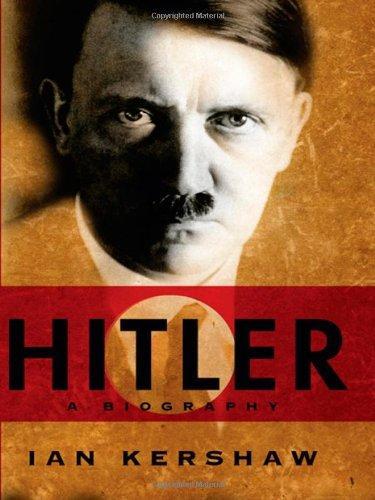
After France fell Nazi Germany was not sure what should be the next campaign. Operation Sealion which would have meant an invasion of Great Britain was considered but the Luftwaffe failing to achieve air superiority in the Battle of Britain was the final nail in the coffin of those already unrealistic plans (Britain also outmatched Germany significantly in naval power, critical for supplying any landing force on the British isles).
Hitler turned to the east and while some of his generals may have privately harbored some concerns about the chances of a victorious campaign about the Soviet Union certainly none of them voiced them. Hitler thought it was the right time to attack while Germany was at the height of its power. The belief that the war would be over in 4 months was of course completely unrealistic, German intelligence underestimated what the Russians had badly and the Germans …
After France fell Nazi Germany was not sure what should be the next campaign. Operation Sealion which would have meant an invasion of Great Britain was considered but the Luftwaffe failing to achieve air superiority in the Battle of Britain was the final nail in the coffin of those already unrealistic plans (Britain also outmatched Germany significantly in naval power, critical for supplying any landing force on the British isles).
Hitler turned to the east and while some of his generals may have privately harbored some concerns about the chances of a victorious campaign about the Soviet Union certainly none of them voiced them. Hitler thought it was the right time to attack while Germany was at the height of its power. The belief that the war would be over in 4 months was of course completely unrealistic, German intelligence underestimated what the Russians had badly and the Germans lacked a clear overall plan. Initial successes increased optimism but this would soon change...
After repeated appeasement efforts that the third reich used to take Saar, Austria, Sudetenland and the rest of Czechoslovakia Hitler and his generals were apparently convinced that France and Great Britain would do nothing even if the Nazi armies would roll over to take Poland despite clear messaging that this would not be the case as well as Roosevelt seeking assurances that Hitler would not invade other countries in the future. They did see a war against Britain as inevitable at this point but thought it could erupt only around 42-43.
In reality the western powers had finally had enough and the invasion of Poland resulted in France and Great Britain declaring war. They were unable to help Poland and what became known as the "phony war" would still last for many months with little direct engagements between the two sides.
Historigraph on YT does make a good …
After repeated appeasement efforts that the third reich used to take Saar, Austria, Sudetenland and the rest of Czechoslovakia Hitler and his generals were apparently convinced that France and Great Britain would do nothing even if the Nazi armies would roll over to take Poland despite clear messaging that this would not be the case as well as Roosevelt seeking assurances that Hitler would not invade other countries in the future. They did see a war against Britain as inevitable at this point but thought it could erupt only around 42-43.
In reality the western powers had finally had enough and the invasion of Poland resulted in France and Great Britain declaring war. They were unable to help Poland and what became known as the "phony war" would still last for many months with little direct engagements between the two sides.
Historigraph on YT does make a good case for the Phony war being somewhat of a misnomer because while much wasn't happening on land in central europe there was still war at sea and in other places like Norway/Finland.
Even Hitler didn't start out thinking he'd begin a world war. He thought German dominance (and "lebensraum") would only be gained in the long term and that he would only start the process himself at first. Gradually he got emboldened because the western powers let him take more and more. If one is to believe Kershaw's account, Churchill's lesson of appeasement being the problem definitely rings true. Hitler didn't even start out thinking he was to be a leader...
Chamberlain's words about thinking he could trust Hitler to keep his word also remind me of Bush talking about getting a sense of Putin's soul...
Even Hitler didn't start out thinking he'd begin a world war. He thought German dominance (and "lebensraum") would only be gained in the long term and that he would only start the process himself at first. Gradually he got emboldened because the western powers let him take more and more. If one is to believe Kershaw's account, Churchill's lesson of appeasement being the problem definitely rings true. Hitler didn't even start out thinking he was to be a leader...
Chamberlain's words about thinking he could trust Hitler to keep his word also remind me of Bush talking about getting a sense of Putin's soul...
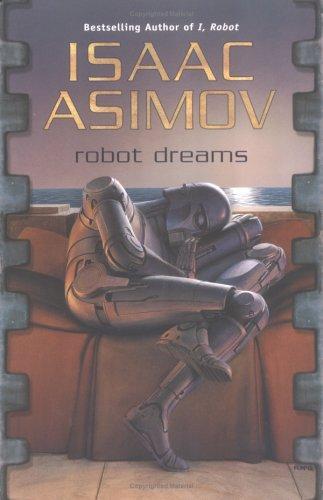
Robot Dreams (1986) is a collection of science fiction short stories by American writer Isaac …
Finished "Hostess". Concept was interesting enough but the social aspects of this one really seemed dated. The ending also wasn't very satisfying.
"Breeds there a man...?" I found significantly better.
Finished "Hostess". Concept was interesting enough but the social aspects of this one really seemed dated. The ending also wasn't very satisfying.
"Breeds there a man...?" I found significantly better.

On the lecture about some incompatibilist views like epiphenomenalism, the buddhist concept of no-self.
Epiphenomenalism claims that our conscious experience of making decisions or even feeling pain when touching a needle is just a side effect and has not relevance to the actions such as pulling your hand away from the needle. This view does not depend on whether determinism is true. A reduced and probably more plausible claim would be that this only applies to the way we make decisions.
In Buddhist philosophy the concept of no-self claims that the self is just an illusion, there is nothing that could be called a persisting self choosing and acting from moment to moment, there is just a sequence of connected events in the mind, prior ones causing the subsequent ones. This also does not require determinism at least beyond the mind itself.
On the lecture about some incompatibilist views like epiphenomenalism, the buddhist concept of no-self.
Epiphenomenalism claims that our conscious experience of making decisions or even feeling pain when touching a needle is just a side effect and has not relevance to the actions such as pulling your hand away from the needle. This view does not depend on whether determinism is true. A reduced and probably more plausible claim would be that this only applies to the way we make decisions.
In Buddhist philosophy the concept of no-self claims that the self is just an illusion, there is nothing that could be called a persisting self choosing and acting from moment to moment, there is just a sequence of connected events in the mind, prior ones causing the subsequent ones. This also does not require determinism at least beyond the mind itself.
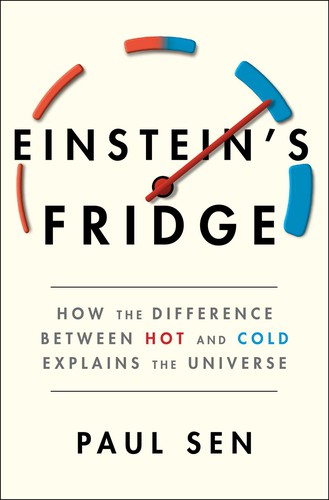
Saw @helenczerski@fediscience.org toot about this on the history of thermodynamics and I have to get it eventually.
Robot Dreams (1986) is a collection of science fiction short stories by American writer Isaac …
The story that shares its title with the book was excellent.
The narrator of the audio edition I am listening to isn't the best and makes me a little less inclined to choose this one for a listening session unfortunately but it's not something that would stop me from enjoying a work so I'll definitely keep going.
The story that shares its title with the book was excellent.
The narrator of the audio edition I am listening to isn't the best and makes me a little less inclined to choose this one for a listening session unfortunately but it's not something that would stop me from enjoying a work so I'll definitely keep going.
Another one that I started a long time ago already but recently continued.
Finished the first part. It was interesting to learn about Perturbational Conscious Index (#PCI) or "zap and zip". This is a method of assessing the level of consciousness present by sending a magnetic pulse (#TMS) to an area of the brain and then recording the brain activity as the pulse spreads out. Then the algorithmic complexity of the measured activity is assessed with #LZW compression. Sort of like throwing a rock into a pond and looking at the waves it causes.
In a vegetative state, under anesthesia or in dreamless sleep there is almost no activity resulting from this while the results are very close to equal between a person in REM sleep or fully awake. The method also shows a lower measurement for someone in a minimally conscious state. Psychedelics tend to increase the activity even more compared to a normally functioning, fully awake …
Finished the first part. It was interesting to learn about Perturbational Conscious Index (#PCI) or "zap and zip". This is a method of assessing the level of consciousness present by sending a magnetic pulse (#TMS) to an area of the brain and then recording the brain activity as the pulse spreads out. Then the algorithmic complexity of the measured activity is assessed with #LZW compression. Sort of like throwing a rock into a pond and looking at the waves it causes.
In a vegetative state, under anesthesia or in dreamless sleep there is almost no activity resulting from this while the results are very close to equal between a person in REM sleep or fully awake. The method also shows a lower measurement for someone in a minimally conscious state. Psychedelics tend to increase the activity even more compared to a normally functioning, fully awake brain.
An alternative is to just record the brain activity over time but this is not as useful as PCI in one respect. According to Integrated information theory (#IIT), an important measure besides just the algorithmic complexity (amount of information) is the level of integration of information. PCI is able to measure this in some way while simply recording brain activity is not.

An effortlessly rich and lyrical mystery wrapped in a love story that bends space, time, …
Even if not something I'll keep coming back to this was a fairly enjoyable read or rather listen to me because it was an audio edition. The narration by Xe Sands was excellent and added to the dreamy way the book is written. That style is also what I enjoyed the most about it and the mix of Sci-Fi and fantasy works as part of that even if it isn't really something I seek out personally.
When it comes to the story I did not find it satisfying in the end as many questions were left unanswered. The protagonist was the one character that didn't stay distant but I didn't really understand how she could just brush aside everything that happened to her during the story either. There were some interesting Sci-Fi ideas that made enough sense for me not to be annoyed by any of those elements but …
Even if not something I'll keep coming back to this was a fairly enjoyable read or rather listen to me because it was an audio edition. The narration by Xe Sands was excellent and added to the dreamy way the book is written. That style is also what I enjoyed the most about it and the mix of Sci-Fi and fantasy works as part of that even if it isn't really something I seek out personally.
When it comes to the story I did not find it satisfying in the end as many questions were left unanswered. The protagonist was the one character that didn't stay distant but I didn't really understand how she could just brush aside everything that happened to her during the story either. There were some interesting Sci-Fi ideas that made enough sense for me not to be annoyed by any of those elements but overall this was more style than substance in my view.
According to Kershaw the governing parties were headed towards authoritarianism instead of democracy so the Weimar republic really was already failing when #Hitler became chancellor. Couple that with their delusion that Hitler could be controlled and conservatives and president Hindenburg then not opposing the Nazis when they were the only ones that still had the ability to stop him from grabbing power (looking away when the communists and SPD were prevented from participating in the Reichstag) and you had the recipe for the greatest tragedy of the 20th century.