#folklore

See tagged statuses in the local bookrastinating.com community

Revealing my A to Z blogging challenge theme one day early, because it is very fitting for 😊

It's not exactly a surprise: is finally here!

I read 26 epics from around the world. All of them have women heroes. In April, I will blog about each one in detail.

Today I put up a Theme Reveal post with the details of this project, and an intro to women's epics in general.
Read here:
https://multicoloreddiary.blogspot.com/2025/03/a-to-z-challenge-theme-reveal-2025.html?m=1


In Central and Eastern Europe there were numerous reasons why people might become vampires, often through no fault of their own. These could include having red hair (like Cain and Judas apparently had), being born with a caul or being born with teeth. Eating a sheep that had been killed by a wolf or having an animal, especially a cat, walk on your grave could also place you among the undead. For this reason, pets were often kept indoors during funerals. Vampirism could result from being born a seventh child or being born to a mother who neglected to put salt on her food. Having blue eyes in areas where brown eyes were more common - or vice versa - also boosted your chances of becoming a bloodsucker.

Some musings on the upcoming movie:

Well, changing folk tales to suit new audiences is a well-established tradition, and something done by the Brothers Grimm themselves - so I can't fault for that.

However, I am getting tired of Disney

(a) retreading the same ground over and over again, and

(b) shoving all this pro-Monarchy propaganda down our throats. I am extremely leery of portrayals of monarchs as "good people", especially nowadays that people like the loons seem to actually gain major political influence.

Coincidentally, there are quite a few German folk tales about "good kings and emperors" who sleep beneath a mountain somewhere and would return in "Germany's hour of greatest need". This reflects the time these tales were written down in - after the Holy Roman Empire was shattered during the Napoleonic Wars at the start of …

18/2: Do you have multiple creative outlets? Are they distractions, or do they work synergistically?

I wouldn't call them _distractions_ as each is important to me. But they _do_ compete for my limited amount of free time.

Beyond translating German folk tales, I also play and run . This hobby is clearly synergistic - both are oral storytelling traditions with a lot of overlap, and people who are interested in fantasy role-playing games also tend to be interested in folklore.

I am also trying to learn . Here the synergy is more of a long-term thing, but I do hope it pays off when I write that book on Ultraterrestrial from German .

Feb 11: Do you belong to any writing organizations? Are they helpful?

I think is too much of a niche subject to support much in the way of writing organizations.

But if anyone actually knows of such organizations, I'd be happy to hear about them!

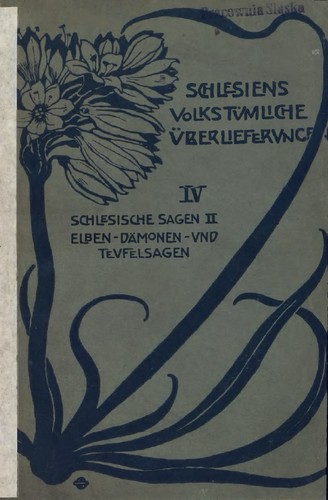
Richard Kühnau: Schlesische Sagen 3 - Zauber-, Wunder- und Schatzsagen (1913, B.G. Teubner)

In earlier times, people occasionally saw a fiery barrel roll down the west side of the mountain of Reich-Hennersdorf towards the river Bober. This barrel was filled with gold, and vanished as soon as it touched the waters of the Bober.

Schlesische Sagen 3 - Zauber-, Wunder- und Schatzsagen by  (Page 632)

This is by no means the weirdest supernatural phenomenon from German #folklore ...

24. How long is the longest story you’ve ever written? Can you link to it?

The longest tale I have translated was "The Stone Cross in the Teufelsthal Valley", a sappy tale of love, romance, murder, ancestral sins where the female protagonist gets her happy ending except that all her relatives are dead now.

The Patreon link is here. Eventually I might release it as part of a collection of love stories from German - I hear authors get the big bucks!

https://www.patreon.com/posts/old-feuds-new-81694341

New instance, new !

My name is Jürgen, and I translate old German folk tales into English - not just tales from the Brothers Grimm, but from the hundreds of other 19th century German folklorists out there.

To date, I have translated more than 800 tales. You can learn more about my project here (and you can get a free ebook version of my first book if you subscribe to my newsletter there):


https://sunkencastles.com/

By the way, this Missouri French folktale is hella fun. A prince decides to be a jester instead, and goes off to see the world. He befriends three giants, and they help him win a princess.

When he visits his giant friends, they feed him by cutting their own food into tiny portions, and ask him to dish about the events at court. Initially he beheads one of them on instinct, but manages to revive the giant and apologize for the knee-jerk questing reaction.

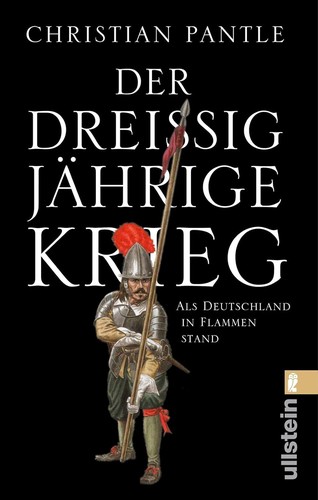
Christian Pantle: Der Dreißigjährige Krieg: als Deutschland in Flammen stand (2020, Ullstein) No rating

The Thirty Years' War was the most devastating #war in the history of Germany, and left a correspondingly large imprint in German #folklore .

One day I want to write a whole book about folk tales related to this war, but that is a low priority for now.