
Vincent Tijms reviewed Heart of Darkness by Joseph Conrad
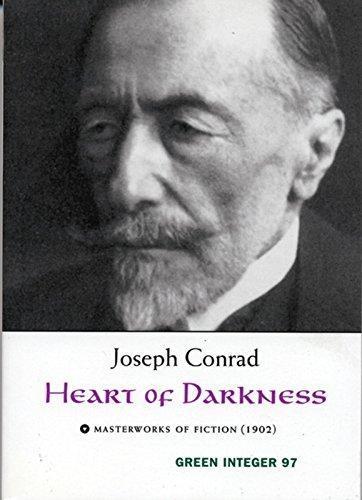
Heart of Darkness (1899) is a novella by Polish-English novelist Joseph Conrad. It tells the …
Review of 'Heart of Darkness' on 'Goodreads'
5 stars
With it being one of the many classics I had left unread, I finally started reading Heart of Darkness a couple of days ago, and quickly moved through this little gem. There are more than enough summaries, analyses and critiques of this story on the internet, so I'll just make a few comments.
On Goodreads, a number of people are complaining about the cliched, cheap use of dark Africa as a metaphor for the darkness of protagonist Marlow's darkened soul. While I don't think it's wrong to see this as a metaphor, I find it a bit superficial to keep it at that. It is the darkness and savagery of the jungle that bring Marlow - and all other characters that venture into its depths - to according states. The African land is not as much a metaphor for, as a causal explanation of the darkness of Marlow, Kurtz and others.
That power of the environment is ultimately the message that Conrad tries to convey. Kurtz may have wanted to bring light to the heart of Africa - so that it may look the way the Thames looks at the higher level of the framed narrative - but instead he became corrupted himself. Enlightenment, it seems, is not in the minds of the Europeans, but in the civilization that they occupy. Once outside this environment, they are as much savages as those whom they try to convert. Take civilization away from a man, and all you have left is a cold, primal core.
Whether Conrad did indeed take such a Hobbesian view of humanity, I don't know. I found it telling that Marlow showed compassion for his killed crew member, saving the corpse from cannibalism because "there had been some mutual dependency". It seems Conrad was also open to the idea that social structure can be sufficient for moral behavior.
In any case, the story has much more to offer than some reviewers on Goodreads are giving it credit for. Heart of Darkness tries to go to the heart of the human condition, and denies the Enlightenment idea of western man having reached a "civilized stage". I don't subscribe to the view of humanity as being fundamentally dark, but I have greatly enjoyed the way in which Conrad tried to make its case. And, given that western powers are still sending troops into "savage lands" in order to export their values and politics, it is worth considering to what extent Conrad was correct.