Davide Aversa started reading Sea of Tranquility by Emily St. John Mandel
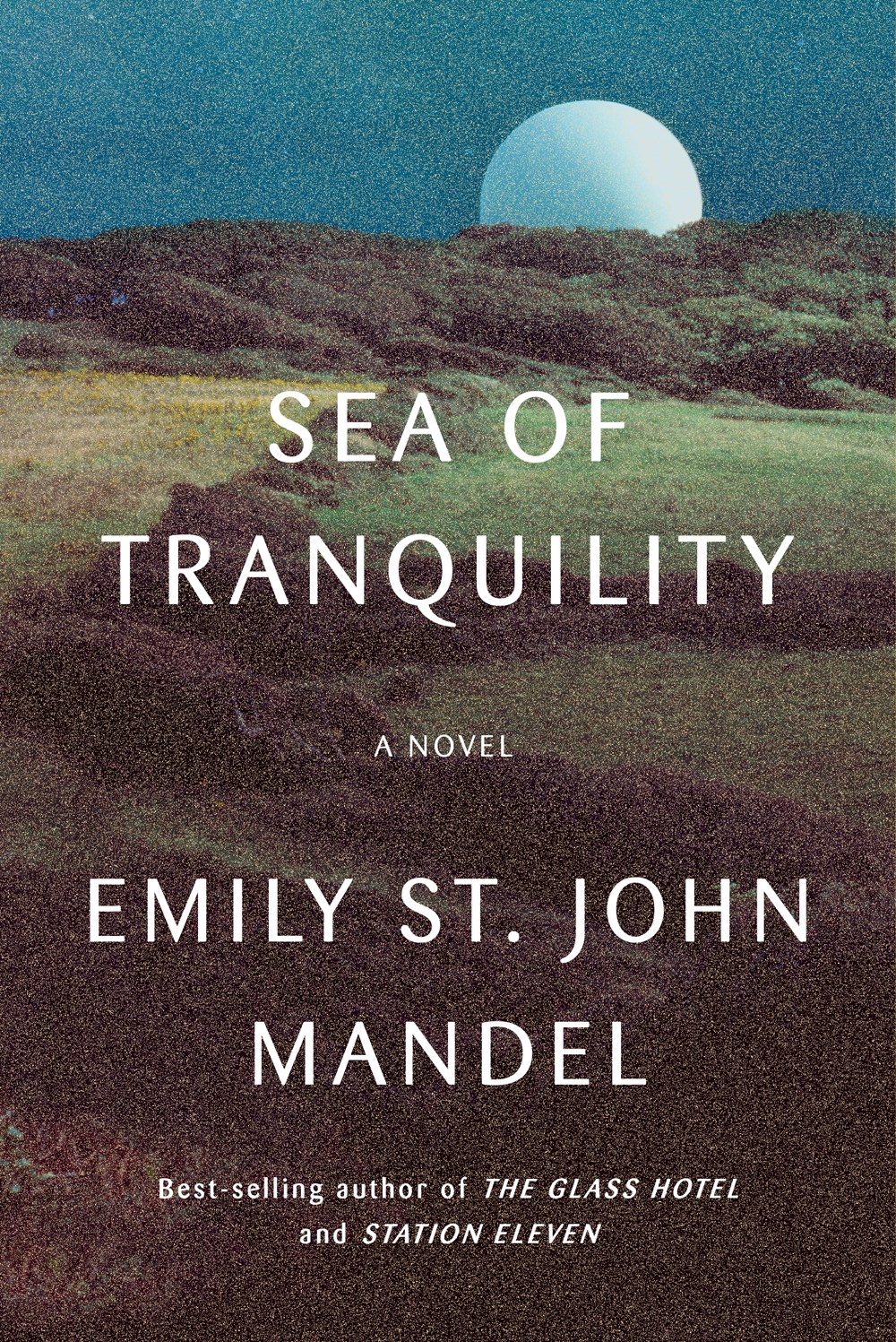
Sea of Tranquility by Emily St. John Mandel
Edwin St. Andrew is eighteen years old when he crosses the Atlantic by steamship, exiled from polite society following an …

This link opens in a pop-up window

Edwin St. Andrew is eighteen years old when he crosses the Atlantic by steamship, exiled from polite society following an …
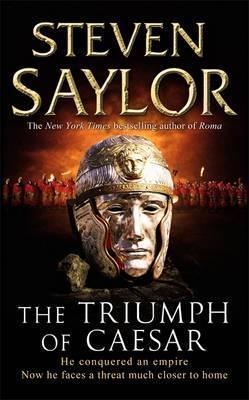
The Triumph of Caesar is a historical mystery novel by American author Steven Saylor, first published by St. Martin's Press …
The Triumph of Caesar is a historical mystery novel by American author Steven Saylor, first published by St. Martin's Press …
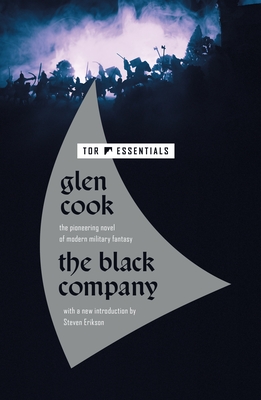
Some feel the Lady, newly risen from centuries in thrall, stands between humankind and evil. Some feel she is evil …

Quando noi italiani pensiamo alla nazione che vorremmo diventare, cosa ci viene in mente? Probabilmente vorremmo avere un'economia in grande …
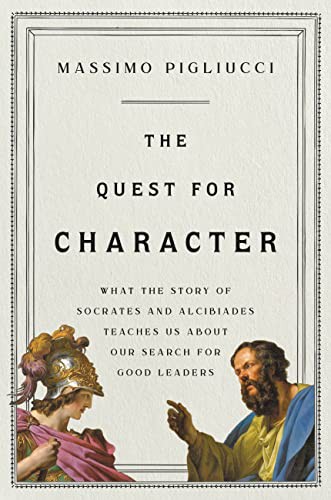
I consider Massimo Pigliucci one of my "spiritual" teachers. His books, in fact, helped me achieve a better grasp of myself and sparked my love for ancient philosophy. Moreover, I am also a paid subscriber of his Substack, so this review may be a bit biased.
However, The Quest for Character is a book that tries to answer a very pressing question: how can we get better leaders?
I am fascinated by politics and, as probably many, I am increasingly worried and depressed by the abysmal level of modern political landscape. This book echoes my feelings and try to use the lens of philosophy to analyze the relationship between ethos and effective leadership.
As I said, it tries. Because, as for all complex problems, there is no unique and easy solution. Somebody, may find frustrating that, in the end, the book shows how each one of us …
I consider Massimo Pigliucci one of my "spiritual" teachers. His books, in fact, helped me achieve a better grasp of myself and sparked my love for ancient philosophy. Moreover, I am also a paid subscriber of his Substack, so this review may be a bit biased.
However, The Quest for Character is a book that tries to answer a very pressing question: how can we get better leaders?
I am fascinated by politics and, as probably many, I am increasingly worried and depressed by the abysmal level of modern political landscape. This book echoes my feelings and try to use the lens of philosophy to analyze the relationship between ethos and effective leadership.
As I said, it tries. Because, as for all complex problems, there is no unique and easy solution. Somebody, may find frustrating that, in the end, the book shows how each one of us carries an individual responsibility into shaping the next generation of leaders. It may seem discouraging but, after all, our actions and behaviors are ultimately the only thing we can control.
Nevertheless, the book left me with some actionable insight, some new readings and a bit of optimism.