
Adam rated The Final Empire: 4 stars
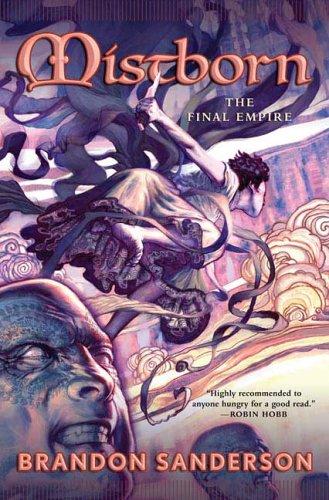
The Final Empire by Brandon Sanderson (Mistborn, #1)
For a thousand years the ash fell and no flowers bloomed. For a thousand years the Skaa slaved in misery …

Work: reading student papers Free time: reading books
Main genres: sci-fi, cyberpunk, steampunk, fantasy, non-fiction
Mastodon: metnix@mastodon.xyz
This link opens in a pop-up window
For a thousand years the ash fell and no flowers bloomed. For a thousand years the Skaa slaved in misery …
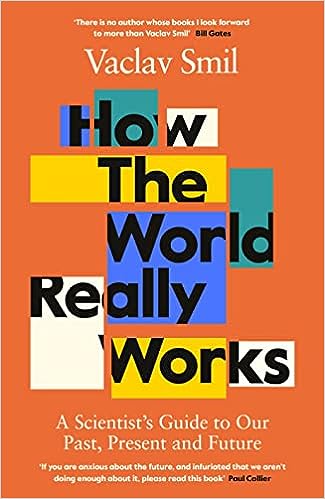
We have never had so much information at our fingertips and yet most of us don't know how the world …

Randall Munroe: Tänk om- : seriösa vetenskapliga svar på absurda hypotetiska frågor (Swedish language)
What If?: Serious Scientific Answers to Absurd Hypothetical Questions is a non-fiction book by Randall Munroe in which the author …
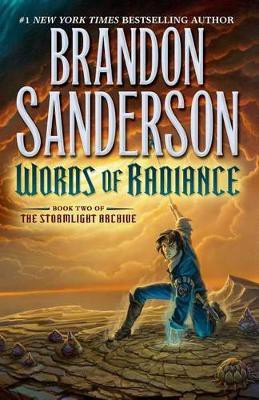
The eagerly awaited sequel to the New York Times bestselling The Way of Kings.
Six years ago, the Assassin …
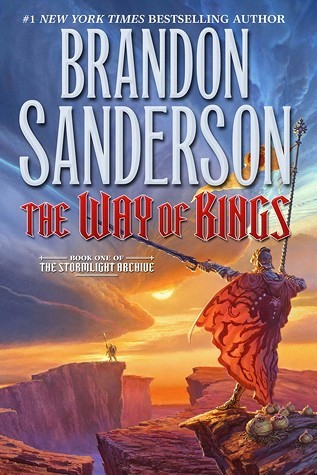
From #1 New York Times bestselling author Brandon Sanderson, The Way of Kings, book one of The Stormlight Archive begins …
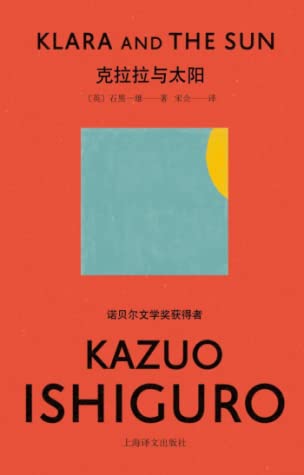
克拉拉是一个专为陪伴儿童而设计的太阳能人工智能机器人(AF),具有极高的观察、推理与共情能力。她坐在商店展示橱窗里,注视着街头路人以及前来浏览橱窗的孩子们的一举一动。她始终期待着很快就会有人挑中她,不过,当这种永久改变境遇的可能性出现时,克拉拉却被提醒不要过分相信人类的诺言。
在《克拉拉与太阳》这部作品中,石黑一雄通过一位令人难忘的叙述者的视角,观察千变万化的现代社会,探索了一个根本性的问题:究竟什么是爱?
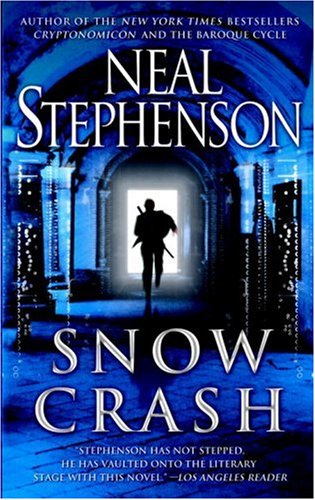
In reality, Hiro Protagonist delivers pizza for Uncle Enzo’s CosaNostra Pizza Inc., but in the Metaverse he’s a warrior prince. …
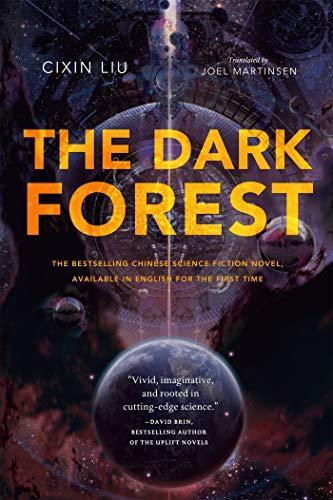
"With the scope of Dune and the rousing action of Independence Day, this near-future trilogy is the first chance for …
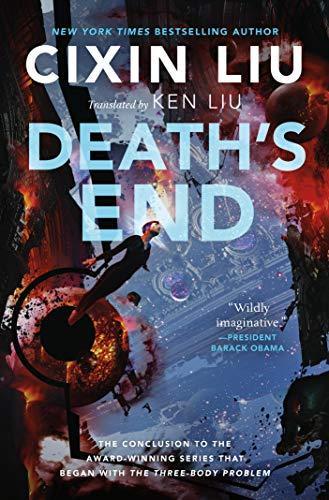
Death's End (Chinese: 死神永生, pinyin: Sǐshén yǒngshēng) is a science fiction novel by the Chinese writer Liu Cixin. It is …
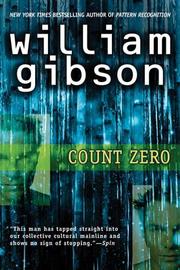
Count Zero is a science fiction novel by American-Canadian writer William Gibson, originally published in 1986. It is the second …
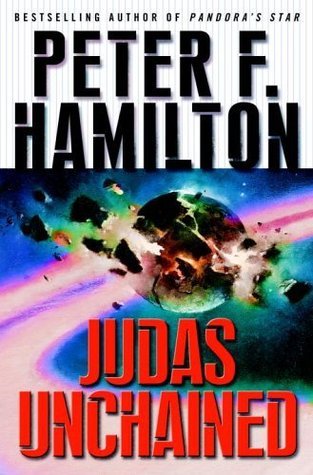
The previous novel, Pandora's Star, introduced the Intersolar Commonwealth, a star-spanning civilization of the twenty-fourth century. Robust, peaceful, and confident, …
Critics have compared the engrossing space operas of Peter F. Hamilton to the classic sagas …
Positive:
Story-wise: pretty good, interesting concept and the author really manages to live up to the expectations of the title.
Aliens: well done, with a very otherworldly feeling (for some species).
Negative:
Human characters: rather "nah" (mostly rich men who have lived for generations and are driven by money, power and sex. Female characters are primarily described in terms of hotness with few exceptions)
Sci-fi that relies heavily on gimmickry and detailed matter-of-factly explanations (not a big fan of this style of sci-fi)
I really disliked the ridiculously reckless and unmotivated story-line of a certain character (seriously, I think the author threw this in there solely to be able to spew out more alien settings to describe).
Positive:
Story-wise: pretty good, interesting concept and the author really manages to live up to the expectations of the title.
Aliens: well done, with a very otherworldly feeling (for some species).
Negative:
Human characters: rather "nah" (mostly rich men who have lived for generations and are driven by money, power and sex. Female characters are primarily described in terms of hotness with few exceptions)
Sci-fi that relies heavily on gimmickry and detailed matter-of-factly explanations (not a big fan of this style of sci-fi)
I really disliked the ridiculously reckless and unmotivated story-line of a certain character (seriously, I think the author threw this in there solely to be able to spew out more alien settings to describe).
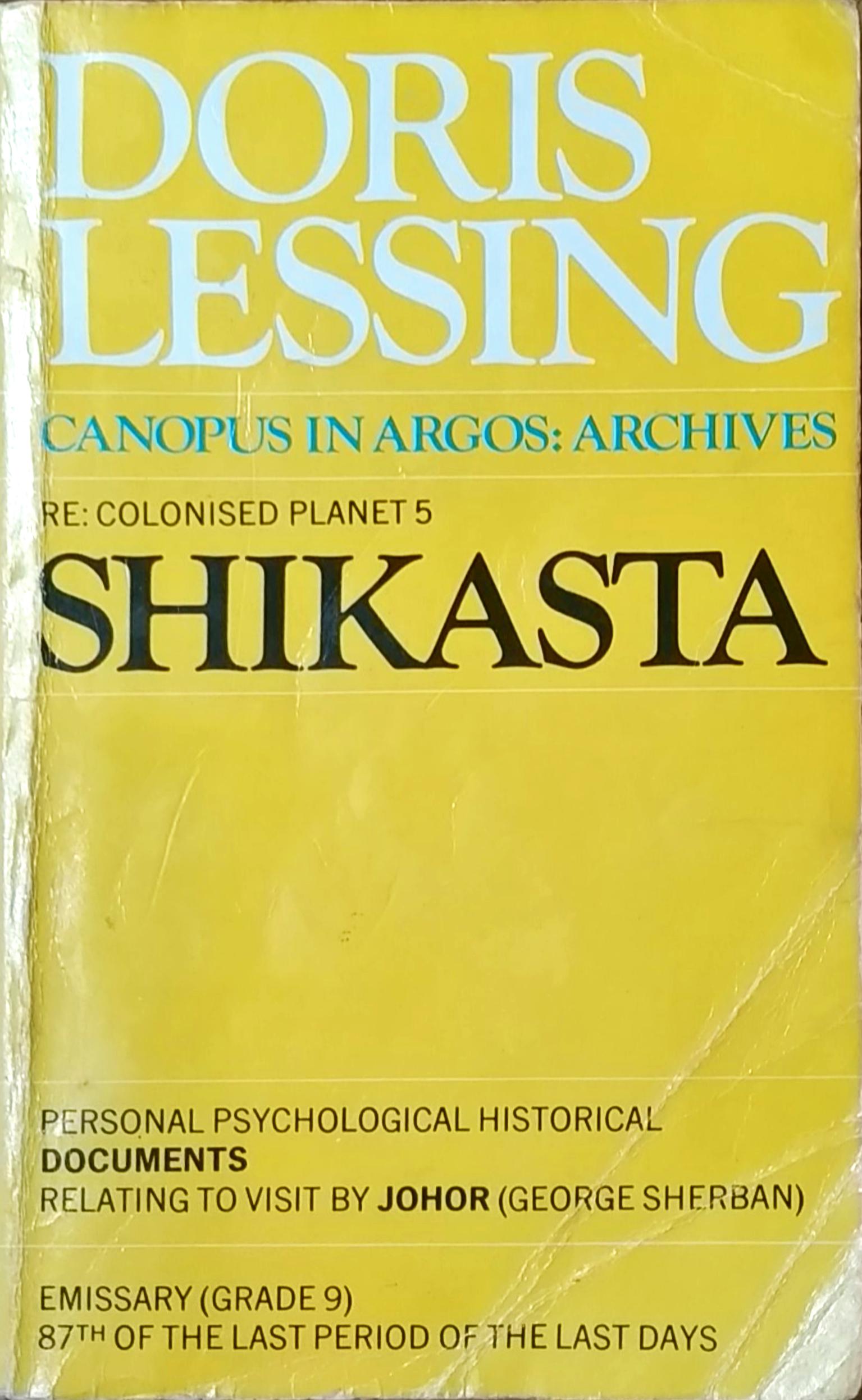
Re: Colonised Planet 5, Shikasta (often shortened to Shikasta) is a 1979 science fiction novel …
I'm about 2/3 through this book and I doubt that I'll finish it. I like the idea of it, but there were many aspects of it which I had difficulties accepting.
The reports that together make up most of the book don't feel authentic to me. Many of the central ideas in the book are explained through the reports as if introduced for the first time to whoever reads them. I found this a bit clumsy, wouldn't it be reasonable to assume that the basics of canopean society should be familiar to whoever reads these reports? E.g. the introduction of the SOWF which is central to the Canopean colonization process is introduced in a way that assumes that Canopeans are unfamiliar with it. Furthermore, the author explains that there is no proper word for the SOWF, which I'd assume that a civilization, which is entirely built up around the concept, …
I'm about 2/3 through this book and I doubt that I'll finish it. I like the idea of it, but there were many aspects of it which I had difficulties accepting.
The reports that together make up most of the book don't feel authentic to me. Many of the central ideas in the book are explained through the reports as if introduced for the first time to whoever reads them. I found this a bit clumsy, wouldn't it be reasonable to assume that the basics of canopean society should be familiar to whoever reads these reports? E.g. the introduction of the SOWF which is central to the Canopean colonization process is introduced in a way that assumes that Canopeans are unfamiliar with it. Furthermore, the author explains that there is no proper word for the SOWF, which I'd assume that a civilization, which is entirely built up around the concept, should have a word for.
I also found it strange how the envoys go to such length to use neutral names of places and time periods for almost everything, but they have no problem using the Shikastan names of world war I and II to help the reader pin point the time in history. The only time that the Canopean name of this timeperiod is used, is when it is first introduced, after which all envoys revert to using the Shikastan name in their reports. Everything else uses the clumsy Canopean nomenclature.
I also had a problem grasping what was the point of many of the reports. The strange mix of explaining what happens on a global scale (including the awkward zone 6) with a few brief descriptions of some individuals.
The book does manage to reproduce the dryness of typical official reports, so I guess that's something.