Adam started reading The Alloy of Law by Brandon Sanderson (Mistborn, #4)
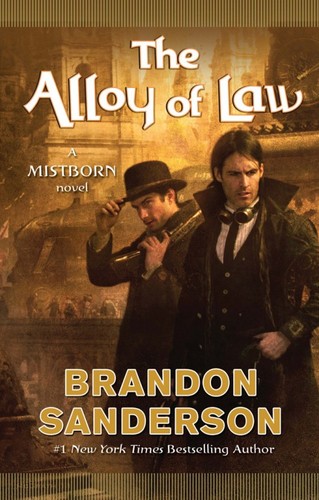
The Alloy of Law by Brandon Sanderson (Mistborn, #4)
"Three hundred years after the events of the Mistborn trilogy, Scadrial is on the verge of modernity, with railroads to …

Work: reading student papers Free time: reading books
Main genres: sci-fi, cyberpunk, steampunk, fantasy, non-fiction
Mastodon: metnix@mastodon.xyz
This link opens in a pop-up window
"Three hundred years after the events of the Mistborn trilogy, Scadrial is on the verge of modernity, with railroads to …
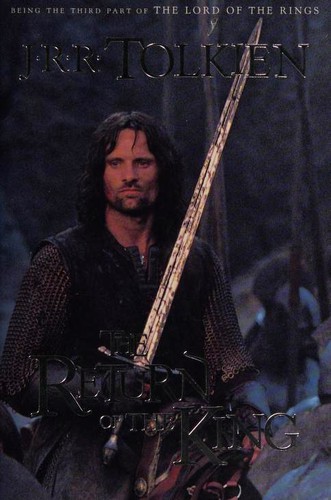
As the Shadow of Mordor grows across the land, the Companions of the Ring have become involved in separate adventures. …
As the Shadow of Mordor grows across the land, the Companions of the Ring have become involved in separate adventures. …
As the Shadow of Mordor grows across the land, the Companions of the Ring have become involved in separate adventures. …
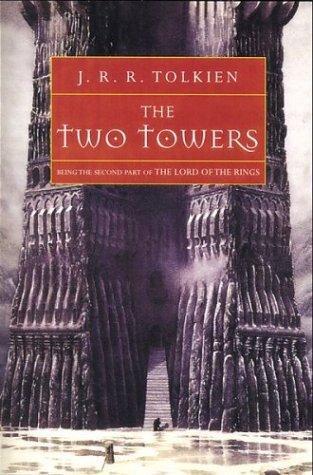
The Two Towers. Book Two in J.R.R. Tolkien's acclaimed trilogy, a masterpiece of high fantasy.
Frodo and his Companions …
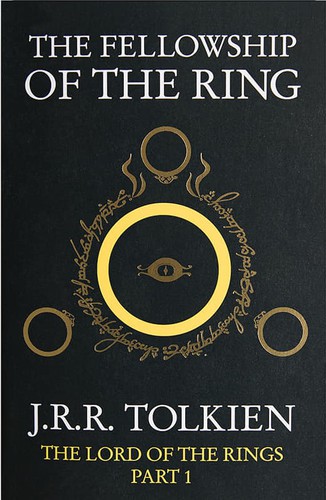
This edition is based on the reset edition first published 2002 which is a revised version of the reset edition …

How can we make intelligent decisions about our increasingly technology-driven lives if we don’t understand the difference between the myths …
"He tried to take my life. Instead I took his. It was a long time ago. I remember it was …
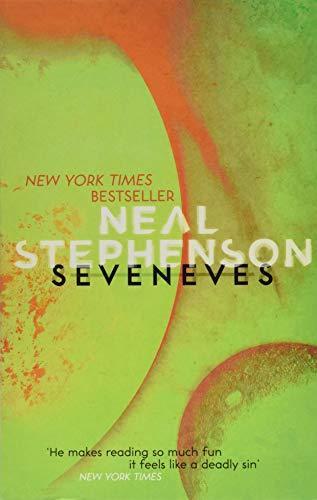
When a catastrophic event renders the earth a ticking time bomb, it triggers a feverish …
That pretty much sums it up. This book is basically two stories. The first part revolves around nerdy orbital dynamics descriptions with a sprinkle of politics and psychology. It makes sense and is mildly interesting but a bit much. The background research is, as usual for Neil Stephenson, quite impressive. The sorry elements is not the main part of this book. There are a few surprises in the beginning and end of each part. But most of the book is rather straight forward.
All-in-all Seveneves is an interesting series of what-ifs and an elaborate exploration of what these ifs could lead to.
It's a fairly slow paced presentation of a long series of events with a couple of sudden twists at the end of each part. This presents a sudden moment of "huh...?" at those points.
That pretty much sums it up. This book is basically two stories. The first part revolves around nerdy orbital dynamics descriptions with a sprinkle of politics and psychology. It makes sense and is mildly interesting but a bit much. The background research is, as usual for Neil Stephenson, quite impressive. The sorry elements is not the main part of this book. There are a few surprises in the beginning and end of each part. But most of the book is rather straight forward.
All-in-all Seveneves is an interesting series of what-ifs and an elaborate exploration of what these ifs could lead to.
It's a fairly slow paced presentation of a long series of events with a couple of sudden twists at the end of each part. This presents a sudden moment of "huh...?" at those points.
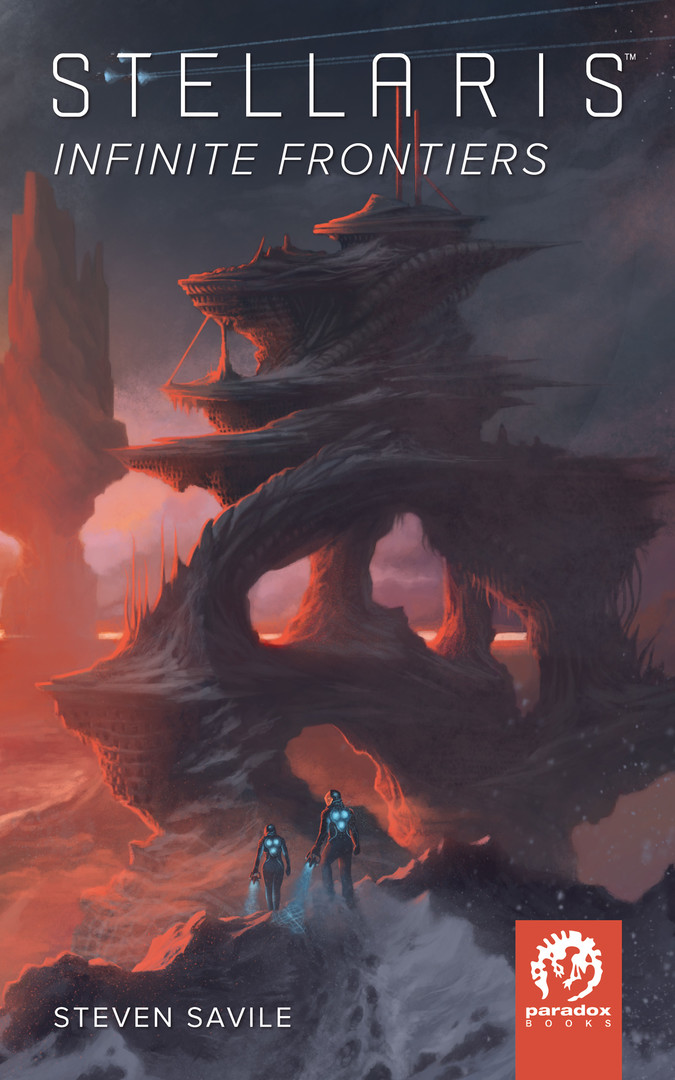
Description from Steam: "Hayden Quinn’s entire life has been about listening. He is the first …
Rather light reading, probably targeting a wider audience. The main story was ok, with some cheap tricks to grab your attention early on. Phrases like "If only they hadn't..." and "They were the lucky ones..." are used frequently which to me felt more like spoiling the surprise than anything else.
Some characters develop pretty far but sometimes this is very sudden and hard to accept. The book is loosely based on the computer game, but this is mainly by mentioning some tech here, and some civilizations there.
A large portion of the environmental description focuses on describing what seems like misunderstood concepts in astrophysics. While that doesn't necessarily mean poor sci-fi, this book gave me the impression that the author skimmed through some out-dated low quality popular science magazine as the background research.
All in all and ok read.
Rather light reading, probably targeting a wider audience. The main story was ok, with some cheap tricks to grab your attention early on. Phrases like "If only they hadn't..." and "They were the lucky ones..." are used frequently which to me felt more like spoiling the surprise than anything else.
Some characters develop pretty far but sometimes this is very sudden and hard to accept. The book is loosely based on the computer game, but this is mainly by mentioning some tech here, and some civilizations there.
A large portion of the environmental description focuses on describing what seems like misunderstood concepts in astrophysics. While that doesn't necessarily mean poor sci-fi, this book gave me the impression that the author skimmed through some out-dated low quality popular science magazine as the background research.
All in all and ok read.
Description from Steam: "Hayden Quinn’s entire life has been about listening. He is the first …
pff, the dying star was a failed attempt at showing off. It felt like reading a physics text book which skipped the proof reading stage.
Description from Steam: "Hayden Quinn’s entire life has been about listening. He is the first …
Let's see if this is worth reading...
Let's see if this is worth reading...
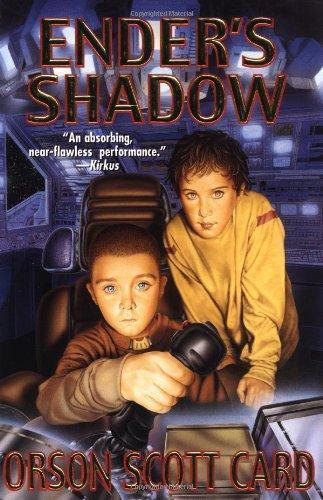
This is Bean's installment of Orson Scott Card's Ender's saga. It is a great character …
I wasn't at all impressed by this. After reading Ender's shadow, this book didn't add that much new. It introduced some new perspectives and angles on events, but not too interesting. The new story elements were (appropriately?) overshadowed but the main plot in Ender's game. Maybe it would be more interesting for someone who hasn't already read Ender's game.
I wasn't at all impressed by this. After reading Ender's shadow, this book didn't add that much new. It introduced some new perspectives and angles on events, but not too interesting. The new story elements were (appropriately?) overshadowed but the main plot in Ender's game. Maybe it would be more interesting for someone who hasn't already read Ender's game.
This is Bean's installment of Orson Scott Card's Ender's saga. It is a great character building book for those who …
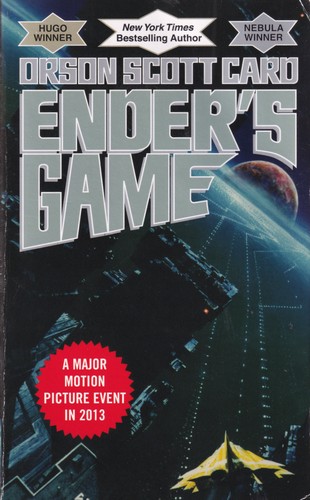
Ender's Game is a 1985 military science fiction novel by American author Orson Scott Card. Set at an unspecified date …