
ilk reviewed Europe in Autumn by Dave Hutchinson
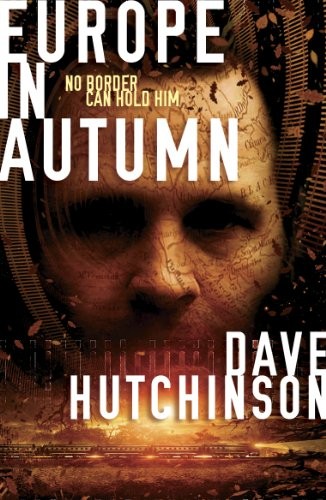
Europe In Autumn
For fans of China Mieville and Mr Robot
Rudi is the most nondescript European ever. Accentless English, no easily discernable ethnic background. He works in kitchens, cooking and cleaning, and knows a lot about commercial dishwashers. The continent is in long-term phase of balkanization following the collapse of the EU, with political borders now looking like Holy Roman Empire's. Micronations spring up - 'polities'. Borders harden. Rudi also delivers packages for an organization called the Coerreurs. Europe's black market still believes in the spirit of Schengen. The Correurs fabricate backstories and get their staff to inhabit them. Missions are 'situations' and situations involve deliveries - at the lower rungs anyway. An anarchist DHL. Hated by Europe's authorities but not deemed a mortal threat thanks to its neutrality policy, the Correurs get left alone. But we're reading fiction so inevitably Rudi Gets In Way Over His Head[TM], finding himself on the run and piecing together a mystery that threatens his life.
Huthinson's vision of Europe isn't strictly dystopian, it's more interesting and nuanced than that. Nation-states seem to have lost some degree of control (or willingness to exert control?) over their territory and populaces, and are on the backfoot. An air of lassitude hangs over the continent. Things only work in spite of their design, and the simple act of living is a series of hacks and workarounds. A railway line turned itself into a polity. Two large paramilitaries born of neighbourhood gangs engage in a fight over control of a commieblock complex. Even the police can't be bothered quelling it. Rudi gets renditioned to an English Government blacksite (there's no more UK either) in central London that's a) remarkably hospitable and b) isn't apparently interested in the whole 'detention' or 'interrogation' bits of cross-border state kidnapping.
Until the last 50 pages or so it's a decent tech-thrillery romp in the near future with thoughtful worldbuilding. Then the book widlly changes tack by talking about an 18th century land surveryor called Whitton-Whyte, and Hutchinson drops the conceptual centrepiece of this series. Needless to say it gets quite interesting.