Chunshek Chan reviewed 失智症世界的旅行指南 by 筧裕介
第一本從失智症「當事人」角度出發的書,也是理解失智症的第一本書 ★日本銷售破16萬冊,榮登2022年上半年最暢銷的失智症書籍 ★榮獲2022年日本讀者精選商業書籍(博雅教育類)最優秀獎 ★日本Amazon網路書店分類榜銷售TOP 1 ★日本NHK改編為網路節目播出 ★日本《朝日新聞》、《讀賣新聞》等媒體書評推薦
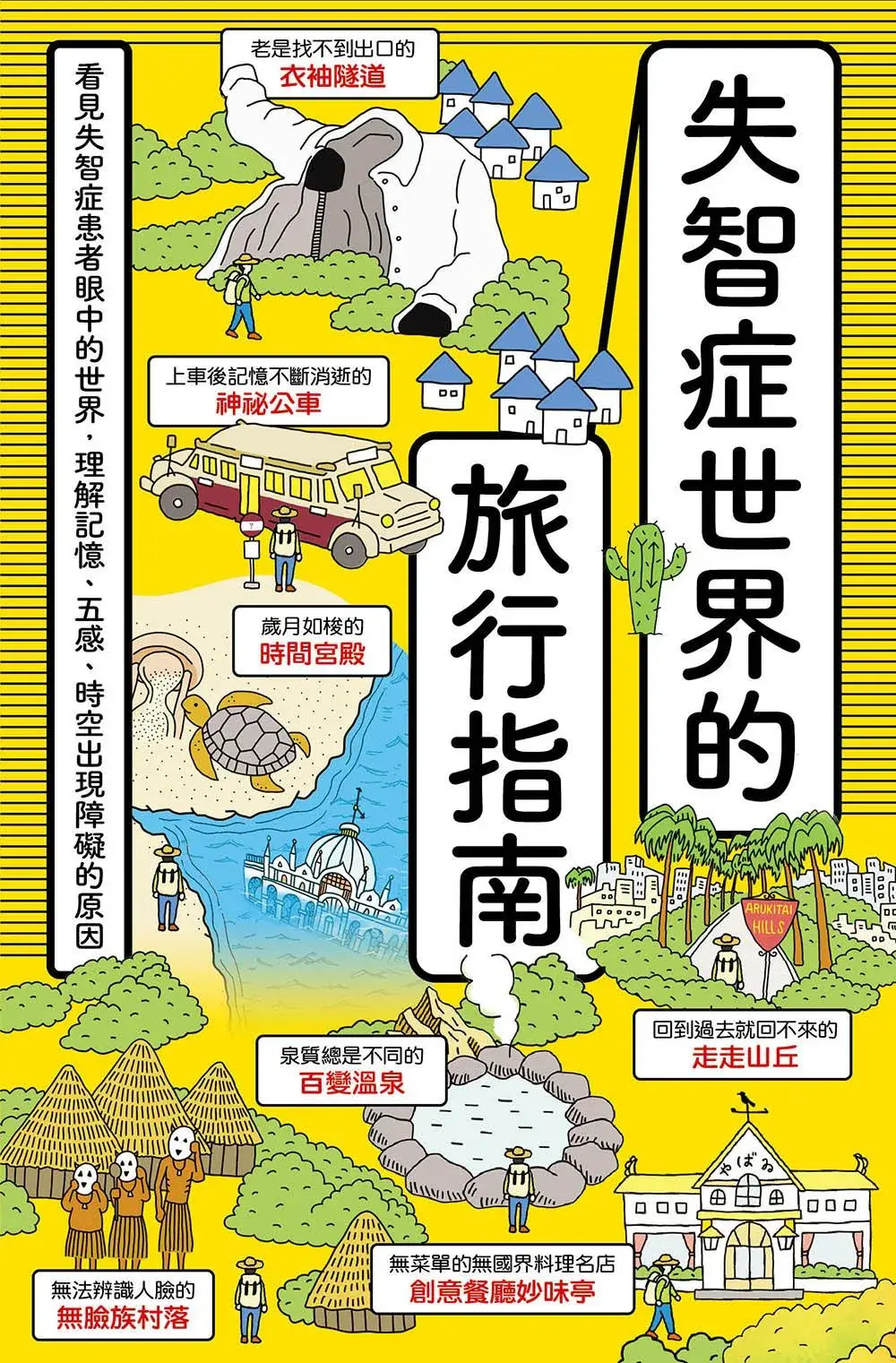
▌最有創意的失智症衛教手冊! 用旅遊指南的形式介紹13個特殊景象,深入理解失智症。 仿照日本知名旅遊指南──「地球的步方」,以插圖及遊記的方式,來比喻說明「失智症患者眼中的世界」。這趟旅行從坐上令人漸漸失憶的「神秘巴士」開始,一站接著一站來到白茫溪谷之旅(眼前看不見的東西=不存在的東西)、看不懂菜單的創意料理餐廳(言語及符號辨識能力衰退)、居民都沒有臉的「無臉族村莊」(無法認出人)、水溫永遠不一樣的「七變化溫泉」(對觸覺、溫度失去敏感度)等等,帶領讀者迅速理解失智症會有什麼症狀及身心的變化。
▌從「患者本人」的觀點出發! 了解行為背後的「理由」,讓患者及照護者兩方都輕鬆 作者訪問了一百位失智症患者,將他們的行為、感受做為規劃本書的基礎,也將他們的生活困擾以第一人稱的視角,透過「旅人分享」單元說出失智症病友的心聲。理解失智症患者為何會出現幻聽、幻覺、失憶、重複性行為、鬧情緒等與常人不同的狀態。只要知道原因,就能找出解決方案或和平共處的方法,進而改善患者與照護者的生活品質。
…A rare and valuable look into how a once familiar world devolves into cognitive nightmares for folks suffering from dementia
5 stars
It has been more than 20 years, but I still remember how dementia took a toll on the mind and body of my grandfather towards the last few years of his life – and the stress from taking care of him had eventually shaved decades off my uncle's life too, who passed just one day before he would have officially retired. “Dementia World Travel Guide” (Chinese title: 失智症世界的旅行指南 / original Japanese title: 認知症世界の歩き方) finally gives readers a first-person perspective on why folks with dementia behave the way they do, and what the rest of us on the side can do to make everyone’s lives a bit easier.
Having interviewed more than 100 dementia patients, Yusuke Kakei did a brilliant job depicting 13 bizarre worlds that the patients are plunged into: from a mystery bus where passengers won't be able to get off at their intended destinations, to a whiteout valley where nobody can ever take a mental image of its breathtaking scenery, to a fusion restaurant where the menus have no words and none of the dishes nor the ingredients have a name, to a village where everyone’s face is the same as everyone else’s…
These strange worlds where one cannot rely on their cognitive abilities are where dementia patients helplessly find themselves.
The “travel guide” describes how a patient would feel in such a world, and how such confusion translates into 44 types of behavior observed by others around.
The book gives its readers a profound understanding of where patients are coming from and where they are struggling the most, so that their friends and families will be able to provide more constructive support and reduce the mental and emotional strains in the relationships.