It’s a worthy enough read, and the queer generational themes are compelling. It’s an interesting if rarely engaging meditation on grief and the muddles identity poses for us across generations. Theron’s voice is clear but neither he nor Jake nor the other main characters ever really gets that interesting or likeable and the book’s energy makes regular unnecessary dives into lukewarm territory. It’s a good book but there are flaws.
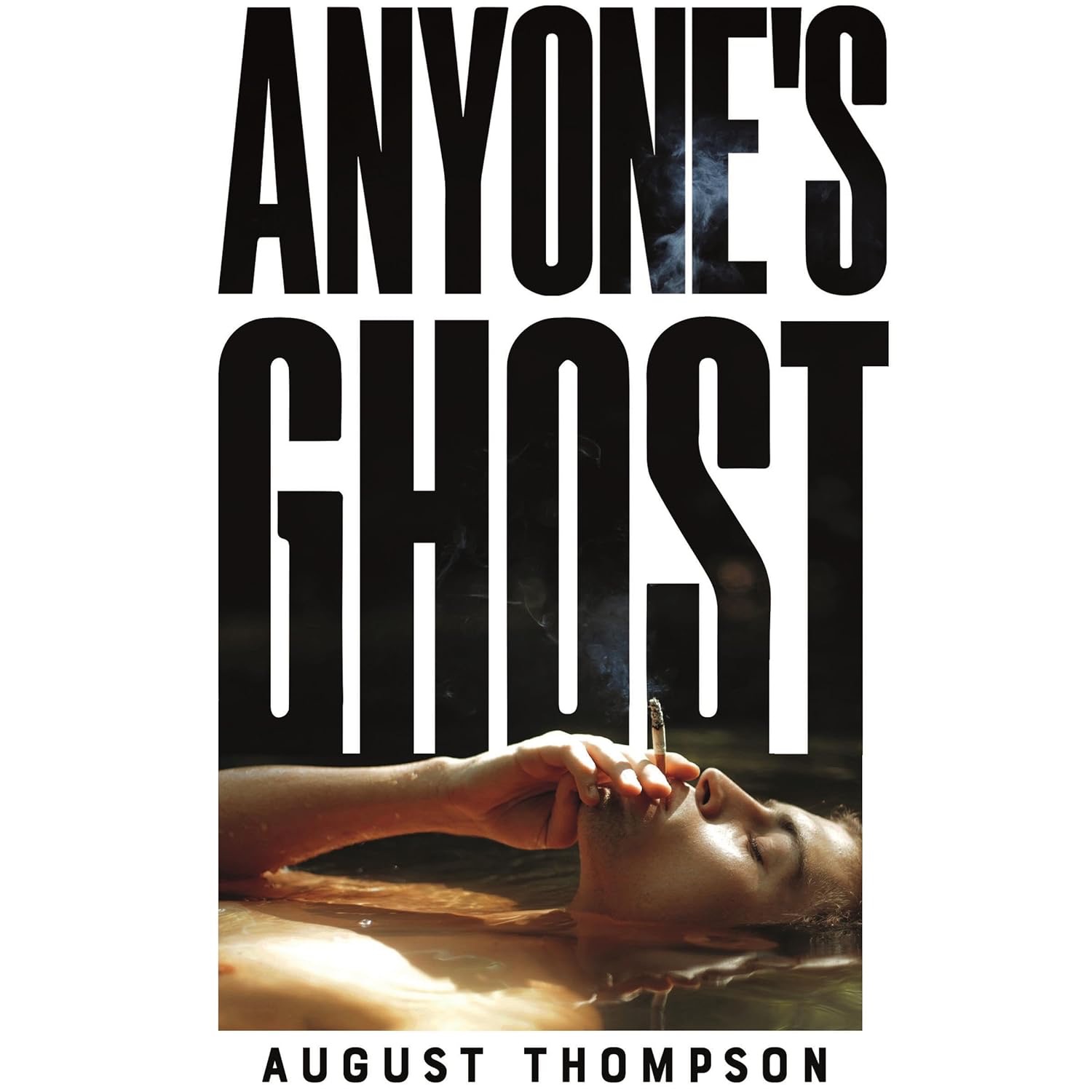
It's an engaging if not yet compelling start. Thompson's world building is perhaps a little overly dense, but I'm sold on David's character and I'll be interested to see how his and Jake's relationship develops.
It's an engaging if not yet compelling start. Thompson's world building is perhaps a little overly dense, but I'm sold on David's character and I'll be interested to see how his and Jake's relationship develops.
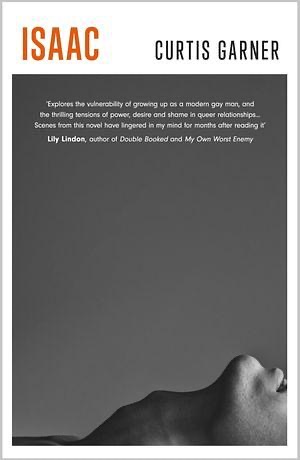
Garner has created a deeply insightful look into the emotional world of a young gay man free from overt trauma but is still struggling with making good emotional decisions. His characters are deeply believable and the integrity behind the writing is abnormally high. It’s engaging throughout, and never descends into cliché despite the main plot points.
Garner’s ability to depict Isaac’s emotional struggles, and most interestingly to strip them from overt trauma, makes even the closing act interesting and engaging. The tragedy of the violence that befalls Isaac is so tightly woven into a problem of masculinities in both a society and gay community that struggles with ideas of what it is to be a man.
The subtle needs, the subtle abuses, the disproportionate feelings - the back end of Isaac's relationship with Harrison is all nuance, believable words, thoughts and actions. The complexity of emotions at all ages is at the core of this book, and it's remarkable how accessible Garner makes it.
The subtle needs, the subtle abuses, the disproportionate feelings - the back end of Isaac's relationship with Harrison is all nuance, believable words, thoughts and actions. The complexity of emotions at all ages is at the core of this book, and it's remarkable how accessible Garner makes it.
Garner's observations of how Harrison uses Isaac in the Berlin darkroom - the implicit dismissal of consent and overblown justification of gay liberation, are all devastatingly delivered. The writing is very subtle but the juxtaposition of Isaac's inner voice and Harrison's outer one is really powerful - there are emotional lines that most people find too complex to understand in their lives, but it's here in Garner's writing. I hope Isaac and Cherish make up.
Garner's observations of how Harrison uses Isaac in the Berlin darkroom - the implicit dismissal of consent and overblown justification of gay liberation, are all devastatingly delivered. The writing is very subtle but the juxtaposition of Isaac's inner voice and Harrison's outer one is really powerful - there are emotional lines that most people find too complex to understand in their lives, but it's here in Garner's writing. I hope Isaac and Cherish make up.
As Isaac's self perception matures his perceptions of his deeply flawed relationship change, and he fights with his mother - not over Harrison but over his parentage. As a child it was enough to have his mother's love, as a late adolescent coping with the betrayal of his step father, that's no longer enough. Garner never flies into melodrama and delivers a really interesting and measured inner voice for his lead character.
As Isaac's self perception matures his perceptions of his deeply flawed relationship change, and he fights with his mother - not over Harrison but over his parentage. As a child it was enough to have his mother's love, as a late adolescent coping with the betrayal of his step father, that's no longer enough. Garner never flies into melodrama and delivers a really interesting and measured inner voice for his lead character.
Garner's observations of Isaac's questions and observations about the transition in worldview and understandings from adolescence to adulthood are ever more poignant. And I loved how strongly Isaac's personality has been affected by his deeply influential mother - so easy to portray in a clichéd way, but not here.
Garner's observations of Isaac's questions and observations about the transition in worldview and understandings from adolescence to adulthood are ever more poignant. And I loved how strongly Isaac's personality has been affected by his deeply influential mother - so easy to portray in a clichéd way, but not here.
It's an enjoyable listen. Harrison is creepy and believable. Isaac's obsession with him is all too familiar, and Garner's attention to building more than just Isaac's sexual obsessions makes this a standout book, even though the meat of the story is surely yet to come.
It's an enjoyable listen. Harrison is creepy and believable. Isaac's obsession with him is all too familiar, and Garner's attention to building more than just Isaac's sexual obsessions makes this a standout book, even though the meat of the story is surely yet to come.
Who are you, really? Are you the things you do, or are you the person …
Stunning and a little Burroughsian
4 stars
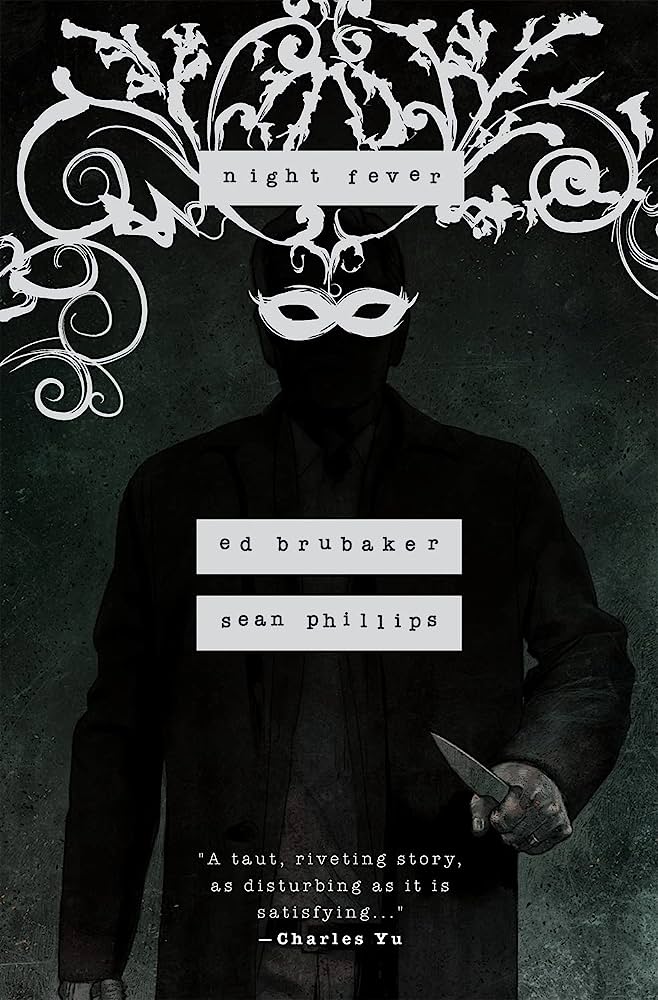
It certainly looks good - it may well be Sean and Jake Phillips' finest artistic hours respectively. I mean I've never seen comic or graphic novel artwork look this beautiful. Brubaker's story though I'm not fully on board with - I'm comfortable with much of the story being conceptual, almost happening in a daze which may or may not be shared by the author. The non-ending thought leaves me a little disappointed - it's a fast read, which is almost a welcome change of pace from Brubaker, and it's stunningly cinematic. The lack of consequences for Webb though leaves me a little cold, whether Rainer is real or not (I'm not convinced he is) - the hint that power and privilege sidestep all consequences is definitely made, but maybe the balance Brubaker tries for between that and his far more interesting noir take on the 'roads not taken' theme felt …
It certainly looks good - it may well be Sean and Jake Phillips' finest artistic hours respectively. I mean I've never seen comic or graphic novel artwork look this beautiful. Brubaker's story though I'm not fully on board with - I'm comfortable with much of the story being conceptual, almost happening in a daze which may or may not be shared by the author. The non-ending thought leaves me a little disappointed - it's a fast read, which is almost a welcome change of pace from Brubaker, and it's stunningly cinematic. The lack of consequences for Webb though leaves me a little cold, whether Rainer is real or not (I'm not convinced he is) - the hint that power and privilege sidestep all consequences is definitely made, but maybe the balance Brubaker tries for between that and his far more interesting noir take on the 'roads not taken' theme felt a bit wonky. Either way it's a stunning read, and not at all to be missed.
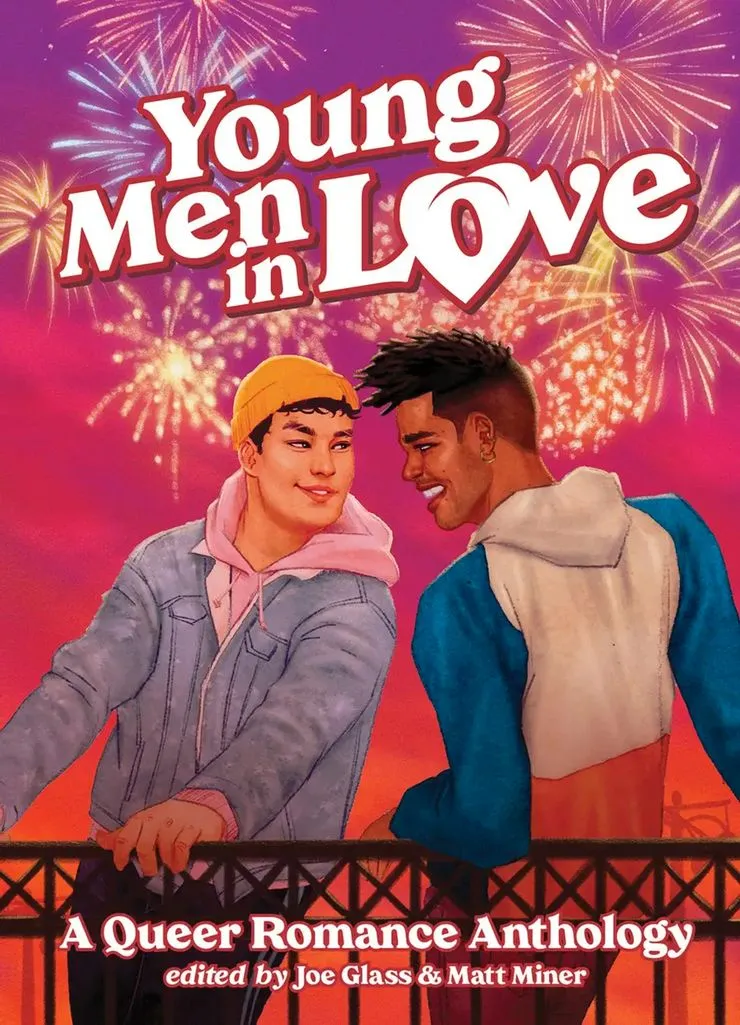
This anthology is the book I needed when I was younger. All about positivity and empowerment, it’s fun, touching, educational and uplifting, and there’s not a comics genre that isn’t treated with the utmost care. It’s not just the stories that inspire - Robert Ryan, Nick Robles, Auguste Kanakis, Ian Bisbal (as examples) all delight on art in wildly different ways and with writers like the marvellous Joe Glass, the insightful Anthony Oliveira, the magical Tate Brombal, Paul Allor and the inspirational Sina Grace this is the book of 2022 for me. I may find myself reading this a lot when I’m feeling bad about myself, and will always be grateful to Joe and Matt Miner for that.
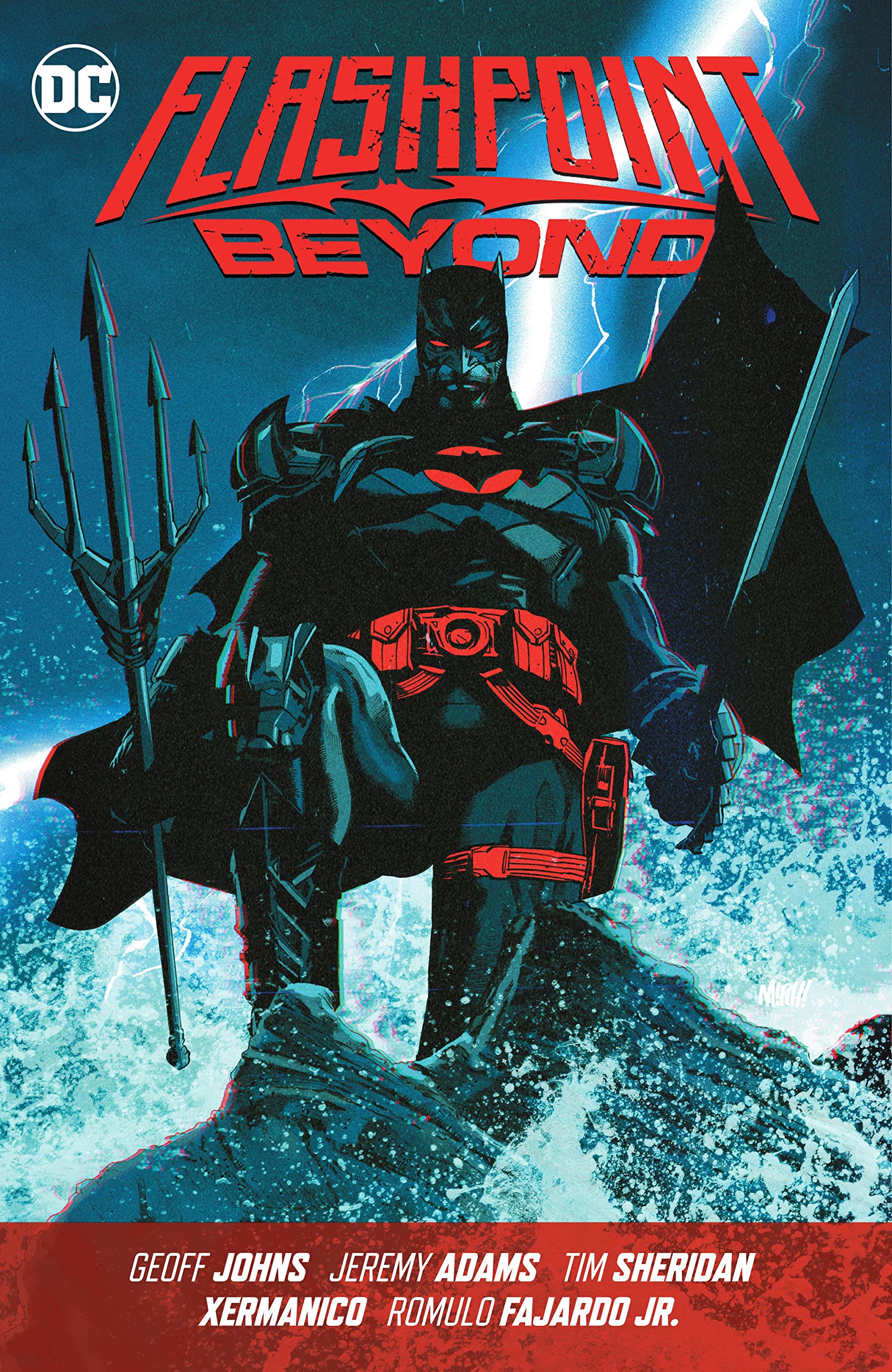
A good if uneven read. With Johns now back at DC, this book acts unexpectedly as a sequel to Doomsday Clock, which will impress and infuriate readers in equal measure. Without a knowledge of both Flashpoint and Doomsday Clock continuity (and probably even some New 52 work), it may be a hard read, even though Johns, Adams and Sheridan do good work to make it accessible. So much is unresolved for the Flashpoint universe that it feels like the JSA book won't be able to contain all the threads left open, and it's frustrating yet again for future events to be named without any certainty if Johns will ever get to them.
The art is also uneven - Xermanico and Janin are like chalk and cheese - both excel at what they do best, but they don't really mesh well here, and there's no balance between their respective arc. …
A good if uneven read. With Johns now back at DC, this book acts unexpectedly as a sequel to Doomsday Clock, which will impress and infuriate readers in equal measure. Without a knowledge of both Flashpoint and Doomsday Clock continuity (and probably even some New 52 work), it may be a hard read, even though Johns, Adams and Sheridan do good work to make it accessible. So much is unresolved for the Flashpoint universe that it feels like the JSA book won't be able to contain all the threads left open, and it's frustrating yet again for future events to be named without any certainty if Johns will ever get to them.
The art is also uneven - Xermanico and Janin are like chalk and cheese - both excel at what they do best, but they don't really mesh well here, and there's no balance between their respective arc. It's a fun time for fans of Johns' timey wimey schtick, although deeply self referential, and without much knowledge of the history involved may be somewhat disposable. In balance I found it quite likeable, and the writers did good work at fixing post-Doomsday Clock inconsistencies, most notably finally elevating Thomas Wayne into a hero on a par with his son.