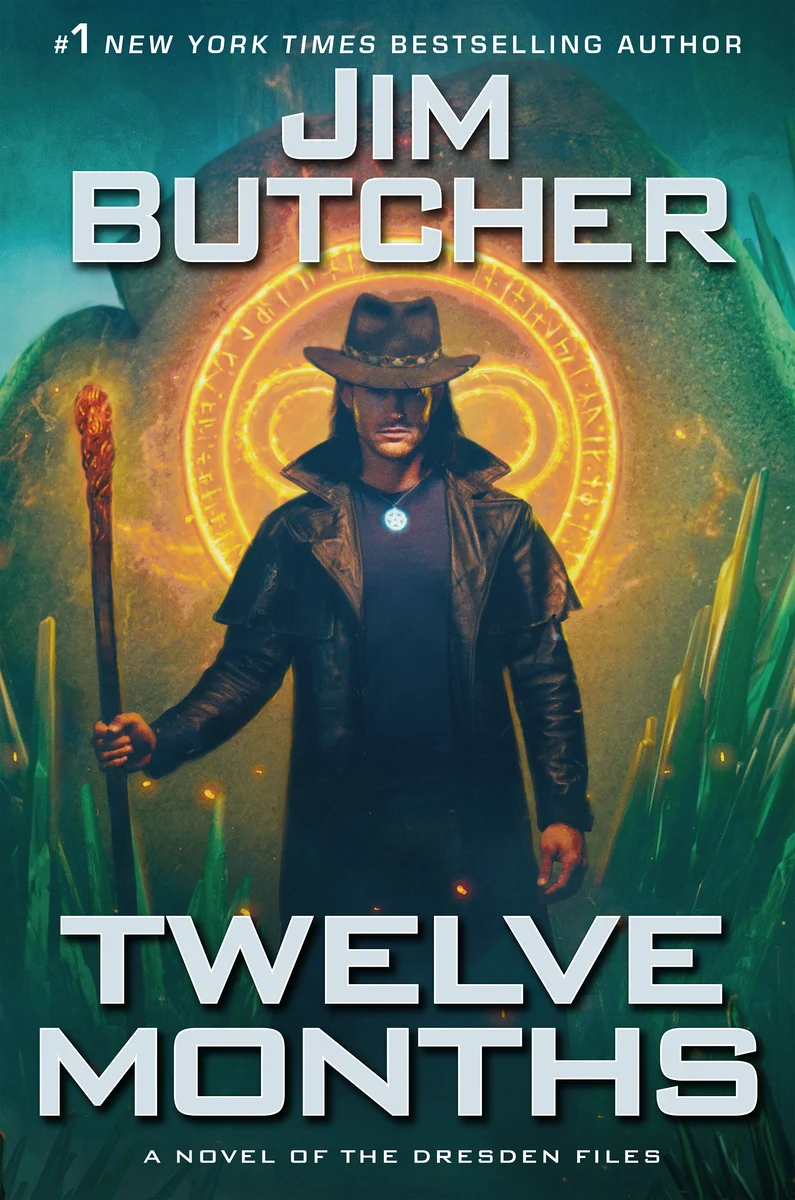
Lazy_Cat started reading Twelve Months by Jim Butcher (Dresden Files, #18)

This link opens in a pop-up window
25% complete! Lazy_Cat has read 3 of 12 books.


The secret war that defines the Library has chosen its champions and set them on the board
The fate …
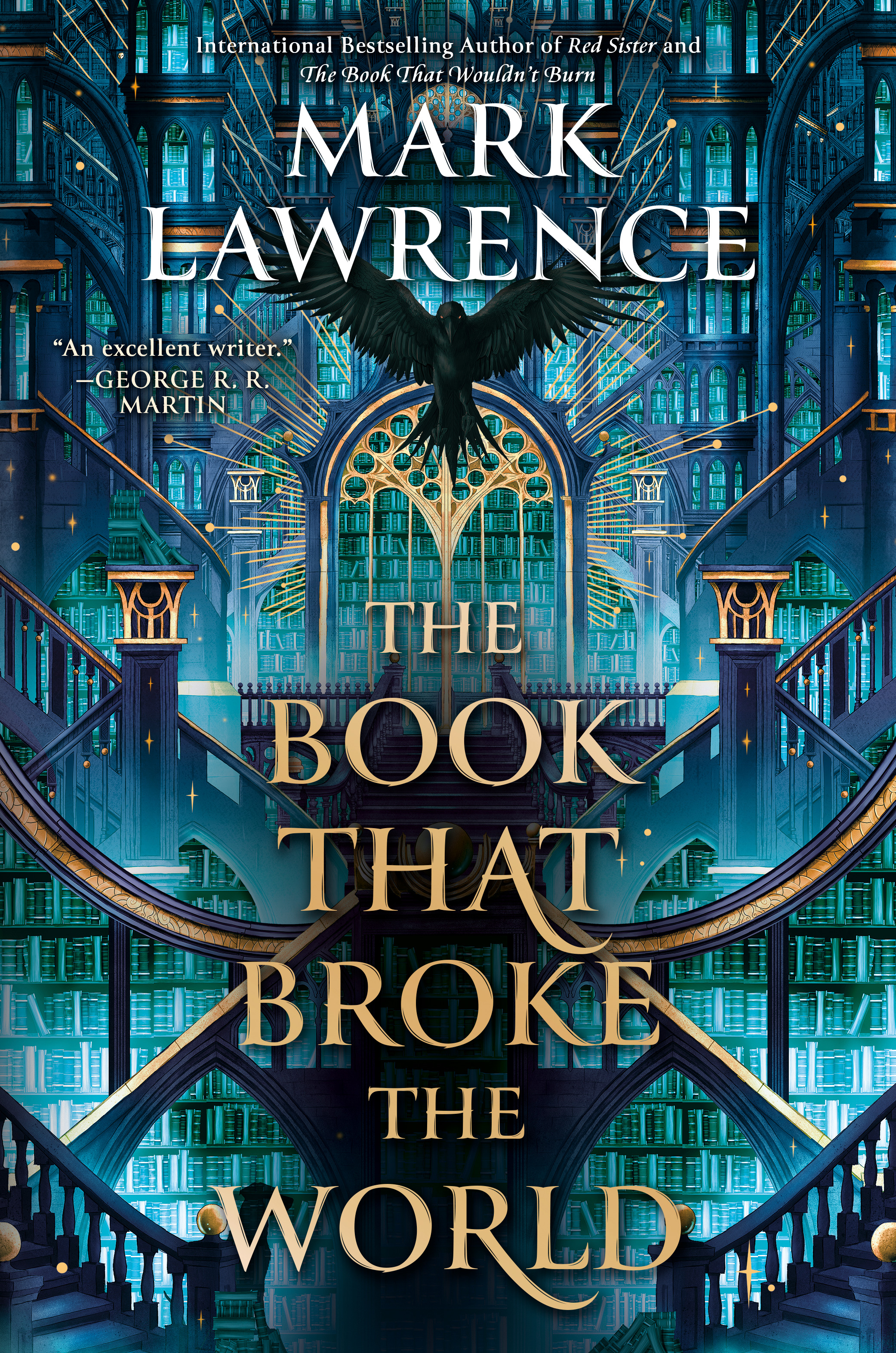
United in their togetherness, they had become something other than human, substituting a mob's instincts for those of a person. And here again, the simple mathematics of us and them had given a crowd license to chew pasties and joke among themselves while they watched the living become the dead.
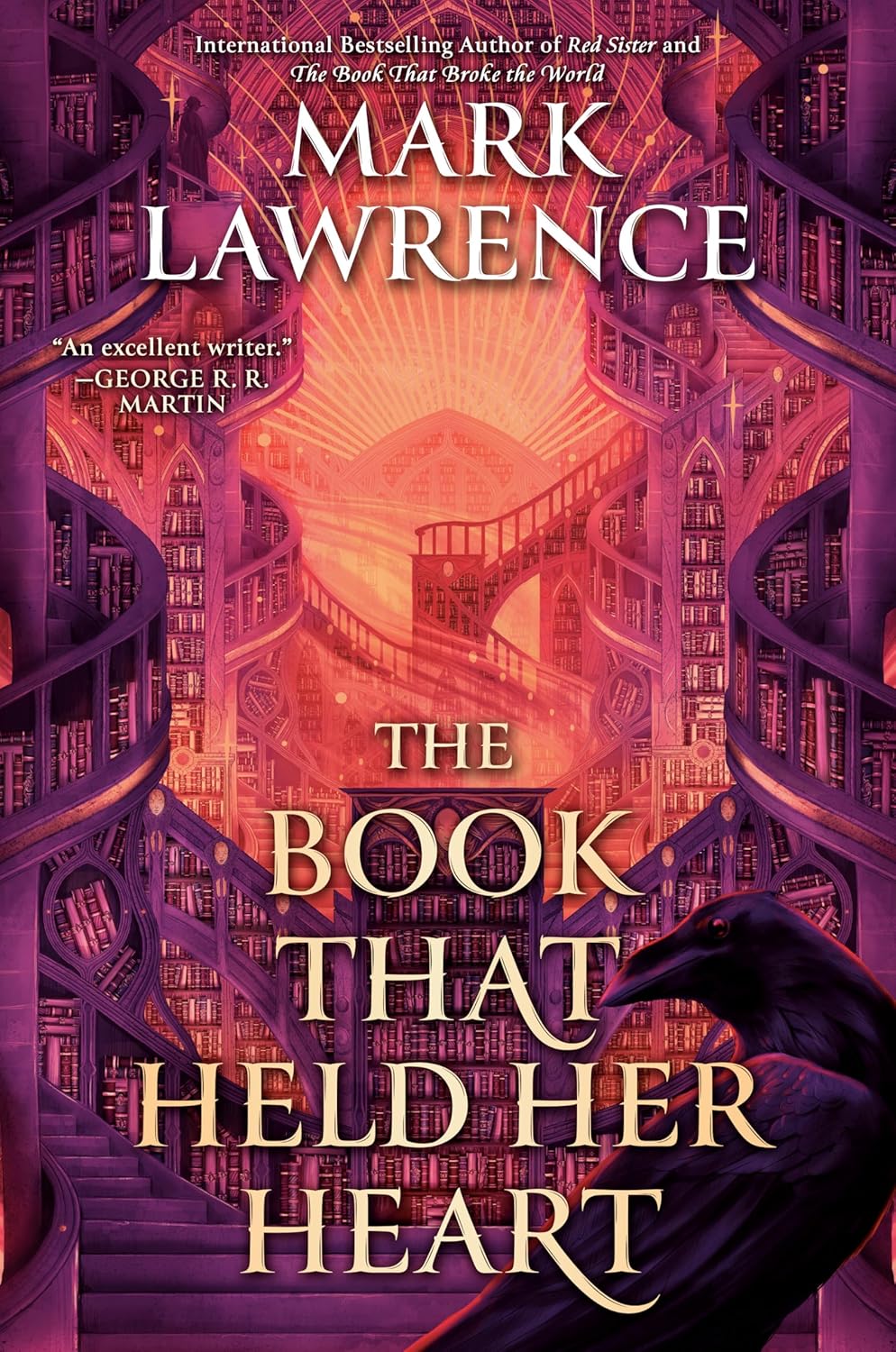
— The Book That Held Her Heart by Mark Lawrence (The Library Trilogy, #3) (Page 381)
Book 3 of this series is just filled to the brim with stuff like this. It's not subtle, and that's not a complaint. It's very much a product of today.

The secret war that defines the Library has chosen its champions and set them on the board
The fate …

Two people living in a world connected by a vast and mysterious library must fight for those they love in …

Two people living in a world connected by a vast and mysterious library must fight for those they love in …
This is a book about books and knowledge and libraries - those kinds of meta stories can be really hard to pull off I've found, but he did a solid job.
It's also got time travel shenanigans which I love. He pulls that off well too I think.
Lots of good twists even in this book.
I cannot wait to read the rest!
This is a book about books and knowledge and libraries - those kinds of meta stories can be really hard to pull off I've found, but he did a solid job.
It's also got time travel shenanigans which I love. He pulls that off well too I think.
Lots of good twists even in this book.
I cannot wait to read the rest!
It's in the nature of humans to want to belong to a group, to want to be accepted, appreciated, and needed. What is most frightening about their kind are the sacrifices they are prepared to make in order to become part of such a tribe, clique, sect, sewing circle, cult, or book club. Reason and morality are often at the top of the list of what must be surrendered as part of the club fees. Truth becomes a collective property, an adaptable shield used to shelter the in-group from those outside.
Dogs, on the other hand, are great.
-Training Your Labrador, by Barbara Timberhut
— The Book That Wouldn't Burn by Mark Lawrence (The Library Trilogy, #1) (Page 697)
I'm pretty sure Mark Lawrence just made this book up but I can never be entirely certain. Either way, great quote.

Neverwhere is the companion novelisation written by English author Neil Gaiman of the television serial Neverwhere, by Gaiman and Lenny …
Pride is stupid, pride is blind, but pride is also the backbone that runs through us: without pride there's no spring-back, no resilience.
— The Book That Wouldn't Burn by Mark Lawrence (The Library Trilogy, #1) (Page 182)

A boy has lived his whole life trapped within a vast library, older than empires and larger than cities.
…
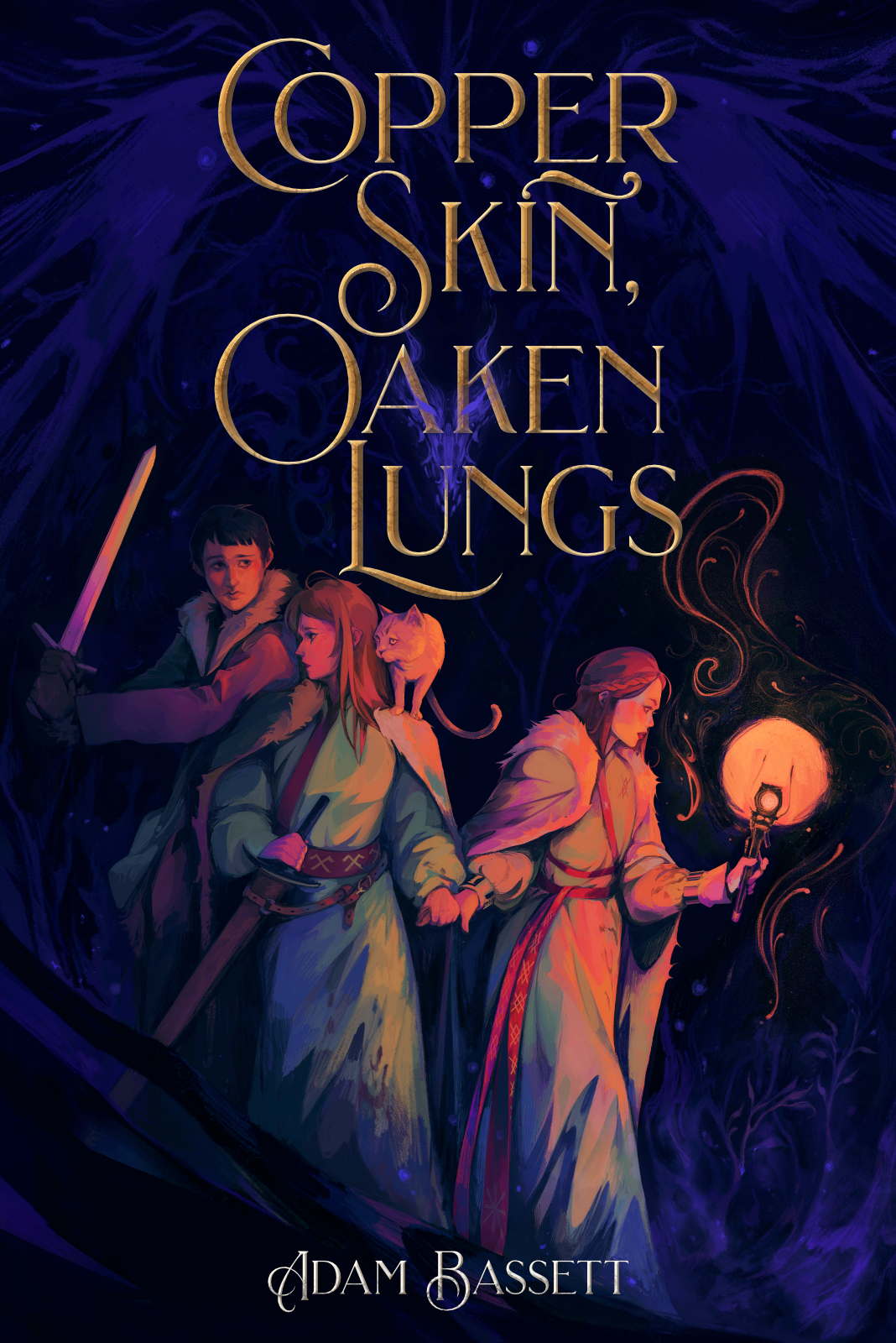
I really waffled between giving this 3 stars or 4. Consider it a 3.5.
There were parts of this book I really enjoyed, and there were parts that felt like misses. I will say the ending felt very solid and I was actually pretty happy with it. The world building was very good, and I wish there had been a bit more of it.
Some of the prose felt a little stilted. Other parts felt heartfelt and beautiful. It's hard to quantify any particular areas as being weaker than others, it was just a feeling that cropped up from time to time while reading.
I did quite enjoy the evolution of the relationships, and Zyll the goblin was an especially interesting character, but it was hard for me at times to like Fern. Being accused of being 'chronically dissatisfied' felt apt, and I don't entirely feel like …
I really waffled between giving this 3 stars or 4. Consider it a 3.5.
There were parts of this book I really enjoyed, and there were parts that felt like misses. I will say the ending felt very solid and I was actually pretty happy with it. The world building was very good, and I wish there had been a bit more of it.
Some of the prose felt a little stilted. Other parts felt heartfelt and beautiful. It's hard to quantify any particular areas as being weaker than others, it was just a feeling that cropped up from time to time while reading.
I did quite enjoy the evolution of the relationships, and Zyll the goblin was an especially interesting character, but it was hard for me at times to like Fern. Being accused of being 'chronically dissatisfied' felt apt, and I don't entirely feel like that description was ever really fixed. The ending/epilogue tied off some of the emotional loose ends, but I feel like a bit more could have been done to show Fern slowly coming into what it is she truly wanted instead.
Not at a bad read at all; not something I'll probably re-read though.

OMNE TRIUM PERFECTUM.
The Hierarchy still call me Vis Telimus. Still hail me as Catenicus. They still, as one, …
What a fantastic book. I am biased in that I really love Robert Jackson Bennett's writing, but this was definitely a good story. Very weighty. I've criticized other books for bringing up philosophical questions and not answering them but that's because those books literally bring them up, using characters as a mouthpiece to just point blank ask questions which is unsatisfying. This book makes YOU ask the questions. It has a lot to say about religion and bureaucracy, about history and truth, and about generational pain and trauma.
Amusingly, if the Shadow of the Leviathan series is about trusting the system, then the Divine Cities series (or at least this book) is about bucking establishment and rules in an effort to do good instead of serving the status quo.
What a fantastic book. I am biased in that I really love Robert Jackson Bennett's writing, but this was definitely a good story. Very weighty. I've criticized other books for bringing up philosophical questions and not answering them but that's because those books literally bring them up, using characters as a mouthpiece to just point blank ask questions which is unsatisfying. This book makes YOU ask the questions. It has a lot to say about religion and bureaucracy, about history and truth, and about generational pain and trauma.
Amusingly, if the Shadow of the Leviathan series is about trusting the system, then the Divine Cities series (or at least this book) is about bucking establishment and rules in an effort to do good instead of serving the status quo.
This wasn't anything to write home about. I get why it might have broad appeal but I've definitely read better romantacy books--and worse. I have some general criticisms on why I didn't enjoy this more. First, the protagonist started off very interesting and then got very un-interesting. I liked learning about her and her world and how she saw things, but as the story wore on, she became flatter and more of a trope than a unique person.
Secondly, the writing is just overly dramatic at several points. To the point where it grated (though sometimes it looped back around and just flat out became funny.) Some of the things Feyre says are so overwrought, which only further contributes to my previous point.
She also seems to suffer from holding the Idiot Ball several times. I couldn't tell if we were supposed to think she was clever or …
This wasn't anything to write home about. I get why it might have broad appeal but I've definitely read better romantacy books--and worse. I have some general criticisms on why I didn't enjoy this more. First, the protagonist started off very interesting and then got very un-interesting. I liked learning about her and her world and how she saw things, but as the story wore on, she became flatter and more of a trope than a unique person.
Secondly, the writing is just overly dramatic at several points. To the point where it grated (though sometimes it looped back around and just flat out became funny.) Some of the things Feyre says are so overwrought, which only further contributes to my previous point.
She also seems to suffer from holding the Idiot Ball several times. I couldn't tell if we were supposed to think she was clever or not. Sometimes she was, and sometimes she wasn't, and it always whatever was most convenient to the plot at the time.
Finally, I really didn't care for the set up of a love triangle. Having an anti-hero in the mix is fine--I tend to like those characters--but holding up a neon sign that says "Secondary Love Interest" just diminished what would have otherwise been an interesting character.