electronic resource
English language
Published Dec. 5, 2010 by Penguin Group UK.
electronic resource
English language
Published Dec. 5, 2010 by Penguin Group UK.
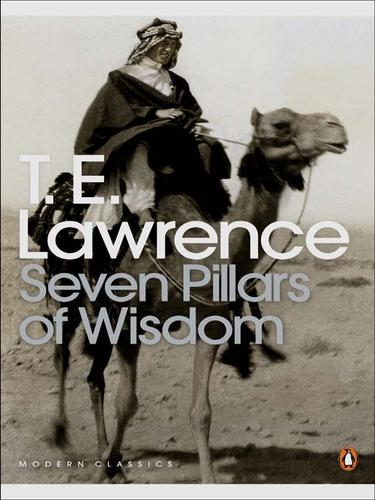
In his classic book, T.E. Lawrence - forever known as Lawrence of Arabia - recounts his role in the origins of the modern Arab world. Initially a shy Oxford scholar and archaeologist with a facility for languages, he joined to lead the Arab Revolt against the Ottoman Turks while the other world was embroiled in World War I. People believe Lawrence passionately, and his incisive portraits of key players, from Faisal bin Hussein, the future Hashemite king of Syria and Iraq, to General Sir Edmund Allenby and other members of the British Imperial Forces, The Seven Pillars of Wisdom is an indispensable primary historical source. They help us understand today's Middle East, while giving us thrilling accounts of military exploitation (including the liberation of Aqaba and Damascus), covert activities, and human error. [Text sourced from the Arabic below]
في كتابه الكلاسيكي، T.E. يروي لورنس - المعروف إلى الأبد باسم …
In his classic book, T.E. Lawrence - forever known as Lawrence of Arabia - recounts his role in the origins of the modern Arab world. Initially a shy Oxford scholar and archaeologist with a facility for languages, he joined to lead the Arab Revolt against the Ottoman Turks while the other world was embroiled in World War I. People believe Lawrence passionately, and his incisive portraits of key players, from Faisal bin Hussein, the future Hashemite king of Syria and Iraq, to General Sir Edmund Allenby and other members of the British Imperial Forces, The Seven Pillars of Wisdom is an indispensable primary historical source. They help us understand today's Middle East, while giving us thrilling accounts of military exploitation (including the liberation of Aqaba and Damascus), covert activities, and human error. [Text sourced from the Arabic below]
في كتابه الكلاسيكي، T.E. يروي لورنس - المعروف إلى الأبد باسم لورنس العرب - دوره في أصل العالم العربي الحديث. في البداية كان باحث أكسفورد وعالم آثار خجولًا لديه مرفق للغات ، وانضم لقيادة الثورة العربية ضد الأتراك العثمانيين بينما كان العالم الآخر متورطًا في الحرب العالمية الأولى. يؤمن الناس لورانس بشغف ، صوره القاطعة للاعبين الرئيسيين ، من فيصل بن حسين ، الملك الهاشمي المستقبلي في سوريا والعراق ، إلى الجنرال السير إدموند اللنبي وأعضاء آخرين في القوات الإمبراطورية البريطانية ، أركان الحكمة السبعة أمر لا غنى عنه المصدر التاريخي الأساسي. إنها تساعدنا على فهم الشرق الأوسط اليوم ، بينما تعطينا روايات مثيرة عن الاستغلال العسكري (بما في ذلك تحرير العقبة ودمشق) ، والأنشطة السرية ، والأخطاء البشرية.