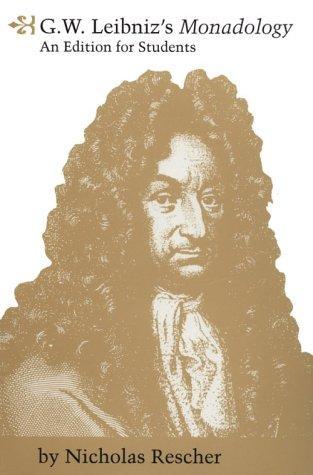
Gottfried Wilhelm (von) Leibniz (1 July 1646 [O.S. 21 June] – 14 November 1716) was a German polymath active as a mathematician, philosopher, scientist and diplomat. He is one of the most prominent figures in both the history of philosophy and the history of mathematics. He wrote works on philosophy, theology, ethics, politics, law, history and philology. Leibniz also made major contributions to physics and technology, and anticipated notions that surfaced much later in probability theory, biology, medicine, geology, psychology, linguistics and computer science. In addition, he contributed to the field of library science: while serving as overseer of the Wolfenbüttel library in Germany, he devised a cataloging system that would have served as a guide for many of Europe's largest libraries. Leibniz's contributions to this vast array of subjects were scattered in various learned journals, in tens of thousands of letters and in unpublished manuscripts. He wrote in several languages, primarily in Latin, French and German, but also in English, Italian and Dutch.As a philosopher, he was one of the greatest representatives of 17th-century rationalism and idealism. As a mathematician, his greatest achievement was the development of the main ideas of differential and integral calculus, independently of Isaac Newton's …
Gottfried Wilhelm Leibniz
Author details
- Aliases:
-
Gottfried Wilhelm Freiherr Von Leibniz, Leibnitii, ゴツトフリード ウイルヘルム ライプニツツ, and 201 others
Laipeunicheuwa, Gottfried Wilhelm Leibnuzius, G. Le Bnits, Gotfrid Vilʹgelm Lejbnic, لايبنيتس, Veridicus de Justiniano, Godofridus Guilielmus Leibnitius, G.G. Leibnitius, Gottfried W. Leibnüz, Godofredus G. Leibnitz, Gotfrid Vilʹgelʹm Leĭbnit︠s︡, Gottfried W. von Leibnitz, G. V. Lejbnic, Gotofredus Gulielmus Leibnitzius, G. G. L. L, Готфрид Лейбниц, Freiherr Gottfried Wilhelm von Leibniz, Caesarinus Fürstenerius, 萊布尼茲, गट्फ्राइड लीब्निज्, גוטפריד ווילהלם לייבניץ, M. de Leibnitz, Gottfrid Wilhelm Leibnütz, Gottfried Wilhelm Freiherr von Leibniz, Готфрид Лайбниц, Germano Gallo-Graecus, Caesarinus Furstenerius Republicanus, Gootfiriid Viilheelmi voon Laayibiniizi, Готфридъ-Вильгельм Лейбницъ, Gottfredus Guilielmus Leibnizius, .. Laipŭnitsŭ, ليبنتز، ج. ف, கோட்பிரீட் லைப்னிட்ஸ், גוטפריד וילהם לייבניץ, Лейбниц, Լայբնից Գոթֆրիդ Վիլհելմ, Guillaume Leibniz, Gottfried W. Leibnuzius, Guglielmo Leibniz, ឡែបនី, గాట్ ఫ్రెడ్ లీబ్నిజ్, Godofredus Guilielmus Leibniz, Gotfrid Vil'gel'm Leibnits, Gottfried G. Leibniz, Gottfried W. Leibnütz, غوتفريد لايبنتز, 戈特弗里德·莱布尼茨, 臘尼茲, Gotofredus Guilielmus Leibniz, Jerzy Ulikovius Litwin, Gottfried Wilhelm Leibniz, Godofredus G. Leibnitzius, Gotfrīds Vilhelms Leibnics, 莱布尼茨, Georgius U. Lithuanus, Caesarius Furstenerius, G. Leibnitz, Caesarinus Fuerstenerius, Готфрид Мильгельм Лейбниц, Godefridus Guilielmus Leibnizius, G. W Leibniz, G. G. L L, G.W. Leibniz, G. W. L, গটফ্রিড লাইবনিৎস, Gothofredus Guillelmus Leibnitius, Gotfrids Vilhelms Leibnics, ライブニツ, God. Guil Leibnitius, فون ليبنتز، غوتفريد فيلهيلم،, Gotfrid Vilhelm Lajbnic, G. W. Leibnitz, Caesar Fürsteneer, Gottfried Wilhelm Freiherr von Leibnitz, Guillielmus G. Leibnitius, ... de LaHontan, Godofredus Guilielmus Leibnitzius, ليبنتز، غوتفريد فيلهيلم فون،, Godefredus Guilielmus Leibnitius, Gottfried W. Leibniz, Gottfried Wilhelm von Leibnitz, ഗോട്ട്ഫ്രൈഡ് ലെയ്ബ്നിസ്, Godefridus Guilielmus Leibnitius, Godefroy-Guillaume Leibnitz, Goffredo Guglielo Leibniz, Gothofredus Guilielmus Leibnitius, गाटफ्रीड लैबनिट्ज़, G Leĭbnit︠s︡, Germanus G.- Graecus, گوتفرید لایبنیتس, Gottfried Wilhelm Leibnüz, Готфрыд Лейбніц, ライプニッツ, Gottfried Wilheln Leibniz, Godfred Wilhelm Lejbnic, ليبنتز، جوتفريد ولهلم, Godefridus G. Leibnizius, ゴットフリート・ヴィルヘルム ライプニッツ, ሌብኒትዝ, Готфрид Вильгельм Лейбниц, Georg Wilhelm von Leibnitz, Godfridus Guilielmus Leibnizius, Raibunittsu, G.G.L.L, G. Leĭbnit︠s︡, ليبنتس، جوتفريد فلهلم،, گۆتفرید لایبنیتس, Gottfried W. Lubeniecz, Gulielmus Leibnitius, Caesarinus Furstenerius, G. G. L, Semper Sibisimilis, 고트프리트 빌헬름 라이프니츠, גאטפריד ווילהעלם לייבניץ, Gotfrydas Vilhelmas Leibnicas, Godofredus G. Leibniz, Godofredus Guilielmus Leibnizius, Guilelmus Gottofredus Leibnütz, Готфрид Вилхелм Лајбниц, Gottfried Wilhelm Leibnüzius, ライプニツ, G. G. Leibnitio, جوتفريد فلهلم ليبنتس،, ... de Leibnitz, Gotfridus Guilelmus Leibnizius, Qotfrid Leybnits, Georg W. Leibniz, Gottfried Wilhelm Von Leibniz, Laibunici, Gottfredus Guilielmus Leibnitius, G. Guglielmo Leibniz, .. Leibnitii, غوتفريد فيلهيلم ليبنتز،, ਗੌਟਫ਼ਰੀਡ ਲਾਇਬਨਿਜ਼, Gotfrīds Leibnics, Georgius Ulicovius Lithuanus, Г. В Лейбниц, .. Lejbnic, Godofridus G. Leibnitius, Wilhelm Pacidius, Gottfried Wilhelm Freiherr Von Leibnitz, Godofredus G. Leibnitius, Gotofredus Guilelmus Leibniz, Gottfredus Guilielmus Leibnüzius, Gotfrid Vilʹgelʹm Lejbnic, Gottfredus G. Leibnizius, .. Leibniz-Clarke, ليبنتز،, Germanus Gallo-Graecus, Gottfried W. Leibnitz, Godefroi-Guillaume Leibnitz, Freybach, ゴットフリート・ライプニッツ, גוטפריד וילהלם ליבניץ, Godofredus Guilielmus Leibnitz, .. Leibniz, Godofredus Guilielmus Leibnitius, Gottfried Wilhelm von Leibniz, Готфрыд Ляйбніц, G. W. Leibniz, Gottefridus Leibnitius, Ґотфрід Вільгельм Лейбніц, ගොට්ෆ්රයිඩ් ලෙයිබ්නිස්, ゴットフリード・ヴィルヘルム ライプニッツ, Godofredus Guilielmus de Leibnitz, 来布尼兹, Godofredus G. de Leibnitz, Godofredus Guilielmus Leibnüzius, Georg Wilhelm Leibnitz, Georg Wilhelm Leibniz, Georgius Gulielmus von Leibnitz, La i peu ni cheu wa, Fürstenerius, გოტფრიდ ლაიბნიცი, Goffredo G. Leibniz, Gothofredus Guilielmus Leibnitzius, گوٹفرائیڈ لیبنز, گوٹفریڈ ویلہم لائبنیز, Gottfried Wilhelm Leibnitz, Guotfrīds Leibnėcos, Godefridus G. Leibnitius, لايبنتز، غوتفريد فيلهلم،, لايبنتز، غوتفريد ولهلم فون،, Godofredus G. Leibnizius, G.G.L, Goffredo Guglielmo Leibniz, गॉटफ्रीड लाइब्नित्स, Готфрид Вильгельм фон Лейбниц, Georgius V. Lithvanus, Leibnitz, .. Leibnitz, Γκότφριντ Βίλχελμ Λάιμπνιτς, جوتفريد فيلهلم لايبنتس،, Gottfredus Guilielmus Leibnuzius, กอทท์ฟรีด วิลเฮล์ม ไลบ์นิซ, Gotfried Leibniz, Leibniz, Kô-thi̍t-fu̍t-lòi-tet Vî-liâm Lòi-pu-nì-tsṳ, Gottfried Leibniz, גוטפריד וילהלם לייבניץ, G.G. L - Born:
- July 1, 1646
- Died:
- Nov. 14, 1716
External links
Gottfried Wilhelm (von) Leibniz (1 July 1646 [O.S. 21 June] – 14 November 1716) was a German polymath active as a mathematician, philosopher, scientist and diplomat. He is one of the most prominent figures in both the history of philosophy and the history of mathematics. He wrote works on philosophy, theology, ethics, politics, law, history and philology. Leibniz also made major contributions to physics and technology, and anticipated notions that surfaced much later in probability theory, biology, medicine, geology, psychology, linguistics and computer science. In addition, he contributed to the field of library science: while serving as overseer of the Wolfenbüttel library in Germany, he devised a cataloging system that would have served as a guide for many of Europe's largest libraries. Leibniz's contributions to this vast array of subjects were scattered in various learned journals, in tens of thousands of letters and in unpublished manuscripts. He wrote in several languages, primarily in Latin, French and German, but also in English, Italian and Dutch.As a philosopher, he was one of the greatest representatives of 17th-century rationalism and idealism. As a mathematician, his greatest achievement was the development of the main ideas of differential and integral calculus, independently of Isaac Newton's contemporaneous developments, and mathematicians have consistently favored Leibniz's notation as the conventional and more exact expression of calculus.However, it was only in the 20th century that Leibniz's law of continuity and transcendental law of homogeneity found a consistent mathematical formulation by means of non-standard analysis. He was also a pioneer in the field of mechanical calculators. While working on adding automatic multiplication and division to Pascal's calculator, he was the first to describe a pinwheel calculator in 1685 and invented the Leibniz wheel, used in the arithmometer, the first mass-produced mechanical calculator. He also refined the binary number system, which is the foundation of nearly all digital (electronic, solid-state, discrete logic) computers, including the Von Neumann architecture, which is the standard design paradigm, or "computer architecture", followed from the second half of the 20th century, and into the 21st. Leibniz has been called the "founder of computer science".In philosophy and theology, Leibniz is most noted for his optimism, i.e. his conclusion that our world is, in a qualified sense, the best possible world that God could have created, a view sometimes lampooned by other thinkers, such as Voltaire in his satirical novella Candide. Leibniz, along with René Descartes and Baruch Spinoza, was one of the three great early modern rationalists. His philosophy also assimilates elements of the scholastic tradition, notably the assumption that some substantive knowledge of reality can be achieved by reasoning from first principles or prior definitions. The work of Leibniz anticipated modern logic and still influences contemporary analytic philosophy, such as its adopted use of the term "possible world" to define modal notions.