The Film Optimist rated Ms. Marvel, Vol 2: 4 stars
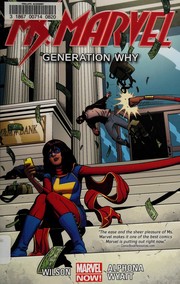
Ms. Marvel, Vol 2 by G. Willow Wilson, G. Willow Wilson (Marvel now!)
Who is the Inventor, and what does he want with the all-new Ms. Marvel and all her friends? Maybe Wolverine …

Movie freak and one-time avid reader getting back into the reading (and writing) habit.
This link opens in a pop-up window
Who is the Inventor, and what does he want with the all-new Ms. Marvel and all her friends? Maybe Wolverine …

Janet Evanovich: Two for the Dough (1996, Penguin Books, Limited)
Stephanie Plum is still an inexperienced bounty hunter, so her boss and cousin Vinnie gives her an easy case: apprehend …
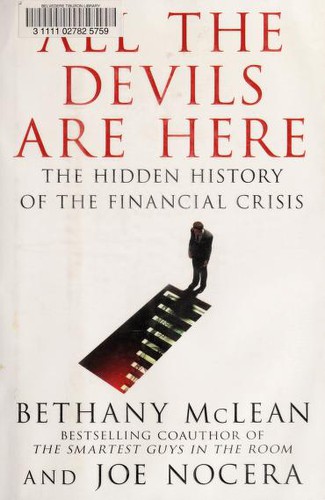
According to the authors, both business journalists, no one has put all the pieces of the financial crisis together. This …

"What would you do if you had a time machine? Bet on sporting events? Assassinate …
A book that takes the long way around to get to a fairly simple (if sometimes easy to forget) moral, but does it with such charm and humor you don't really mind.
A book that takes the long way around to get to a fairly simple (if sometimes easy to forget) moral, but does it with such charm and humor you don't really mind.
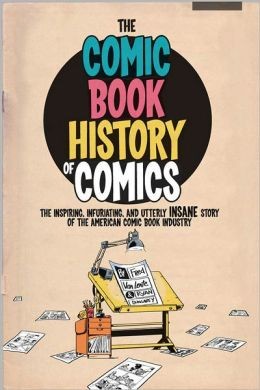
The medium is the message! Comics come in many forms, from all around the world. …
A decent overview of the issues surrounding and shaping the history of comics that delves into some of the less-heard stories. It's nice to see a history of the comics code that recognizes Wertham as an influential psychologist who effected a lot of positive change in his career instead of depicting him as a merciless killjoy.
Of course, several important issues get short shrift – but that's to be expected from a broad history of a medium. There's just not enough time or space to delve into the creation of Marvelman when you still have to get to the 90's speculation bubble and how it collapsed.
The two most troubling aspects of the book are in its organization and its choice of illustration. For the first, the nonlinear structure leads you in circles sometimes – as when the discussion of the rise and fall of EC is divided into separate …
A decent overview of the issues surrounding and shaping the history of comics that delves into some of the less-heard stories. It's nice to see a history of the comics code that recognizes Wertham as an influential psychologist who effected a lot of positive change in his career instead of depicting him as a merciless killjoy.
Of course, several important issues get short shrift – but that's to be expected from a broad history of a medium. There's just not enough time or space to delve into the creation of Marvelman when you still have to get to the 90's speculation bubble and how it collapsed.
The two most troubling aspects of the book are in its organization and its choice of illustration. For the first, the nonlinear structure leads you in circles sometimes – as when the discussion of the rise and fall of EC is divided into separate discussions of their horror and crime lines, meaning we get two separate discussions of the creation of the Comics Code Authority followed by a further, detailed history of the CCA.
The second surfaces rarely, but it is present – as when discussion of the retreat of direct market comic outlets to reliance on hardcore comic audiences concludes with a statement that the retreat was a necessary consequence of the end of the newsstand market. Unfortunately, the conclusion comes immediately after an illustration of a comics store clerk screaming "Get your dirty pillows out of my store!" while turning a hose on a young woman asking for a copy of "Strangers in Paradise." The illustration is suitable for addressing sexism (which doesn't get any direct attention in the book), but pairing it with the issue of exclusionary "hardcore geeks" suggests a position that women cannot be "true" comic fans. It is rare that these moments happen, but when they do they are jarring and distract from the history being presented.