Released 37 years ago today:
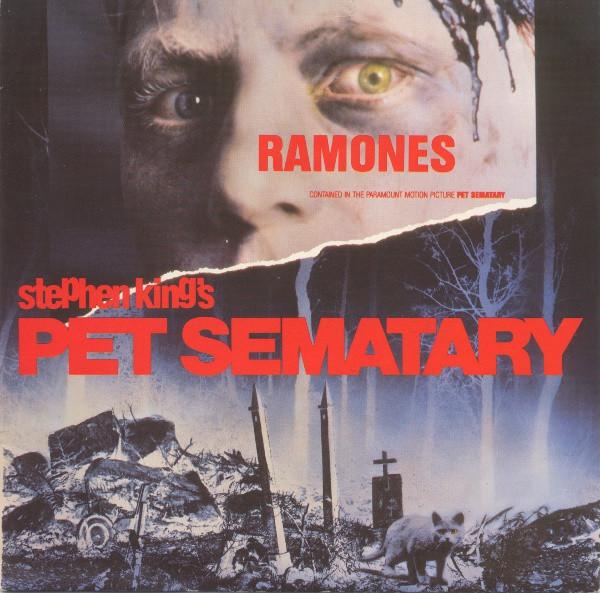
"Pet Sematary," a single by the Ramones, and also featured on their album "Brain Drain."
Ramones - Pet Sematary - Live London 92
#punk #punks #punkrock #ramones #petsematary #history #punkrockhistory #otd

See tagged statuses in the local bookrastinating.com community
Released 37 years ago today:
"Pet Sematary," a single by the Ramones, and also featured on their album "Brain Drain."
Ramones - Pet Sematary - Live London 92
#punk #punks #punkrock #ramones #petsematary #history #punkrockhistory #otd
Also 67 years old ⚡
Happy Birthday to Gerald Caiafa aka Jerry Only, American musician, bassist for the Misfits, Osaka Popstar, Kryst The Conqueror and Balzac, born on this day in 1959, Lodi, New Jersey
📸 Unknown
#punk #punks #punkrock #jerryonly #misfits #history #punkrockhistory #otd
Also 67 years old ⚡
Happy Birthday to Gerald Caiafa aka Jerry Only, American musician, bassist for the Misfits, Osaka Popstar, Kryst The Conqueror and Balzac, born on this day in 1959, Lodi, New Jersey
📸 Unknown
#punk #punks #punkrock #jerryonly #misfits #history #punkrockhistory #otd
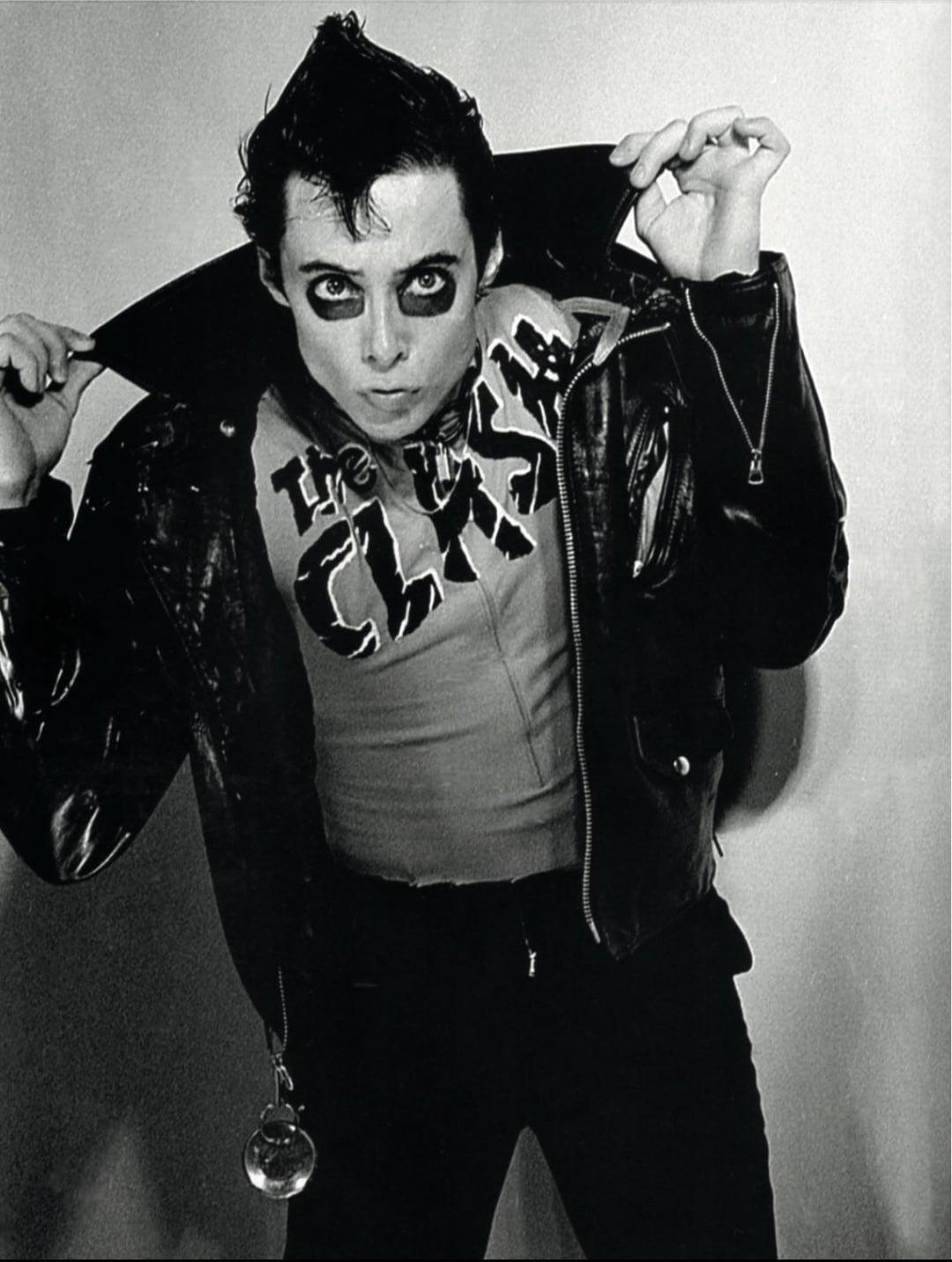
67 years old
Happy Birthday Robert Smith, lead guitarist of Siouxsie and the Banshees from 1982 to 1984 and continuous member of post-punk band The Cure since 1978, born on this day in 1959 in Black Pool, UK
📸 Tom Sheehan
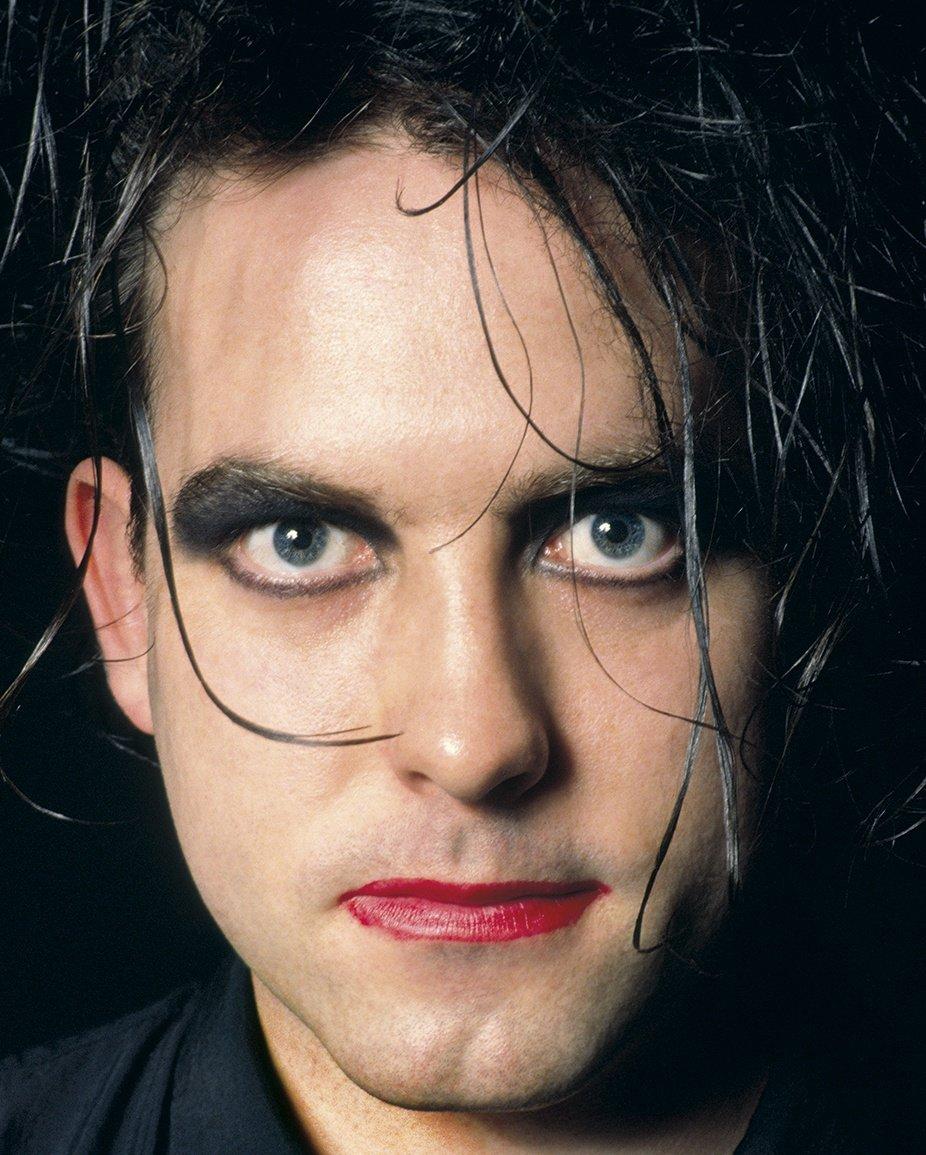
37 years ago today
"Pet Sematary" is a single by the American punk rock band Ramones, released on this day in 1989 and also included on their album Brain Drain.
#punk #punks #punkrock #ramones #petsematary #history #punkrockhistory #otd
❝
One can easily split what was never united,
the song of the two of us.
❞
In the Old English original, the words for “the song of the two of us” are “uncer giedd” – meaning “our song”, but just for two people.
“The dual pronoun is used in that poem, and I think it’s quite an intimate use, because it’s all about ‘We two together against the world’,” says Birkett. “Certainly in poetry, it has that use of creating an intimate connection between two people.”
– Sophie Hardach, Wit, unker, git: The lost medieval pronouns of English intimacy https://archive.is/OJQxe (originally from bbc.com)
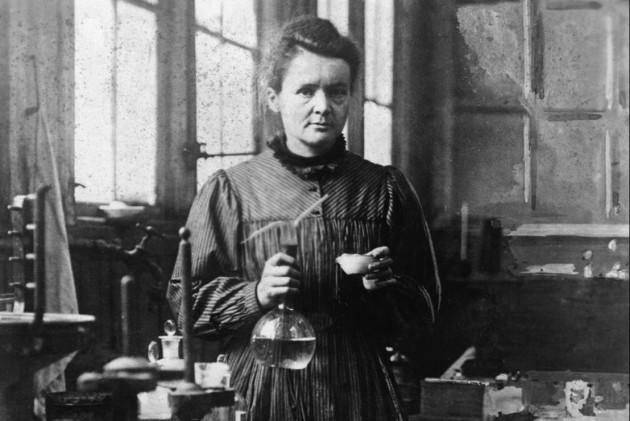
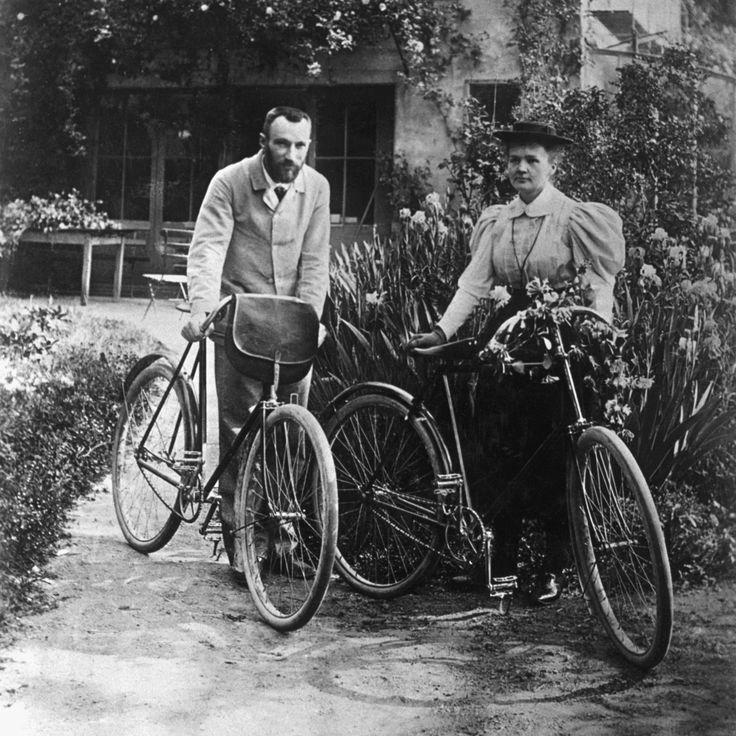
#OnThisDay, 20 Apr 1902, Maria Skłodowska-Curie and Pierre Curie refine radium chlorine. The discovery leads to Marie being the first woman to win the Nobel Prize for Physics in 1903.
The committee had planned to only award the Nobel to Pierre and Henri. Committee member and Swedish mathematician Magnus Gösta Mittag-Leffler alerted Pierre Curie to the plan. Pierre insisted Marie also receive the prize.
#WomenInHistory #OTD #History #WomenInSTEM #NobelWomen #Histodons
Released 47 years ago today
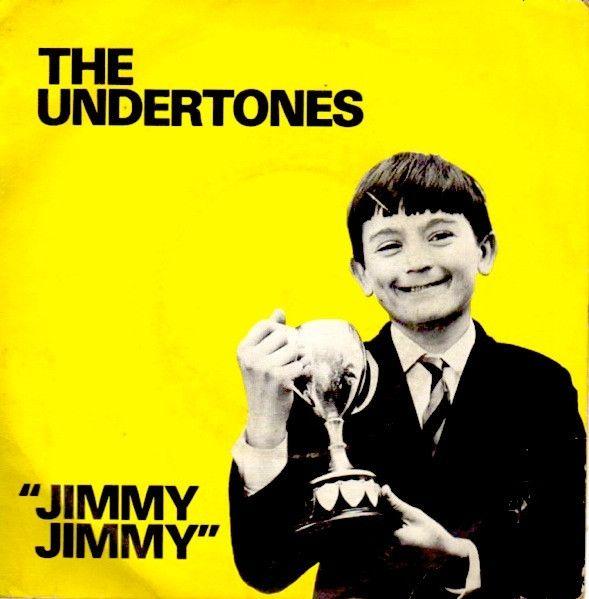
Jimmy Jimmy, the third single by the Northern Irish band The Undertones
Jimmy Jimmy - The Undertones (Old Grey Whistle Test 1979)
#punk #punks #punkrock #theundertones #jimmyjimmy #history #punkrockhistory #otd
51 years ago today
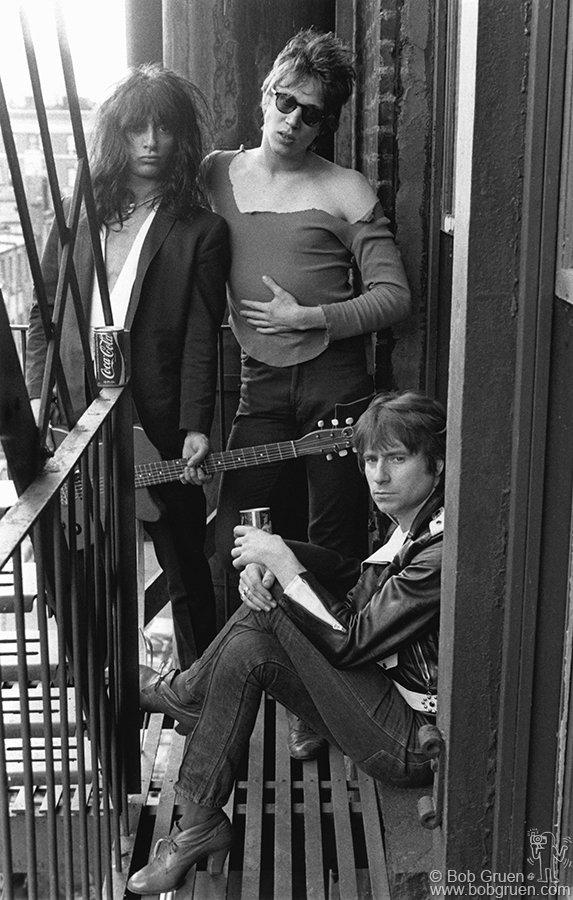
Johnny Thunders, Richard Hell and Jerry Nolan of The Heartbreakers on a fire escape, Chelsea Hotel, NYC. April 20, 1975.
Photo by Bob Gruen
#punk #punks #punkrock #punklegends #history #theheartbreakers #newyorkcity #history #punkrockhistory #otd
47 years ago today
Jimmy Jimmy is the third single by the Northern Irish band The Undertones, released on this day in 1979 and was also included on the band's self-titled debut album
#punk #punks #punkrock #theundertones #jimmyjimmy #history #punkrockhistory #otd
47 years ago today
Jimmy Jimmy is the third single by the Northern Irish band The Undertones, released on this day in 1979 and was also included on the band's self-titled debut album
#punk #punks #punkrock #theundertones #jimmyjimmy #history #punkrockhistory #otd
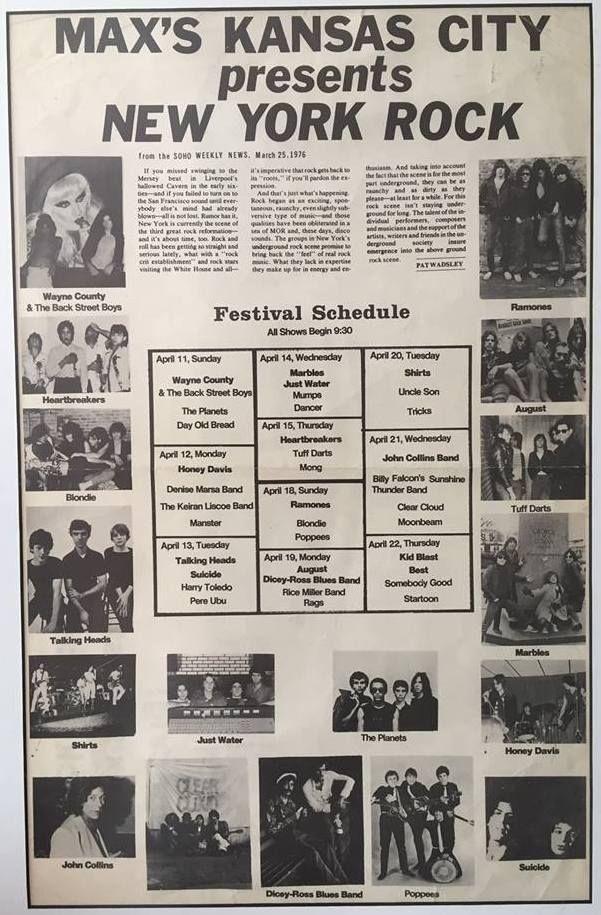
50 years ago - April 1976
Punk rock arrived in Max's Kansas City, New York City
Suicide, Wayne County, Ramones and Blondie set new tones at this club
#punk #punks #punkrock #knowyourroots #maxskansascity #history #punkrockhistory
50 years ago - April 1976
Punk rock arrived in Max's Kansas City, New York City
Suicide, Wayne County, Ramones and Blondie set new tones at this club
#punk #punks #punkrock #knowyourroots #maxskansascity #history #punkrockhistory
While we may not normally celebrate a holiday called "National Cheese Ball Day", last weekend for a medieval and Renaissance conference on stargazing at Ohio State University, Arlecchino (and other commedia dell'arte) went to the Moon in hopes it tasted like a big round ball of cheese! Spoiler alert: it did not!
(Pardon the poor footage; we had some technical difficulties with our camera during the performance.)
#CommediaDellArte #Commedia #Improv #Improvisation #Theater #OSU #OhioState #OhioStateUniversity #ScienceFiction #SciFi #Renaissance #History #Conference #ScienceFiction #SciFi
While we may not normally celebrate a holiday called "National Cheese Ball Day", last weekend for a medieval and Renaissance conference on stargazing at Ohio State University, Arlecchino (and other commedia dell'arte) went to the Moon in hopes it tasted like a big round ball of cheese! Spoiler alert: it did not!
(Pardon the poor footage; we had some technical difficulties with our camera during the performance.)
#CommediaDellArte #Commedia #Improv #Improvisation #Theater #OSU #OhioState #OhioStateUniversity #ScienceFiction #SciFi #Renaissance #History #Conference #ScienceFiction #SciFi
I was today years old when I learned that scientists from the 17th century had their own form of "preprints" to lay claim to ideas before they got them officially published.
Galileo wrote in a letter to Kepler "Haec immatura a me iam frustra leguntur o.y.", in English "These are now too young to be read by me)".
*After* his work was formally published, he explained the anagram to Kepler:
"Cynthiae figuras aemulatur mater amorum" (The mother of love imitates the shape of Cynthia)
By sending the letter, Galileo could prove to Kepler and others that he had observed that Venus (mother of love) had phases like the moon (Cynthia), without giving Kepler a chance to scoop him before his own work was published.
https://en.wikipedia.org/wiki/Phases_of_Venus
#HistoryOfScience #Astronomy #History #PrePrint #AcademicPublishing