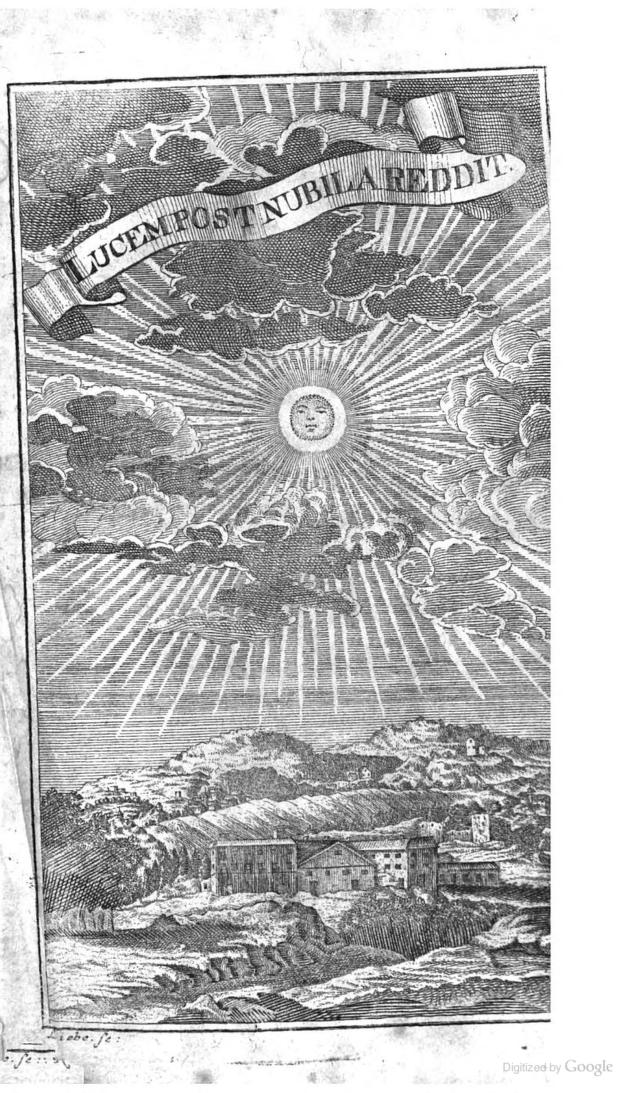
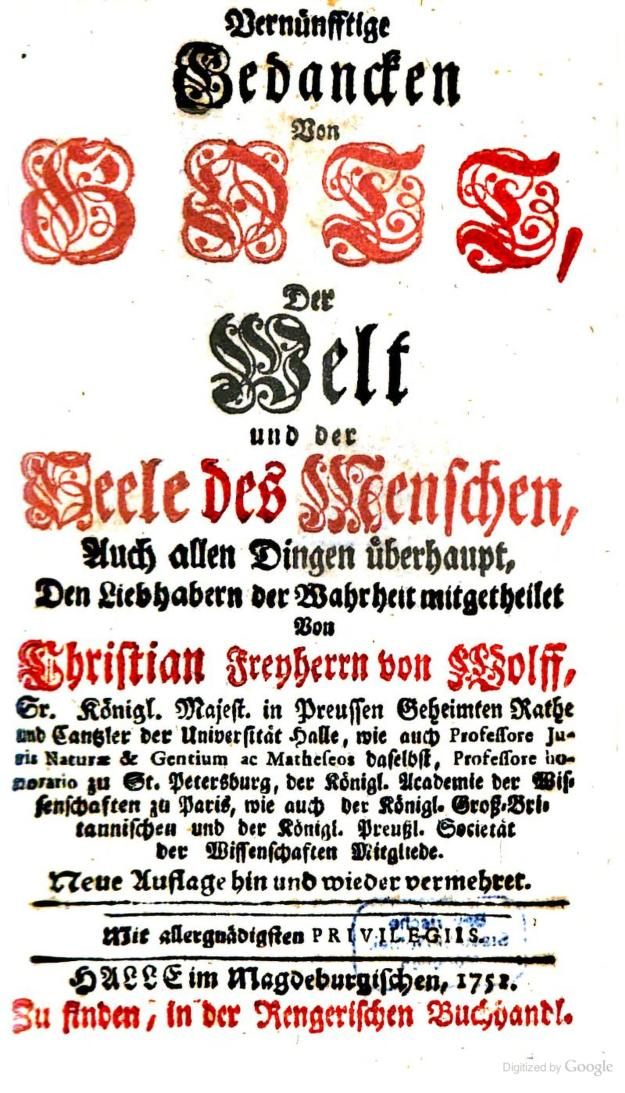
The great, forgotten Wolff
Written for laymen, read by women and kings, Christian Wolff’s mathematical method made him a key Enlightenment philosopher
by Michael Walschots
See tagged statuses in the local bookrastinating.com community
The great, forgotten Wolff
Written for laymen, read by women and kings, Christian Wolff’s mathematical method made him a key Enlightenment philosopher
by Michael Walschots
Picked up this history of Australian #philosophy on the chance it covered philosophical logic, and indeed @consequently , Graham Priest, relevance logic, and the Automated Reasoning Group make cameos. As a book the writing is delightfully funny and acerbic, but so biased towards the author's right wing politics and personal friends that it's hard to take seriously as history. He goes so far as to praise a 'gaps in the fossil records' anti-evolution book, and discusses David Stove at length while somehow not mentioning his remarkably explicit endorsements of racism and misogyny. University of Sydney also appears to receive excessive emphasis, although admittedly its 1970s split into right and left wing philosophy departments is bizarre and interesting. @bookstodon #bookstodon
Picked up this history of Australian #philosophy on the chance it covered philosophical logic, and indeed @consequently , Graham Priest, relevance logic, and the Automated Reasoning Group make cameos. As a book the writing is delightfully funny and acerbic, but so biased towards the author's right wing politics and personal friends that it's hard to take seriously as history. He goes so far as to praise a 'gaps in the fossil records' anti-evolution book, and discusses David Stove at length while somehow not mentioning his remarkably explicit endorsements of racism and misogyny. University of Sydney also appears to receive excessive emphasis, although admittedly its 1970s split into right and left wing philosophy departments is bizarre and interesting. @bookstodon #bookstodon
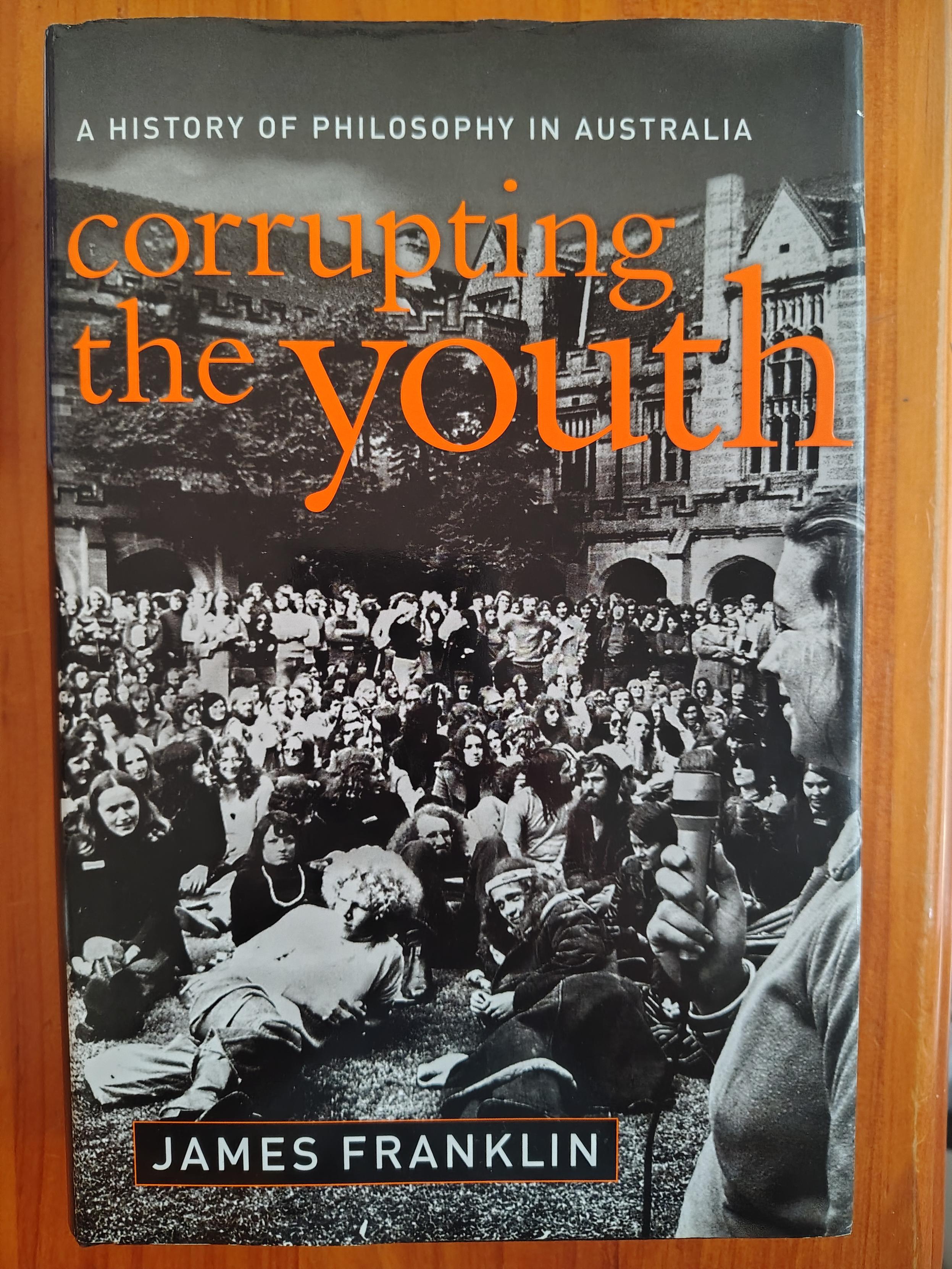
"When Zarathustra was thirty years old, he left his home and the lake of his home, and went into the mountains. There he enjoyed his spirit and solitude, and for ten years did not weary of it."
Opening lines
How Nietzsche’s Zarathustra Redefined Morality & Revolutionized Philosophy
by Viktoriya Sus
https://www.thecollector.com/nietzsche-thus-spoke-zarathustra-work-philosophy/
Zarathustra at PG:
https://www.gutenberg.org/ebooks/search/?query=Zarathustra+
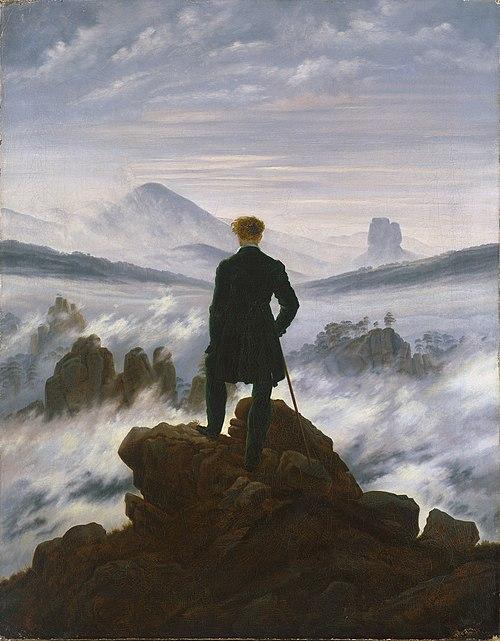
Bruno the brave
For anyone who dares to voice dangerous ideas and risk imprisonment or exile, Giordano Bruno remains a hero
by Stephanie Merritt
About Giordano Bruno at PG:
https://www.gutenberg.org/ebooks/subject/7069

A quote from Clare Carlisle's 'Transcendence for Beginners' about biography and life:
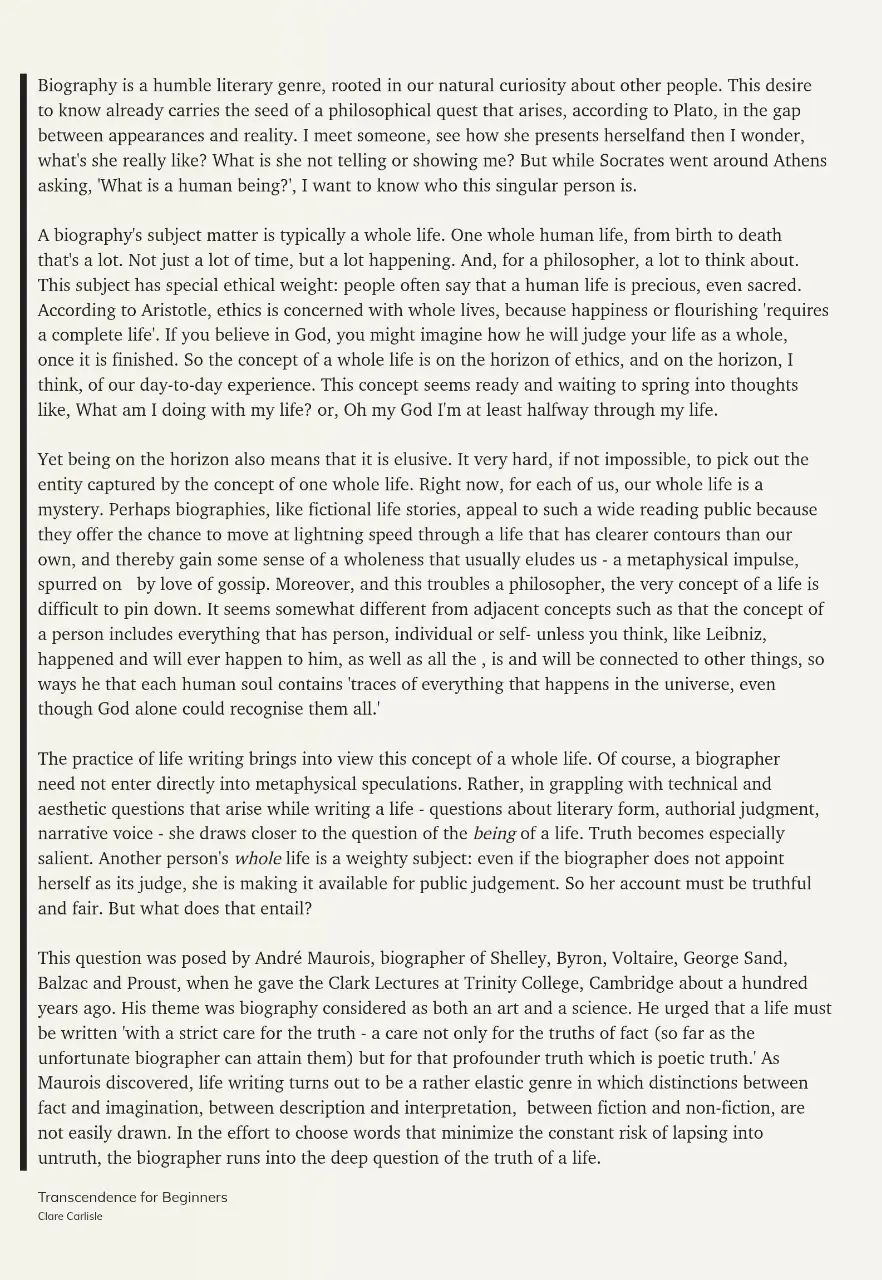
'Biography is a humble literary genre, rooted in our natural curiosity about other people. This desire to know already carries the seed of a philosophical quest that arises, according to Plato, in the gap between appearances and reality. I meet someone, see how she presents herselfand then I wonder, what's she really like? What is she not telling or showing me? But while Socrates went around Athens asking, 'What is a human being?', I want to know who this singular person is.
A biography's subject matter is typically a whole life. One whole human life, from birth to death that's a lot. Not just a lot of time, but a lot happening. And, for a philosopher, a lot to think about. This subject has special ethical weight: people often say that a human life is precious, …
A quote from Clare Carlisle's 'Transcendence for Beginners' about biography and life:
'Biography is a humble literary genre, rooted in our natural curiosity about other people. This desire to know already carries the seed of a philosophical quest that arises, according to Plato, in the gap between appearances and reality. I meet someone, see how she presents herselfand then I wonder, what's she really like? What is she not telling or showing me? But while Socrates went around Athens asking, 'What is a human being?', I want to know who this singular person is.
A biography's subject matter is typically a whole life. One whole human life, from birth to death that's a lot. Not just a lot of time, but a lot happening. And, for a philosopher, a lot to think about. This subject has special ethical weight: people often say that a human life is precious, even sacred. According to Aristotle, ethics is concerned with whole lives, because happiness or flourishing 'requires a complete life'. If you believe in God, you might imagine how he will judge your life as a whole, once it is finished. So the concept of a whole life is on the horizon of ethics, and on the horizon, I think, of our day-to-day experience. This concept seems ready and waiting to spring into thoughts like, What am I doing with my life? or, Oh my God I'm at least halfway through my life.
Yet being on the horizon also means that it is elusive. It very hard, if not impossible, to pick out the entity captured by the concept of one whole life. Right now, for each of us, our whole life is a mystery. Perhaps biographies, like fictional life stories, appeal to such a wide reading public because they offer the chance to move at lightning speed through a life that has clearer contours than our own, and thereby gain some sense of a wholeness that usually eludes us - a metaphysical impulse, spurred on by love of gossip. Moreover, and this troubles a philosopher, the very concept of a life is difficult to pin down. It seems somewhat different from adjacent concepts such as that the concept of a person includes everything that has person, individual or self- unless you think, like Leibniz, happened and will ever happen to him, as well as all the , is and will be connected to other things, so ways he that each human soul contains 'traces of everything that happens in the universe, even though God alone could recognise them all.'
The practice of life writing brings into view this concept of a whole life. Of course, a biographer need not enter directly into metaphysical speculations. Rather, in grappling with technical and aesthetic questions that arise while writing a life - questions about literary form, authorial judgment, narrative voice - she draws closer to the question of the *being* of a life. Truth becomes especially salient. Another person's *whole* life is a weighty subject: even if the biographer does not appoint herself as its judge, she is making it available for public judgement. So her account must be truthful and fair. But what does that entail?
This question was posed by André Maurois, biographer of Shelley, Byron, Voltaire, George Sand, Balzac and Proust, when he gave the Clark Lectures at Trinity College, Cambridge about a hundred years ago. His theme was biography considered as both an art and a science. He urged that a life must be written 'with a strict care for the truth - a care not only for the truths of fact (so far as the unfortunate biographer can attain them) but for that profounder truth which is poetic truth.' As Maurois discovered, life writing turns out to be a rather elastic genre in which distinctions between fact and imagination, between description and interpretation, between fiction and non-fiction, are not easily drawn. In the effort to choose words that minimize the constant risk of lapsing into untruth, the biographer runs into the deep question of the truth of a life.'
https://bookwyrm.social/book/2215992/s/transcendence-for-beginners
#ClareCarlisle #quote #books #reading #philosophy #biography @bookstodon
https://pivic.blog/blog/excerpts-from-clare-carlisles-transcendence-for-beginners/
I've written a blog post with excerpts from Clare Carlisle's wondrous philosophy book 'Transcendence for Beginners'.
As great philosophy books come, Carlisle writes clearly and simply about something that could easily be hard to digest; Carlisle makes the reader's journey easy and explosive. I really recommend this book.
https://bookwyrm.social/book/2215992/s/transcendence-for-beginners
#ClareCarlisle #book #reading #philosophy #transcendence #BookWyrm @bookstodon@fedigroups.social @bookstodon@a.gup.pe
https://pivic.blog/blog/excerpts-from-clare-carlisles-transcendence-for-beginners/
I've written a blog post with excerpts from Clare Carlisle's wondrous philosophy book 'Transcendence for Beginners'.
As great philosophy books come, Carlisle writes clearly and simply about something that could easily be hard to digest; Carlisle makes the reader's journey easy and explosive. I really recommend this book.
https://bookwyrm.social/book/2215992/s/transcendence-for-beginners
#ClareCarlisle #book #reading #philosophy #transcendence #BookWyrm @bookstodon@fedigroups.social @bookstodon@a.gup.pe
RE: https://dobbs.town/@hobbs/116032781720531564
dear #lazyweb
hit me with your favorite RSS feeds for #homelab #selfhosting #linux #opensource #computing #programming #computerscience #cpu #microarchitecture #electronics #robotics #ai #llm #vlm #mllm #cognitivescience #consciousness #complexity #psychology #jung #philosophy #astronomy #cosmology #physics #chemistry #biology #books #literature #anthropology #jrpg #retrogaming #survival #outdoors #hunting #homesteading #gardening
i need to enrich my feed reader.
A History of Existential Anxiety
From medieval theology to modern philosophy, dread has long been a guide for living ethically.
By: Livia Gershon
https://daily.jstor.org/a-history-of-existential-anxiety/
Original article:
https://www.jstor.org/stable/44017151?mag=a-history-of-existential-anxiety&seq=1
Kierkegaard, Julian of Norwich, Margery Kempe at PG:
https://www.gutenberg.org/ebooks/author/46682
https://www.gutenberg.org/ebooks/author/47157
https://www.gutenberg.org/ebooks/search/?query=Margery+Kempe
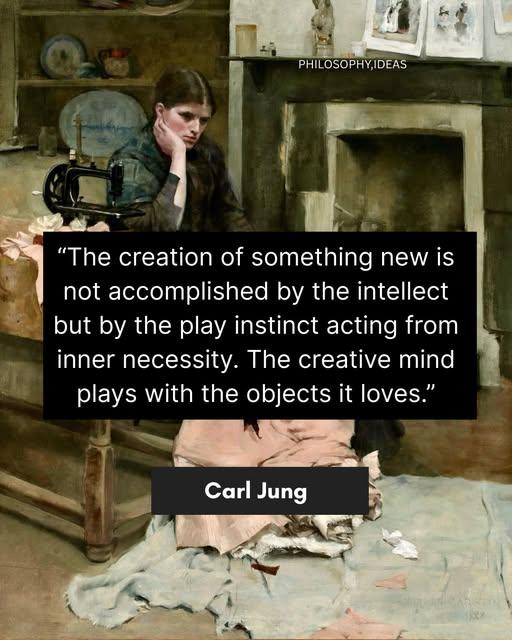
This is probably one of the biggest reasons why I write 🤔😊
Only through play could I come up with a black hole demi-god character named Richard, long for Dick 😂
@galacticwriters @writers @books @bookstodon
@writingbooks @keepwriting
@philosophy@lemmy.ml @philosophy@lemmy.world @psychology
#Thinking #Quote #Quotes
#Philosophy #Psyhology #Play
#Author #Authors #IndieAuthor #IndieBooks #AmWriting #Writerdons #Writers #Writer #Writing #WritingCommunity #Writinglife #WritersOfMastodon #Bookstodon
The most annoying thing about corporate surveillance to me is the arrogance of the prediction mechanisms.
These algorithms build a model of me based on my clicks from three years ago and then try to trap me in that loop forever. They show me music they think I'll like, and news they think I'll engage with, and videos they think will enrage me enough to keep me hooked to their platforms. They are actively trying to flatten my personality into something easy to monetize.
As most people I've seen say out loud, "Privacy as a concept is way beyond hiding secrets. A part of it also means preserving your capacity to change. To be surprised. To be inconsistent."
If I could tell every human one thing, it would be to actively refuse to be a predictable data point. Mess up their metrics. In whatever way you are …
The most annoying thing about corporate surveillance to me is the arrogance of the prediction mechanisms.
These algorithms build a model of me based on my clicks from three years ago and then try to trap me in that loop forever. They show me music they think I'll like, and news they think I'll engage with, and videos they think will enrage me enough to keep me hooked to their platforms. They are actively trying to flatten my personality into something easy to monetize.
As most people I've seen say out loud, "Privacy as a concept is way beyond hiding secrets. A part of it also means preserving your capacity to change. To be surprised. To be inconsistent."
If I could tell every human one thing, it would be to actively refuse to be a predictable data point. Mess up their metrics. In whatever way you are capable of.
#socialmedia #algorithmicbias #privacy #dataprivacy #quotes #foss #facebook #linkedin #llm #noai #enshittification #reading #books #baking #art #philosophy #adhd #depression #cybersecurity
If you haven’t had a chance, haven’t been there in awhile, or wasn’t even aware it existed, allow me to invite you to browse the new repository of my articles, essays, and diary entries, all free of charge. I encourage you to comment, like, leave a review, and sign up for email alerts (no spam) when new stories come out. Support human artists and the fight against AI Slop by taking five minutes.
Please share.
#Writing #Ideas #Philosophy #Art https://www.davidtoddmccarty.com/
Hi!
We're starting a project to teach philosophy in prison around these parts. Do you or someone you know have any experience with this? If so, please DM me or email me (you can find my email on my website)!
Have philosophers in your timeline? Please boost!
Hi!
We're starting a project to teach philosophy in prison around these parts. Do you or someone you know have any experience with this? If so, please DM me or email me (you can find my email on my website)!
Have philosophers in your timeline? Please boost!
Righteousness in action. Texas A&M #philosophy professor calling out the institution for its "mandatory censorship review," which goes against his first amendment rights to free speech.
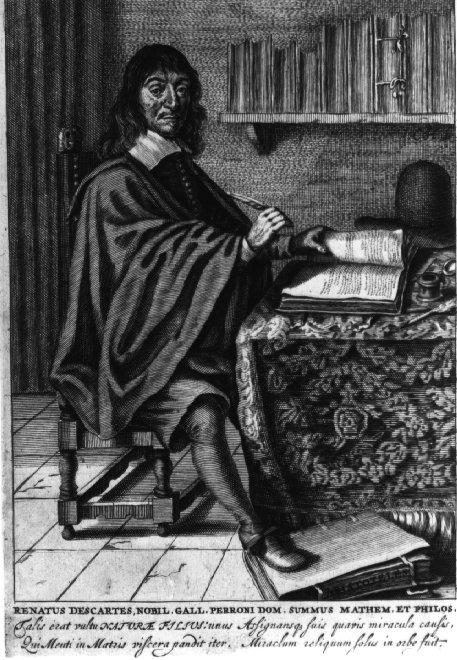
Why René Descartes Believed That Machines Will Never Be Able to Genuinely “Think”
According to René Descartes, no matter how advanced or sophisticated, machine intelligence remains fundamentally inferior to the complexity and depth of human intelligence.
by Scott Mclaughlan
https://www.thecollector.com/descartes-paradox-artificial-intelligence/
Descartes at PG:
https://www.gutenberg.org/ebooks/author/44
Slackware exists as a moral reference in the Linux ecosystem.
Not to be popular -- but to remind us what matters.
Transparency over abstraction.
Stability over novelty.
Responsibility over convenience.
This video explains why Slackware is loved even when not used daily:
transparent design, stable behavior, no silent changes -- and the honest trade-off of time for control.
https://yewtu.be/watch?v=R-gJ7aJJnqg
#Slackware #Linux #Unix #Philosophy
Slackware exists as a moral reference in the Linux ecosystem.
Not to be popular -- but to remind us what matters.
Transparency over abstraction.
Stability over novelty.
Responsibility over convenience.
This video explains why Slackware is loved even when not used daily:
transparent design, stable behavior, no silent changes -- and the honest trade-off of time for control.
https://yewtu.be/watch?v=R-gJ7aJJnqg
#Slackware #Linux #Unix #Philosophy