#arthistory

See tagged statuses in the local bookrastinating.com community

This week I've been mainly reading, No. 78.

Preparing for an & course I am (re)running as a retired visiting lecturer, I've been considering Amy Whitaker's Economics of Visual Art (2021) for students. Its a breezy, largely successful attempt to get the sociology of art & economics to intermesh, which balances some good exploration of economic issues with examples from the . Although (perhaps) a little to US in focus, it remains an instructive read.
@bookstodon

Whether you're skipping “Barbie” or are excited to see the film, it's worth remembering how artists have used the doll to dismantle the very ideas she represents.

https://hyperallergic.com/834650/the-complicated-legacy-of-barbie-in-art/ 

This week I've been mainly reading, No. 75.

Alicia Foster's Gwen John: Art & Life in London & Paris (2023) is a bit of highly readable (lightly ) revisionist that dismisses the passive story of the to replace it with a tale of a strong-willed seeking her particular place in the . Foster, engages with previous accounts & moves beyond to develop a really plausible account of Gwen John & her work.
Fully illustrated, this is a real treat!
@bookstodon

This week I've been mainly reading, No. 74.

Kristen Collins & Bryan Keene (eds), Balthazar: A Black African King in Medieval & Renaissance Art (2023) builds on a Getty Museum exhibition from 2020 & is an excellent entry point to the growing literature on the image of people across . Lavishly illustrated & with lots of well-referenced sections to guide further reading, at times its origins in exhibit labels is perhaps a little too obvious but a vital read anyway!
@bookstodon

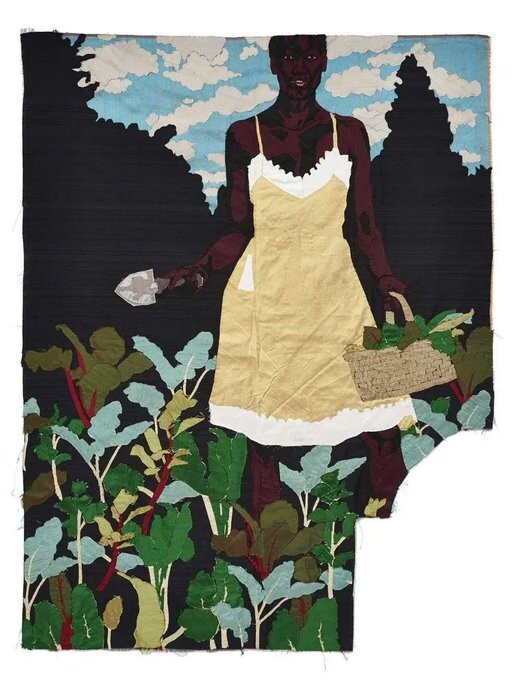
Billie Zangewa's Constant Gardener (2014) is a meditation on the incidence of death in communities - the graves are many & need attending. Its a subtly powerful image in mixed media which really moved me this morning (when it was circulated by Artists of Colour at the other place).


@artistsofcolour

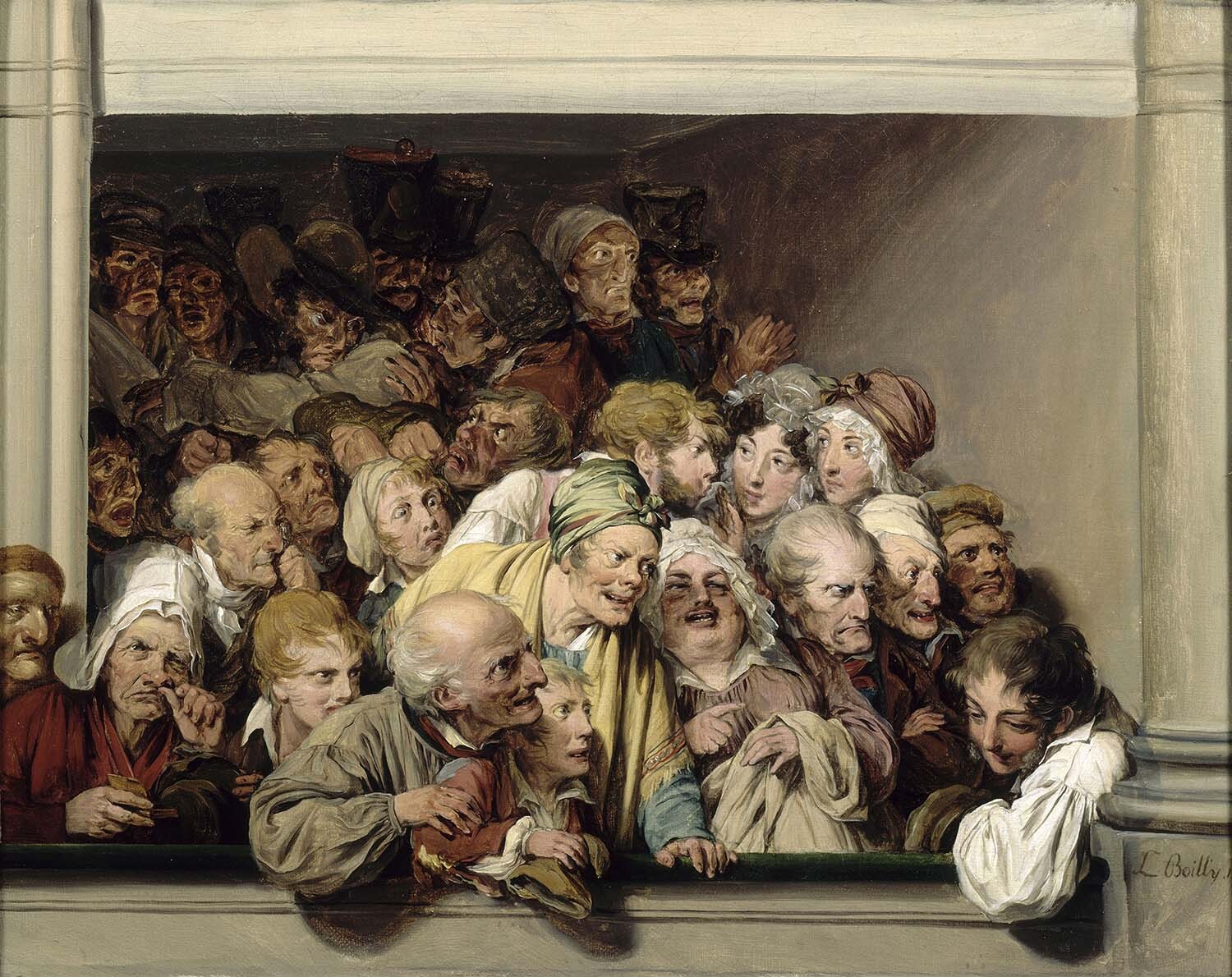
July 05 - the birthday of Louis-Léopold Boilly - French painter and draftsman. A gifted creator of popular portrait paintings, he also produced a vast number of genre paintings vividly documenting middle-class social life. His painting Un Trompe-l'œil introduced the term trompe-l'œil ("trick the eye"), applied to the technique that uses realistic imagery to create the optical illusion that the depicted objects exist in 3 dimensions.

https://stellar-art.pixels.com/featured/theater-box-the-day-of-the-free-performance-1800s-louis-leopold-boilly.html

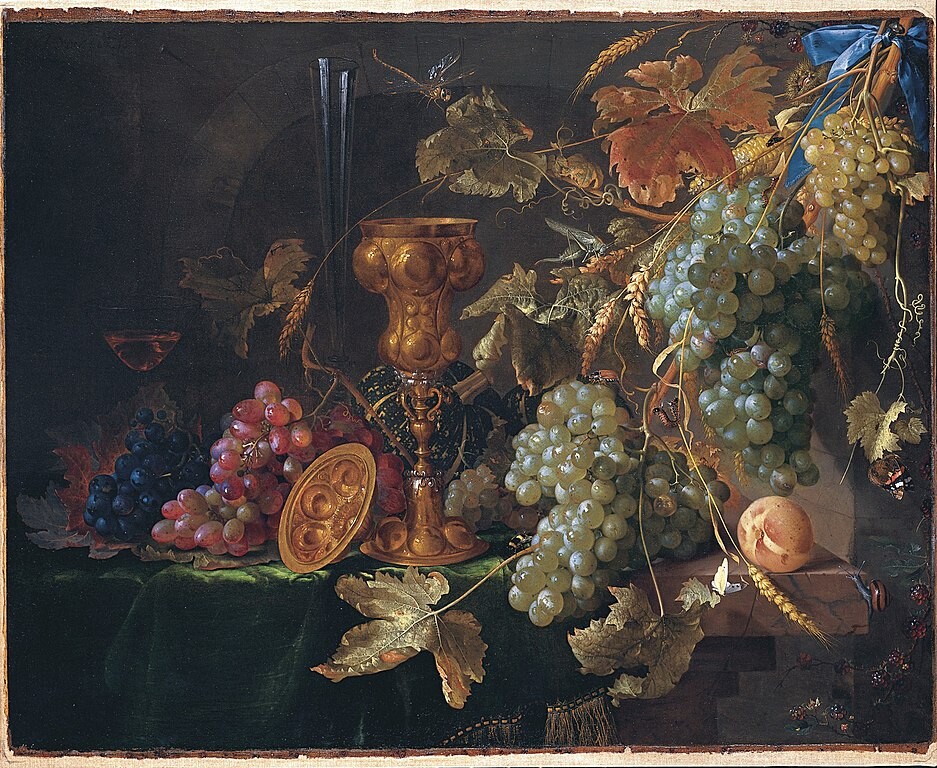
According to Pliny the Elder, the ancient Greek painter Zeuxis once painted a portrait of grapes that was so realistic it was said to have attracted birds. It's believed that this story is what inspired the popularity of grapes as a subject in later European art.

🎨 : Jan Davidsz. de Heem

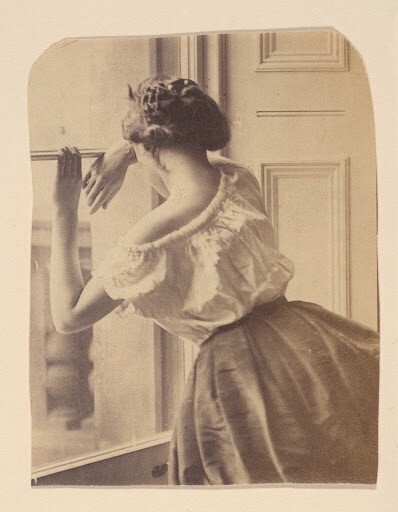
Clementina Maude, Viscountess Hawarden, née Clementina Elphinstone Fleeming, commonly known as Lady Clementina Hawarden, was a noted British amateur portrait photographer of the Victorian Era. She produced over 800 photographs mostly of her adolescent daughters.

Title: Photographic Study
Date created: Early 1860s
Physical Dimensions: Image: 3 1/4 × 2 9/16 in. (8.3 × 6.5 cm)
Type: Photograph
Medium: Albumen silver print from glass negative

This week I've mainly been reading, No.71. Rona Goffen's detailed (& at times dense) Renaissance Rivals: Michelangelo, Leonardo, Raphael, Titian (2002), redraws the of the early C16th as a series of rivalries that drove each of the named to new heights of achievement. That the would 'compete' while not implausible, is never really justified, but other than that this is a convincing & readable retelling of advances in & .
@bookstodon

This week I've been mainly reading, No.70. Suzanne Oberhardt sets ou in Frames within Frames: the Art Museum as Cultural Artifact (2001) to expand our view(s) of the . To the repository & institutional critique frames she adds the idea that art museums increasingly have a character defined by their place in popular culture. While offering some interesting insights, the pluralist structure sadly sacrifices a clear conclusive argument for only suggestive probes.

@bookstodon