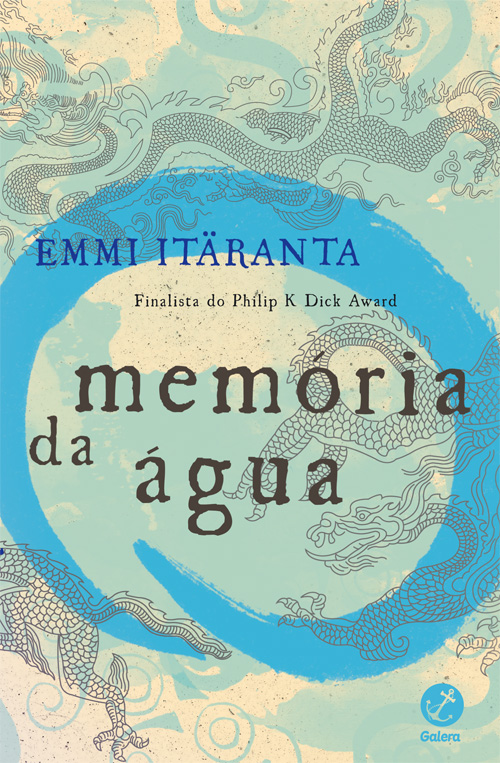
Num futuro distante, depois de muitas guerras, a Europa foi dominada pela China, e o bem mais precioso dos tempos antigos se tornou tão escasso quanto a liberdade. A água passou a ser controlada e distribuída em cotas pelos militares.
Noria é filha de um mestre do chá, uma profissão muito antiga que tem conhecimento sobre a localização das nascentes de água. Ela está sendo treinada para substituir o pai, e dentre todos os ensinamentos, ele revela à filha seu maior segredo: uma fonte natural escondida que fornece água para a família.
Desamparada em um mundo destruído, ela começa a questionar o significado de tamanho privilégio. Guardar esse segredo é negar ajuda ao restante de população, e ajudá-los é colocar em risco a própria vida: os militares punem severamente quem for descoberto desfrutando de alguma fonte ilegal de água.
Como o pai a ensinou, é preciso ter …
Num futuro distante, depois de muitas guerras, a Europa foi dominada pela China, e o bem mais precioso dos tempos antigos se tornou tão escasso quanto a liberdade. A água passou a ser controlada e distribuída em cotas pelos militares.
Noria é filha de um mestre do chá, uma profissão muito antiga que tem conhecimento sobre a localização das nascentes de água. Ela está sendo treinada para substituir o pai, e dentre todos os ensinamentos, ele revela à filha seu maior segredo: uma fonte natural escondida que fornece água para a família.
Desamparada em um mundo destruído, ela começa a questionar o significado de tamanho privilégio. Guardar esse segredo é negar ajuda ao restante de população, e ajudá-los é colocar em risco a própria vida: os militares punem severamente quem for descoberto desfrutando de alguma fonte ilegal de água.
Como o pai a ensinou, é preciso ter sabedoria para compreender o verdadeiro poder da água. Mas Noria também aprendeu que a sabedoria representa, acima de tudo, o poder de decidir seu próprio destino, a escolha entre lutar e se entregar.
Kiehtova, tunnelmaltaan surumielinen, mutta silti kaunis dystopia
4 stars
Kiehtova, tunnelmaltaan surumielinen, mutta silti kaunis dystopia, joka vei voimalla mukaansa ilmastokatastrofin jälkeiseen miehitettyyn Skandinaviaan ja karuun tunturin juuressa sijaitsevaan kylään. En ihmettele miksi moni on tämän kirjan nostanut esille yhtenä lukusuosituksenaan - nämä suositukset saivat minutkin tarttumaan kirjaan, kun se kirjaston valikoimissa tuli sattumalta vastaan.
Hienosti kirjoitettu kirja, josta tulee välillä mieleen Sinuhe egyptiläinen, välillä 1984. Kieli on kaunista. Mutta mietityttämään jäi, mikä kirjan sanoma itse asiassa oli. Ehkä se on lukijan itse keksittävä.
This was a quick read for me, started and finished on a six hour plane ride home. It's post-apocalyptic with a message - one reviewer called it "preachy", although I didn't find it so. I found it to be better than most post-apocalyptic books I've read, with an interesting sub-theme running through it.
Throughout the book, I was reminded of another Finnish author I've read, Hannu Rajaniemi, and his "Quantum Thief" novels. While those are post-human high-tech sci-fi novels, Rajaniemi makes the same assumptions about his readers - they're smart, and they can figure things out without having everything explained all the time. Itäranta will do exposition at times, but for the most part she assumes you are smart enough to figure out what's happening.
I was also strongly reminded of Stephen Vincent Benet's "By the Waters of Babylon", where the post-apocalyptic world is very different from ours, while the …
This was a quick read for me, started and finished on a six hour plane ride home. It's post-apocalyptic with a message - one reviewer called it "preachy", although I didn't find it so. I found it to be better than most post-apocalyptic books I've read, with an interesting sub-theme running through it.
Throughout the book, I was reminded of another Finnish author I've read, Hannu Rajaniemi, and his "Quantum Thief" novels. While those are post-human high-tech sci-fi novels, Rajaniemi makes the same assumptions about his readers - they're smart, and they can figure things out without having everything explained all the time. Itäranta will do exposition at times, but for the most part she assumes you are smart enough to figure out what's happening.
I was also strongly reminded of Stephen Vincent Benet's "By the Waters of Babylon", where the post-apocalyptic world is very different from ours, while the current world is largely unknown to the narrator and is partially discovered through the plot. I had a vague feeling of dread while reading both stories, as if something horrible was going to happen - I chalk that up to my own bias when reading post-apocalytic stories.
This is well worth the time to read, IMO. I didn't find it preachy, but there is a message there, so your mileage may vary based on your own reaction to the message. I think there's a lot more world to be discovered here as well, although I don't expect Itäranta to return to it, any more than Benet returned to his Babylon. It's just as well - both worlds do well as single stories.