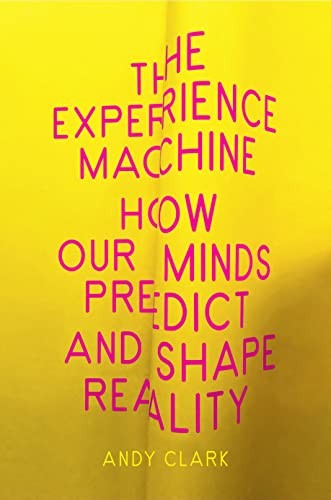

Ben Waber reviewed Experience Machine by Andy Clark
A Compelling Book with some Core Failures
4 stars
Most of this book is the exploration of a compelling thesis - that the mind is fundamentally geared towards prediction and reducing prediction error. When confined to more instantaneous, anatomically grounded phenomena this is well supported by the research discussed here, however it falls apart in other contexts that Clark avoids (e.g. imagination, planning). Beyond that, he conflates cognitive processes with psychological phenomena, which while admittedly a spectrum leads his section on "extended minds" to become nearly meaningless. If everything is neuroscience, then nothing is. The earlier chapters, however, mostly make up for these failings if you read while taking those issues into account. Highly recommend
Most of this book is the exploration of a compelling thesis - that the mind is fundamentally geared towards prediction and reducing prediction error. When confined to more instantaneous, anatomically grounded phenomena this is well supported by the research discussed here, however it falls apart in other contexts that Clark avoids (e.g. imagination, planning). Beyond that, he conflates cognitive processes with psychological phenomena, which while admittedly a spectrum leads his section on "extended minds" to become nearly meaningless. If everything is neuroscience, then nothing is. The earlier chapters, however, mostly make up for these failings if you read while taking those issues into account. Highly recommend