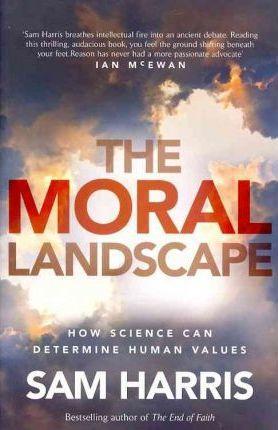

Vincent Tijms reviewed The Moral Landscape by Sam Harris
Review of 'The Moral Landscape' on 'Goodreads'
2 stars
There isn't much of an argument found in this book. That's not to say that Harris is demonstrably wrong or uninteresting, it's just that the claim that there's something to be known about ethics is a weak proposition, that few will debate. The truly interesting parts, such as the defense of utilitarianism as a meta-ethical position, are wholly skipped by Harris. There's a lot to say on the problems of this book, but I will do so elsewhere. My verdict is that it's conceptually naive and, surprisingly enough, also primitive with regards to the interpretation of neuroimaging findings.
There isn't much of an argument found in this book. That's not to say that Harris is demonstrably wrong or uninteresting, it's just that the claim that there's something to be known about ethics is a weak proposition, that few will debate. The truly interesting parts, such as the defense of utilitarianism as a meta-ethical position, are wholly skipped by Harris. There's a lot to say on the problems of this book, but I will do so elsewhere. My verdict is that it's conceptually naive and, surprisingly enough, also primitive with regards to the interpretation of neuroimaging findings.